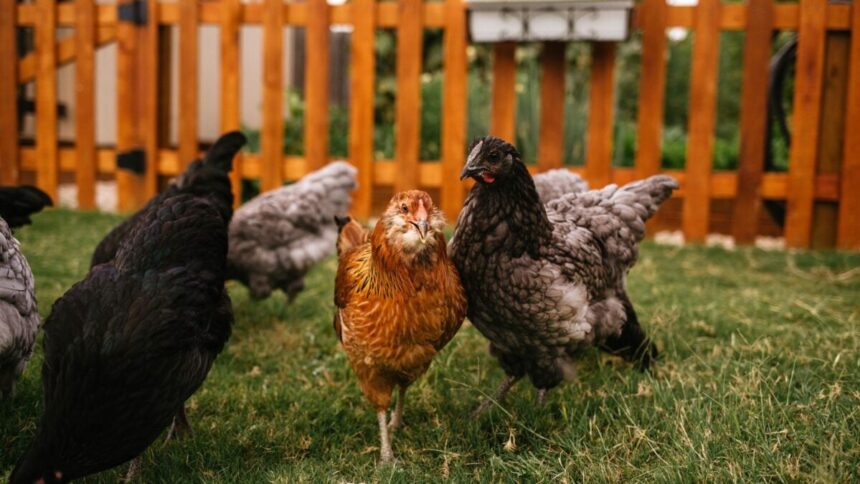
Backyard chicken lovers beware: an outbreak of drug-resistant Salmonella bacteria linked to these birds is spreading across the country.
Officials at the Centers for Disease Control and Prevention first reported on the outbreak late last week. There have been over 30 reported cases in multiple states, along with several hospitalizations. In some of the cases, the bacteria have also shown resistance to more than one antibiotic.
“You can get sick from touching your backyard poultry or anything in their environment and then touching your mouth or food and swallowing Salmonella germs,” the CDC noted in its advisory to the public.
Backyard troubles
According to the CDC, the first known cases of this outbreak emerged in late February.
As of April 23, there have been 34 reported illnesses in 13 states. Of the 27 cases with available information, 13 people have been hospitalized, though no deaths as of yet. Like many outbreaks of foodborne disease, however, the true number of cases is likely substantially higher, since many sick people will never seek medical attention.
Birds and other animals like turtles routinely carry Salmonella bacteria, usually without becoming sick. So Salmonella outbreaks linked to backyard chickens aren’t too uncommon an occurrence. This particular one is a bit more concerning than usual, though.
In all the patient samples so far, the bacteria have shown resistance to fosfomycin, an antibiotic often used to treat cases already resistant to other drugs. In samples from eight people, the bacteria have also appeared resistant to one or more of these antibiotics: chloramphenicol, streptomycin, sulfisoxazole, and tetracycline.
Most foodborne cases of Salmonella will clear up in a week’s time without the need for antibiotics, but these drugs are still vital for treating or preventing severe, life-threatening infections in high-risk groups, such as the immunocompromised. So this outbreak is yet another reminder that our most valuable weapons against bacteria like Salmonella are steadily losing their potency.
What to do
The CDC is advising backyard poultry owners to be safe around these birds.
That includes washing your hands with warm soap and water after handling the animals, their eggs, or any equipment that touches them; not bringing your chickens indoors, and wearing a dedicated pair of shoes outdoors while taking care of them. It also means, tempting as it might be, to not ever kiss your chickens or snuggle close to your face and mouth.
Read the full article here