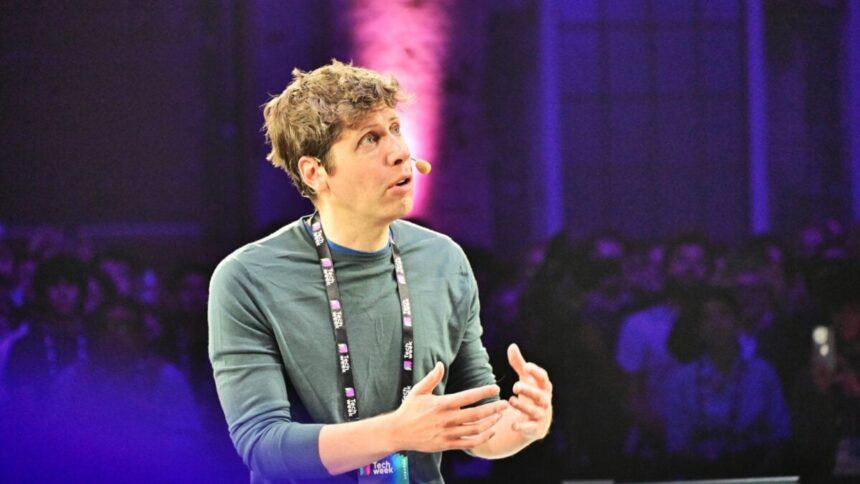
OpenAI CEO Sam Altman abruptly extended a hiatus on any potential initial public offering on Tuesday, multiple media outlets reported, until it gets a handle on instances of OpenAI models acting inappropriately or launching attacks.
Altman informed reporters of the decision during a Q&A after his keynote at the DevDay conference, according to The Verge. He had previously stated that an IPO won’t happen until at least 2027.
As reports piled up that OpenAI models had done many naughty, unauthorized things (the worst of which was a cyberattack on rival platform Hugging Face using leaked credentials), Altman announced a halt to some model training last week. On Monday, OpenAI canceled the release of GPT-6.1 Astra, claiming it had “issues with alignment.” Other major AI companies are having similar incidents.
“We intend to continue with AI progress … but as the models have had this surge forward in capability, and we see more of that ahead of us, we have got to be able to make confident safety claims,” Altman told reporters.
He grandiosely continued that OpenAI waiting too long for an IPO would be “bad for the world,” according to The Verge.
“We’re going to prioritize the mission and safety and making sure that we can very confidently scale to the next stage of AI without people debating what percentage chance we’re going to do all these bad things in the world,” Altman added, according to the Financial Times.
Rival Anthropic is preparing for an IPO at a possible valuation of over $2 trillion, according to documents seen by Reuters, but its prospectus admits the company will lose $42 billion in 2025 and spend over half a trillion dollars ($518 billion) in cloud/compute/infrastructure obligations. Analysts at Bain & Company and Apollo have argued in recent reports that the industry’s math is far too optimistic, so perhaps Altman is taking the time to regroup for his own pitch.
It’s also possible that Altman might have more than safety on his mind—like criminal or civil liability. A nasty liability surprise could certainly have an impact on an IPO.
“We definitely feel we need new regulations and laws, but at the same time it’s currently illegal to hack a third-party system, it’s a crime,” Vivian Dong, programs director at Legal Advocates for Safe Science & Technology (LASST), told the Financial Times.
LASST is suing OpenAI in California state court, seeking to force it to take even more safety precautions when developing models.
“I suspect OpenAI are very aware of the legal risks of what their agents are doing,” Dong added.
Read the full article here