
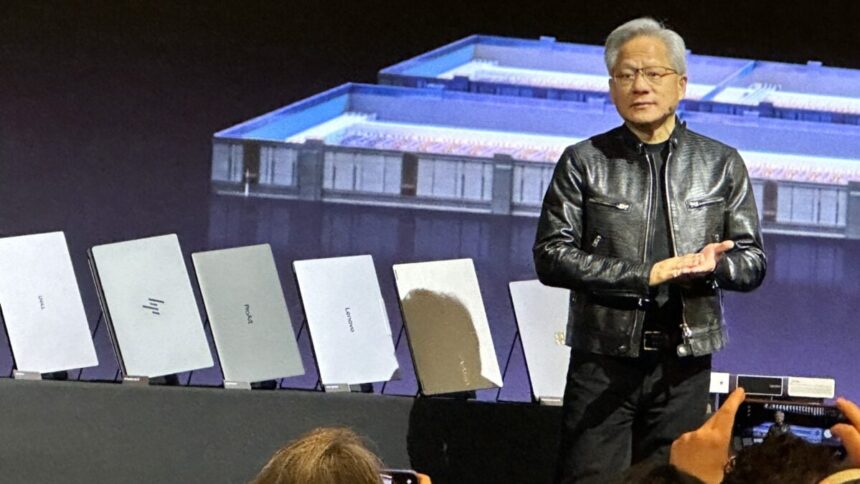
Two years ago, Qualcomm and Microsoft stood onstage and announced that the next generation of PCs, called Copilot+, would change everything about personal computing. It didn’t.
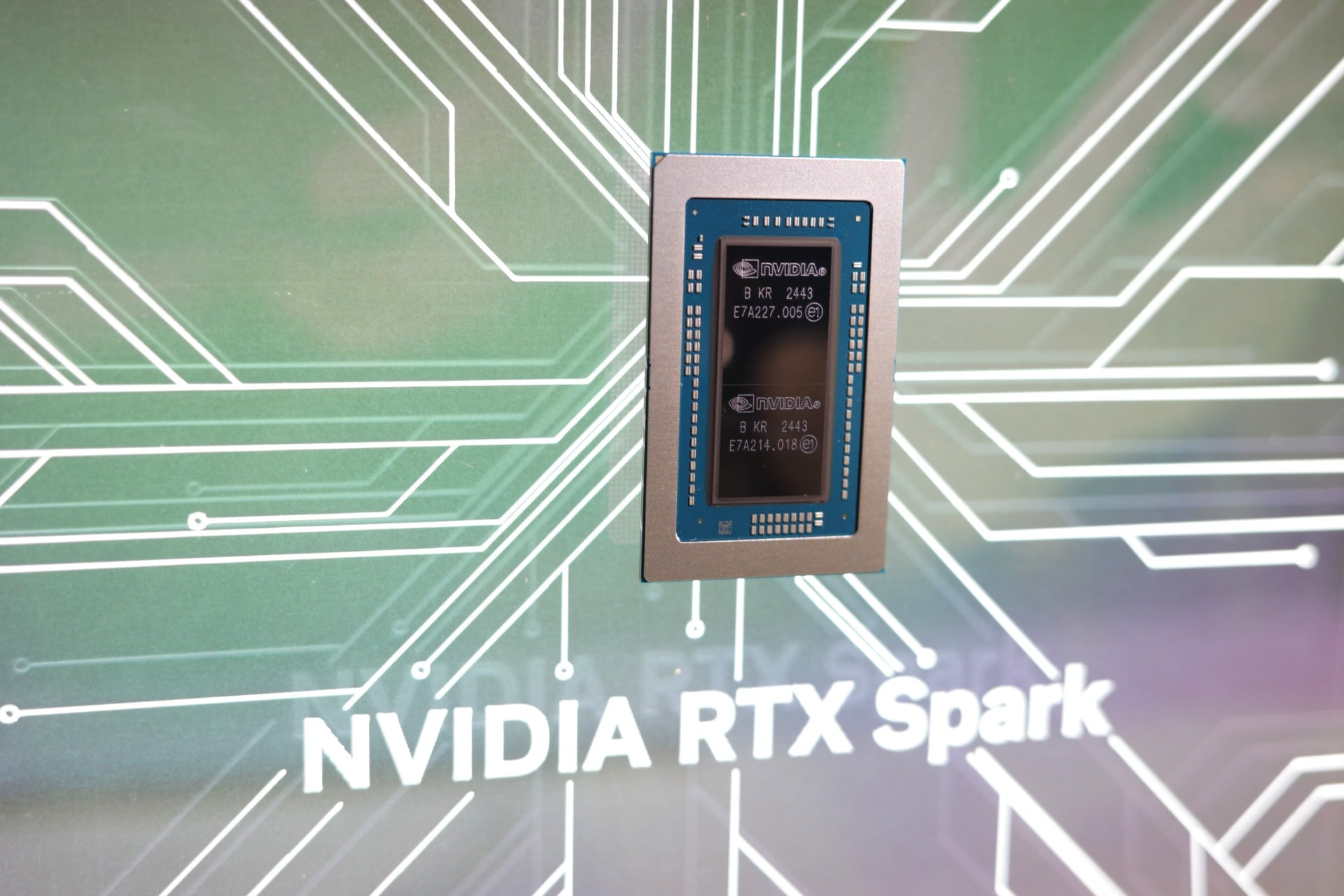
Fast-forward to 2026. Nvidia and Microsoft have now announced a similar line of ARM-based RTX Spark PCs in another attempt to push the agentic lifestyle. You’ll once again be forced to reckon with it, with or without these expensive laptops in tow.
Consider the following: for years, Qualcomm has pushed and pushed for software compatibility across most major apps. It worked with Microsoft to enhance the emulation of the standard Intel and AMD-owned x86 architecture. Now, Nvidia is taking all the credit.
Of course, Qualcomm is trying to spin the narrative. In a Q&A with reporters, Qualcomm’s SVP of compute and gaming, Kedar Kondap, bore the brunt of numerous questions about RTX Spark. He said the new PCs were “a good endorsement of the fact that there is an ecosystem that’s growing outside of x86… We led the way in driving that ecosystem, and I think this is positive tailwinds.” Kondap pushed back when I asked about Nvidia CEO Jensen Huang’s proclamations that RTX Spark was the agent-ready ARM PC, saying, “The last I tracked with my team, we were aware of 50 claws that were available… and a lot of these claws run very effectively on Snapdragon.”
But the fact remains that Snapdragon doesn’t have an ultra-premium offering or the GPU capabilities that get people excited. RTX Spark systems may actually be good for gaming—something Qualcomm’s never achieved.
Enter Microsoft’s new Surface Ultra. This expensive laptop is the culmination of a long journey for Microsoft. You may remember Windows’ first disastrous attempt to bring ARM to PCs in 2012. Work has been ongoing since then. Snapdragon X’s 2024 debut was preceded by nearly four years of grinding to force Windows and mainstream app compatibility. Brett Ostrum, Microsoft’s VP for Surface devices, told Gizmodo in an interview that Microsoft had been working alongside Nvidia for nearly two years on the project, previously dubbed N1X, that is now RTX Spark.
Windows on ARM arrived at the same time as the Copilot+ moniker for PCs. An on-chip neural processing unit (NPU) was supposed to push AI features exclusive to these new systems. That didn’t actually amount to useful tools for folks who needed a new device. In fact, pushing AI on Windows forced manufacturers to add more RAM to laptops, which backfired once the race for AI datacenters sent RAM prices through the roof.
But there was something missing with Copilot+, per Microsoft. Ostrum told Gizmodo that “the biggest gap we saw with Copilot+ PCs was people wanted performant, thin, light, and good-battery-life devices.” On the other side of the PC market, consumers had to accept poor longevity in exchange for a gaming PC capable of handling heavy-duty tasks, including running on-device AI agents like OpenClaw, according to the Microsoft exec.
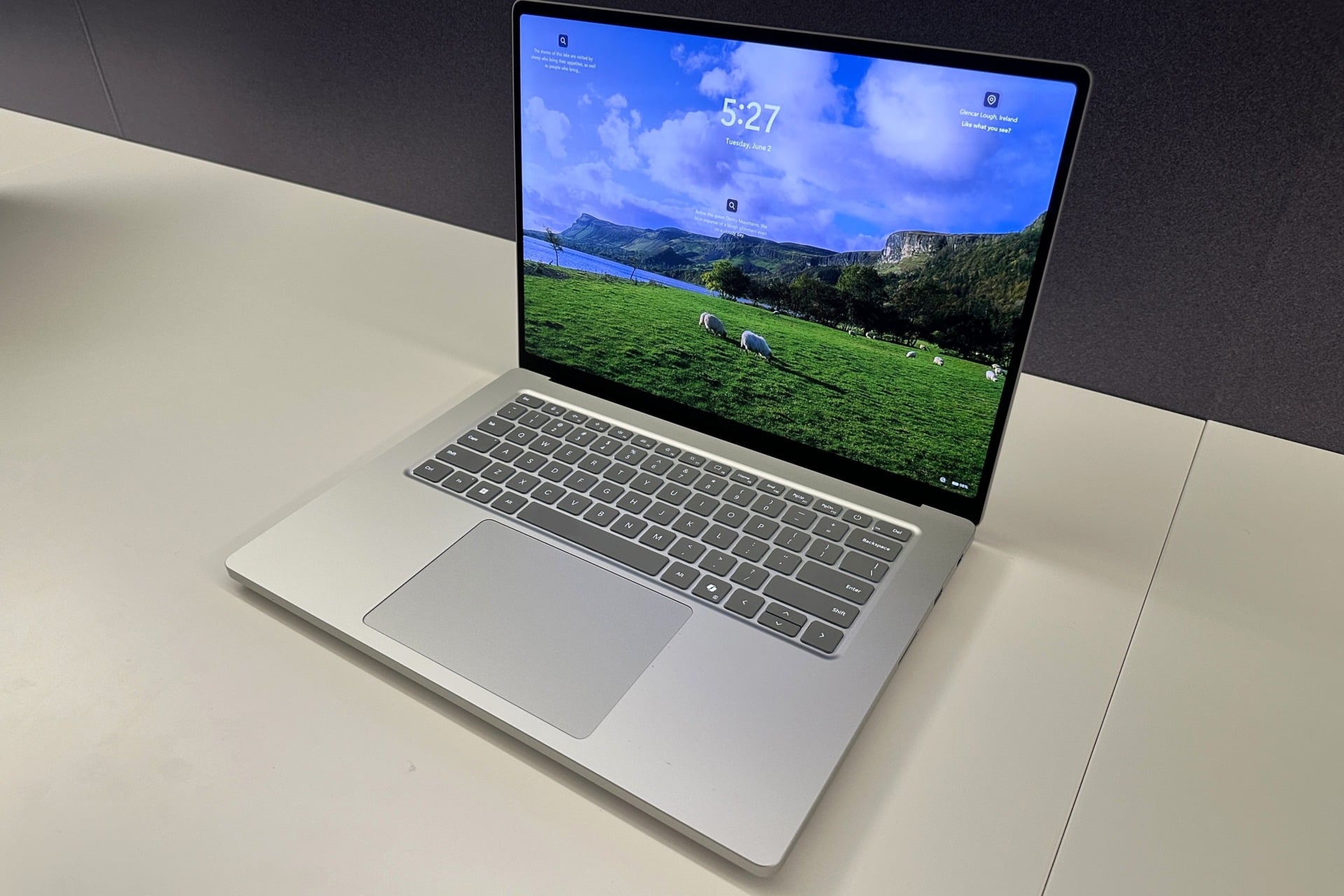
Of all the RTX Spark PCs I’ve briefly fondled, the Microsoft Surface Ultra stood out the most. Sure, an Asus ProArt P16 promises a 4K OLED display, but the Surface sports a novel 15-inch mini LED screen that emphasizes brightness. Everything about its shell is enticing, from the combination of an air vent and a side-firing speaker to the emphasis on repairability, with screws accessible under the foot caps. It also packs a mysterious USB-C-sized port I suspect may be a new kind of magnetic Surface Connect port.
Ostrum said the new Surface Laptop Ultra PCs were still branded with Copilot+, but were aimed at “different customer segmentation, different performance benchmarks, and different use patterns.” Boiled down, it’s about power and efficiency. There’s a segment of users who need a MacBook Pro with M5 Max because it will eat benchmarks alive and still have enough juice to last the day. A growing base of consumers also buys up Mac mini stock just to run agents on OpenClaw.
That AI-enthusiast coterie, who’s willing to pay up for the privilege, is exactly the kind of demographic Nvidia is targeting with RTX Spark. After all, Morgan Stanley reportedly suggested that RTX Spark PCs could start at $2,900. Based on what I know about laptops with similarly capable AMD graphics cards, I suspect they’ll be more than that.
At Microsoft Build on Tuesday, the tech giant showed off Project Solara, an Android-based operating system built for agents that runs on devices separate from PCs. Microsoft also now has its own OpenClaw-based AI, called Scout, and a big ol’ badge with a camera that is supposed to connect to your agents through the cloud.
I went through multiple demos of agentic workflows on upcoming RTX Spark laptops and, yes, they seem promising for the kinds of software tinkerers who want to speedrun their work. But the fun part of PCs, to me, is also the “personal” aspect. You get to decide how and where you use your device and where you throw your computing power around. You may not have a choice about the future agentification of Windows.
In a separate forum with journalists and analysts, CEO Jensen Huang said, “Humans rent cores… but agents, they want to use the CPU to get the job done.” That statement implies two things. One, Nvidia imagines we’ll leave our PCs running all day to act as at-home assistants. Second, Huang expects you to give up your processing performance to AI because it needs it more than you do.
These PCs are as powerful as they are because they need to run agents locally. You need dedicated hardware for this task, something a lower-end PC probably can’t handle. That said, for both developers and consumers, ARM PCs may end up cheaper than x86-based devices, depending on the scale and performance you need. Ostrum said that the Surface Laptop Ultra can scale much the same way Apple does with its Mac stack, with the same shell housing a less-powerful chip at lower price points. Nvidia’s Huang confirmed that the company was working on next-gen N2X and N3X chips. We still don’t have a lower-end, non-“X” chip, but Huang was adamant that the company will keep supporting RTX Spark as long as it has its decade-old Nvidia Shield TV boxes.
In summary, we’re likely still years away from seeing an affordable laptop that handles on-device agents. That said, the conversation about the future of laptops no longer lingers on ARM and Windows compatibility. Microsoft is now brushing aside issues with legacy drivers on ARM as the territory of specific commercial users with old printers. This time, with the promise of software support, we may escape another Copilot+ fiasco. But we may also be about to pop open an entirely new can of worms: a fight against AI for control of our own PCs.
Read the full article here