SpaceX officially filed for its initial public offering on Wednesday, and its lengthy prospectus revealed a significant investment in gas turbines to power the company’s AI data centers. This disclosure comes amid ongoing litigation over its use of the air-polluting generators.
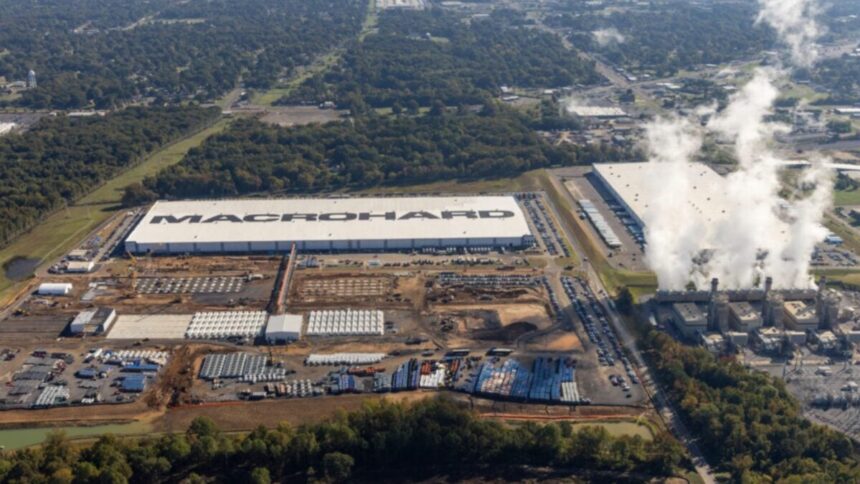
Elon Musk’s xAI, which merged with SpaceX in February, was sued by the NAACP in April. The organization, represented by the Southern Environmental Law Center and Earthjustice, alleges that xAI and its subsidiary, MZX Tech, illegally operated 27 natural gas turbines without an air permit at its data center power plant in Southaven, Mississippi. But that hasn’t discouraged xAI from installing more turbines, according to reports published last week. Apparently, the company added 19 of them to its fleet between late March and early May.
Now, SpaceX’s S-1 filing shows that the company is digging its heels in further. It states that on April 30, SpaceX entered a purchase agreement with an unspecified company to purchase approximately $2 billion worth of mobile gas turbines and related equipment. The document also indicates that during a period of three months ending on March 31, SpaceX executed purchase agreements with an unspecified company to acquire an additional $925 million worth of turbines through 2029.
SpaceX not backing down
Gas turbines are internal combustion engines that burn natural gas to spin a turbine and generate energy. Tech companies are increasingly turning to them to support the enormous, around-the-clock energy demands of their data centers. While they are more efficient than conventional coal-fired power plants, they still burn fossil fuels, emitting carbon and hazardous air pollutants in the process.
The Clean Air Act, therefore, requires companies to obtain an air permit prior to installing and operating gas turbines. In March, xAI received permission to build a 41-turbine power plant in Southaven, Mississippi, to power its Colossus 1 and Colossus 2 data centers, but the NAACP lawsuit alleges that the company operated 27 turbines without a permit between August and December 2025.
Whether the company actually violated the Clean Air Act depends on whether those gas turbines legally qualify as “temporary-mobile” installations. If so, they would fall under an exemption that allows them to operate without an air permit for up to a year. The NAACP suit claims that is not the case and that air pollution generated by the turbines threatens the health of “tens of thousands of people” who live in their vicinity.
“A much larger share of this population is Black than that of the country’s population as a whole,” the lawsuit states.
The SpaceX IPO filing discloses the lawsuit and states that “the company intends to defend itself vigorously in these actions.” As of March 31, SpaceX had accrued $399 million in litigation losses, according to the document.
Clearly, the company is not backing down. Whether the court will rule in its favor or the NAACP’s remains to be seen, but the outcome of this lawsuit could have major implications for regulatory oversight of data center energy infrastructure.
Read the full article here