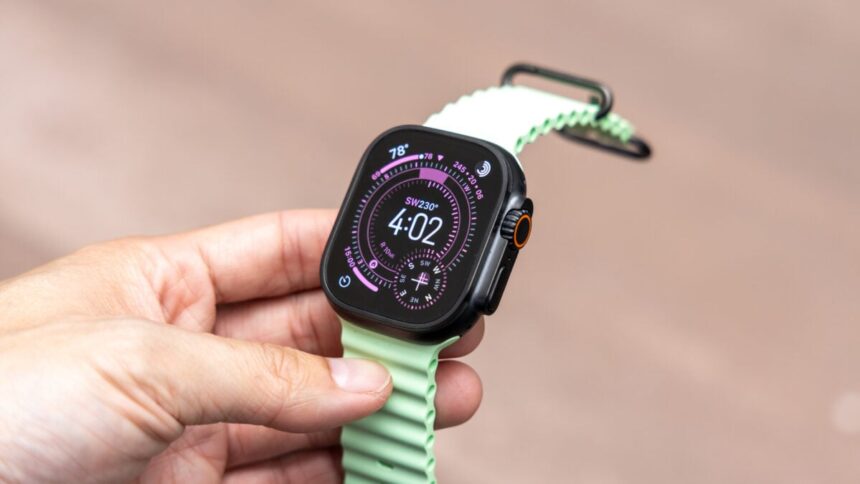
Wearables like the Apple Watch Series 11 or Oura Ring 5 are not only increasingly common but also increasingly good at collecting data about your health. According to a recent survey from the American Medical Association (AMA), though, that hasn’t translated to their widespread use by doctors. Around 77% of U.S. doctors surveyed see the “clinical advantage” of using wearable data, but only 6% have actually integrated wearables into their workflow, and that’s the best-case scenario.
“We have all this data that’s available, but it’s actually not actionable because we don’t have a way to get it into clinical workflow,” AMA CEO Dr. John Whyte said in an interview with Healthcare Dive. Based on the 2,222 physicians the AMA spoke to across the United States, Canada, France, Germany, Spain, and the United Kingdom, the reasons why vary. In some cases, while wearable makers tend to make it simple to send your health data to your provider, integrating that data into electronic health records might not always be straightforward. As Whyte notes, since many of the health features of wearables haven’t received extensive clinical testing, doctors also have to figure out if they can trust the data they’re looking at.
Most smartwatch health features are meant to be screening tools rather than diagnostic ones. It was a big deal when the Apple Watch Series 4 came with an (eventually) FDA-cleared ECG feature, but it doesn’t mean the smartwatch could or should replace a traditional ECG monitor. Apple and other companies have pursued multiple different pathways to authorization or clearance, and not all are as demanding as what’s expected of actual medical devices.
Setting aside access to wearable data or its efficacy, the AMA’s survey also found that doctors without a clear way to bill insurance for their time spent examining wearable data were less likely to do it. In the U.S. in particular, “CPT codes for remote patient monitoring require FDA-cleared devices used under a clinician-directed plan of care,” the AMA writes, and they don’t cover consumer wearables, even if they have FDA-cleared features. Payment isn’t the only factor determining whether physicians use wearable data, but the survey did find that in countries with clearer pathways to reimbursement like Germany, wearables were incorporated more often.
With Samsung, Google, and Apple all expected to introduce new smartwatches in the next two months, even more capable personal health devices could be on the horizon. Just don’t expect them to revolutionize your doctor’s approach without some major, systemic changes first.
Read the full article here