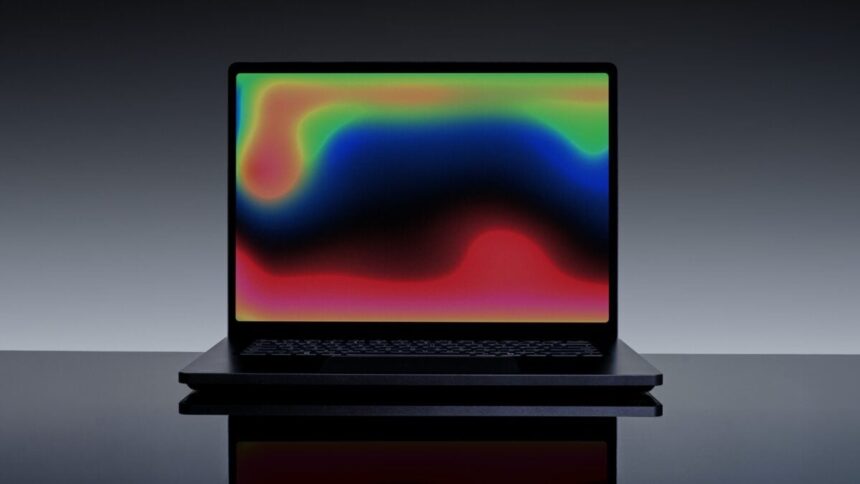
Billed as the “most powerful Surface Laptop ever built,” the specs for the Surface Laptop Ultra, launching this fall, should arouse any tech geek. Microsoft seems to be cramming in as much as possible, with complete disregard for thinness (thank god). This sucker is all about performance.
At its heart is Nvidia’s new RTX Spark, announced at Computex 2026, which combines an ARM-based CPU with 20 cores, a Blackwell-based GPU with 6,144 CUDA cores, and up to 128GB of unified memory onto a single chipset. That’s nearly RTX 5070-level GPU graphics in a clamshell laptop design that weighs about 4.5 pounds.
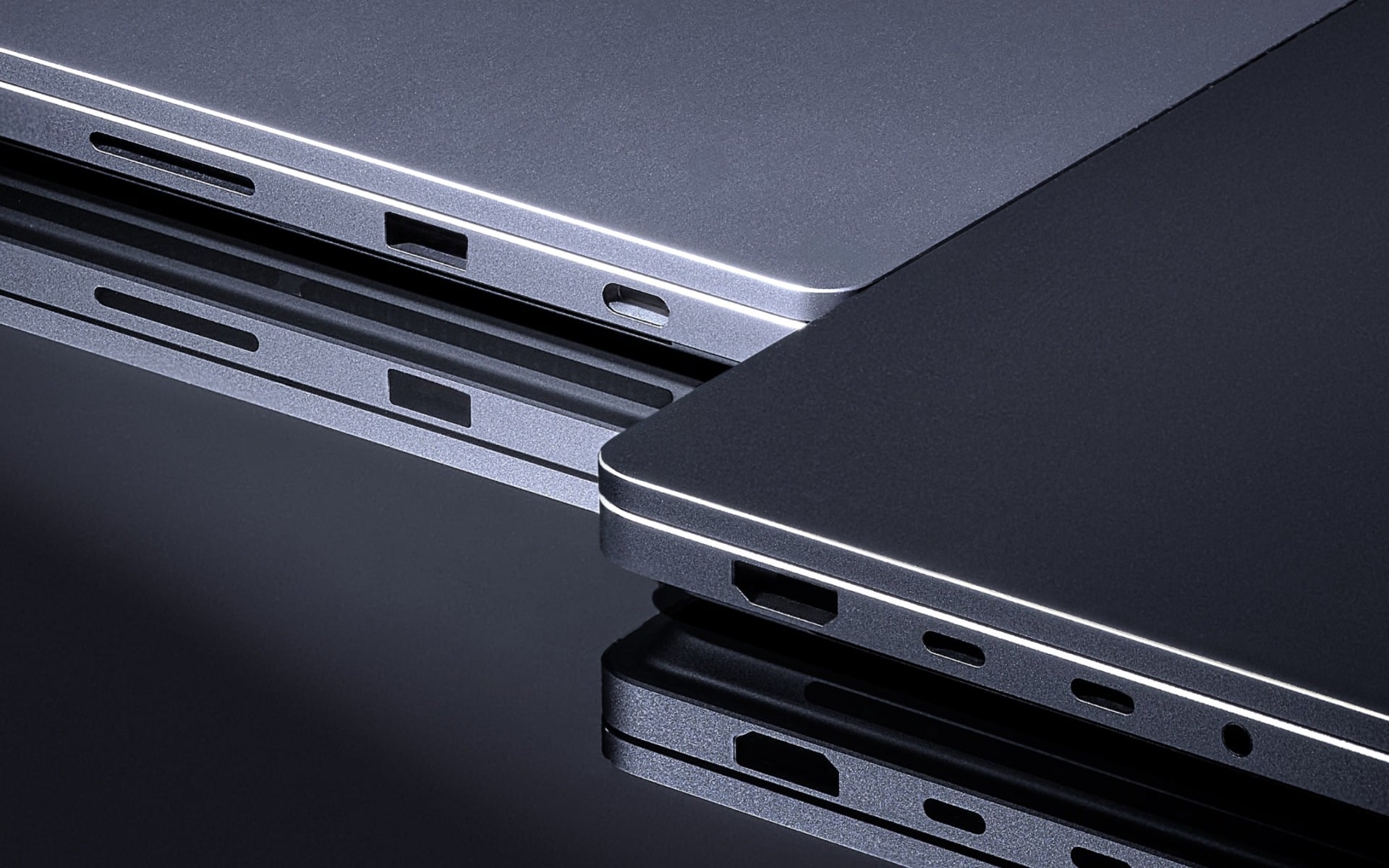
The Surface Laptop Ultra’s hardware specs are impressive, too. It has a 15-inch mini LED touchscreen that’s capable of up to 2,000 nits of peak HDR brightness, tons of ports (HDMI, three USB-C, USB-A, and a headphone jack), and the largest haptic trackpad ever included on a Surface laptop. Microsoft also touts “all-day battery life” and quiet performance.
With all that performance, Microsoft is clearly taking aim at Apple’s M5 Max MacBook Pros. The company says the beefy Windows 11 laptop is designed for “makers”—think creators, developers, and anyone seriously messing with AI applications. The latter group of users is especially important, as the RTX Spark is designed to run 120B parameter models locally.
Interestingly, Microsoft doesn’t provide any benchmarks on how well the Surface Laptop Ultra performs for gaming. I’m sure PC gamers are dying to know how well ray tracing and path tracing work in a demanding title like Cyberpunk 2077.
The Surface Laptop Ultra will be available in “Platinum” (silver) and “Nightfall” (black). While Microsoft hasn’t announced pricing, this laptop—with this kind of performance and specs—won’t come cheap. For comparison’s sake, a 16-inch M5 Max MacBook Pro with 128GB of unified memory and the mininum 2TB SSD configuration costs $5,400. Pricing could be even higher than that if the RAM apocalypse, which has caused price hikes for virtually all devices with RAM and SSDs, including Surface devices, doesn’t cool down.
Read the full article here