

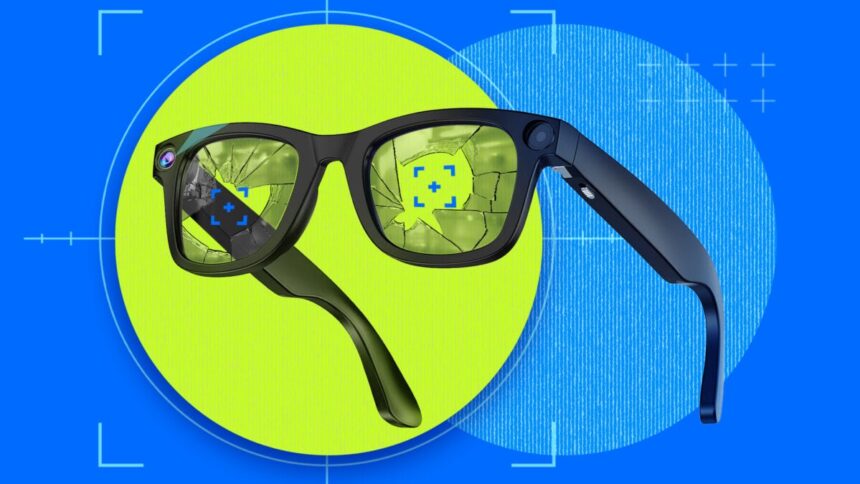
Smart glasses have come a long way since the days of Google Glass. For one, they actually exist in a way that has been commercially viable, thanks mostly to Meta. With the help of Ray-Ban branding, Meta has sold millions of smart glasses, and, if recent reporting is any indication, it already has several more pairs on the way this year alone.
Its initial success hasn’t gone unnoticed, either. Ray-Ban Meta smart glasses have pulled Google, Samsung, and potentially even Apple into the mix, with the former two companies planning to release their own pair this year. And that’s not even counting the various other upstarts that have managed to carve out a niche already.
The interest in face-worn wearables is palpable, and in a lot of ways, smart glasses, for all of their obvious flaws, feel concrete. But as concrete as the interest is, the category also feels as nebulous as ever, and Meta, for all its popularity, is a perfect example.
Take apps, for instance. Meta has made some strides since the launch of the Meta Ray-Ban Display last year to try to add more functionality, but for the most part, it still feels like there’s not a ton to do once they’re on your face. You can get notifications, you can get directions, and you can swipe through Instagram Reels, and sure, it’s novel to be doing those things on a small screen on your face, but they don’t necessarily add up to a game-changing experience.
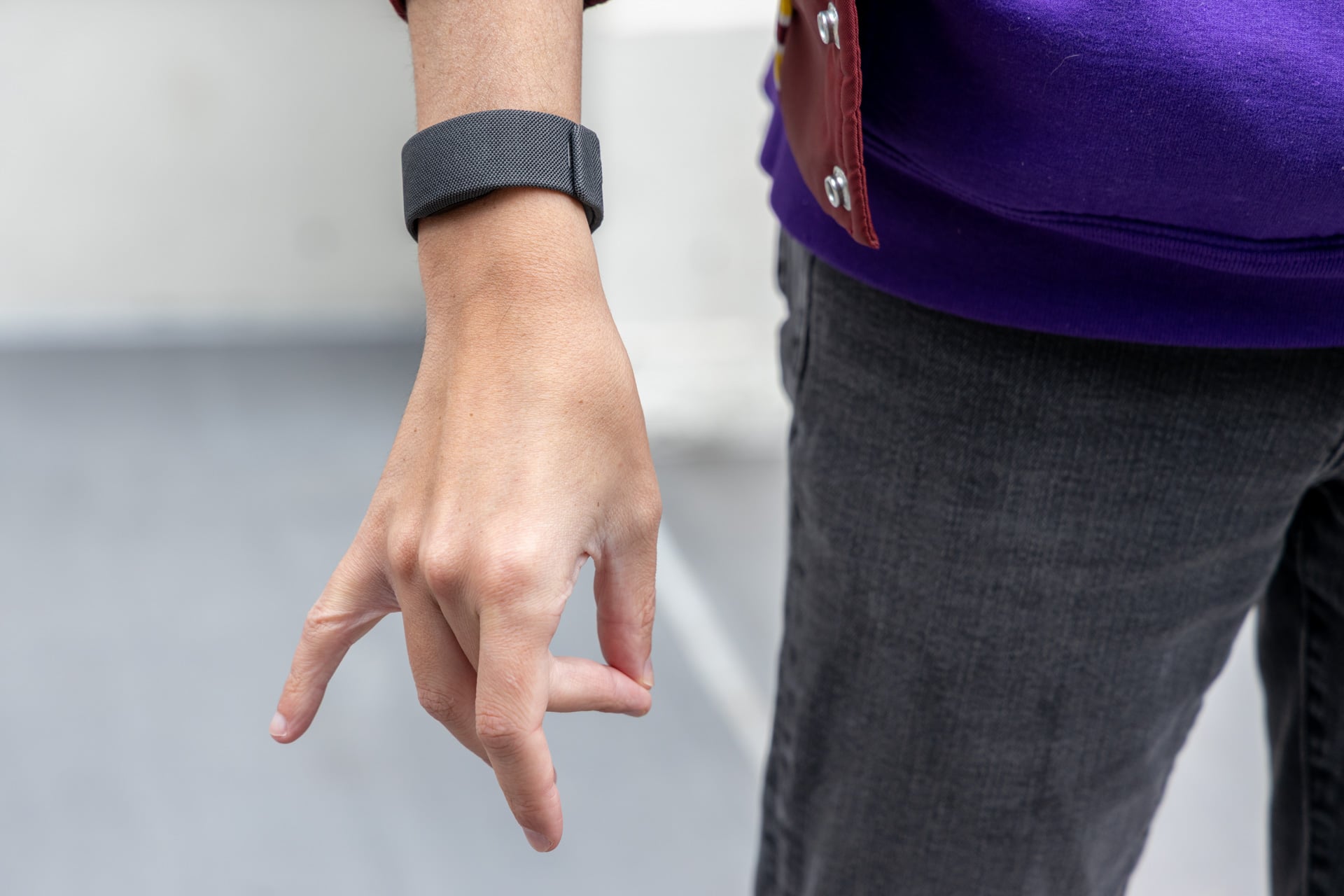
Meta clearly knows that those “core” apps aren’t enough, which is why it recently opened up its developer program for the Meta Ray-Ban Display so that people can make apps that use both the built-in screen as well as the included Neural Band, the wristband you use to control the UI inside the smart glasses.
While the apps being built are in early stages and aren’t being made generally available to people who own the smart glasses yet, initial results are… something? There are people making speedometers, apps that control your smart home, and Doom (because, of course). Someone even made the bold choice of making an app that can unlock your car. Again, they’re interesting ideas, but I’m not sure that any of them will have people rushing out to spend $800 on a pair of smart glasses.
Meta’s non-display smart glasses face similar issues. While I like the fact that you can use them as an open-ear audio device—they’re great for calling and listening to music while you’re riding a bike or exercising—some of the banner features of Meta’s “AI glasses” feel less-than-useful, and one of them is the AI itself.
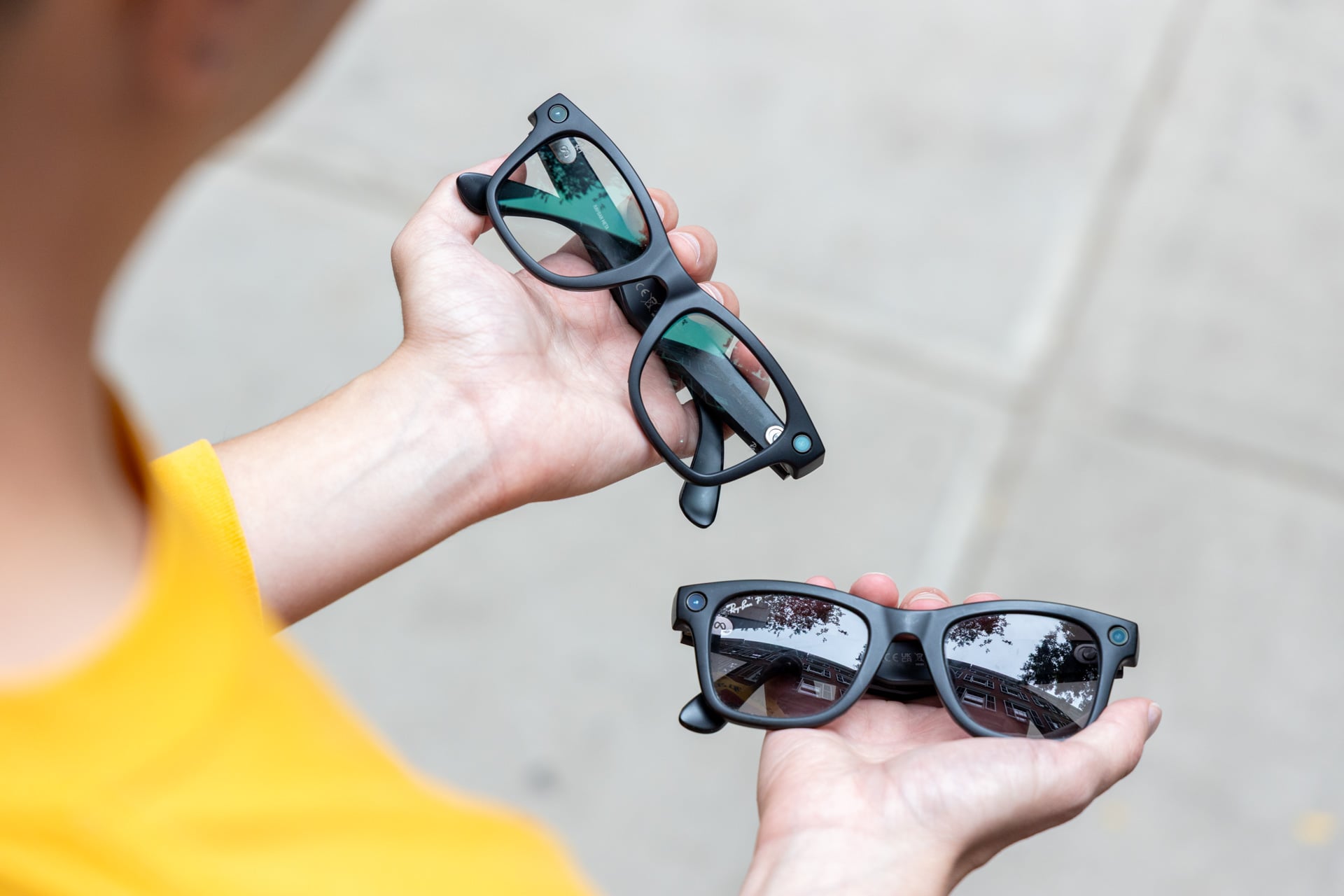
Features like computer vision, which uses the camera on the smart glasses to answer questions about the world around you, are somewhat novel, but maybe not altogether useful for most. Don’t get me wrong, I think it could be great for accessibility purposes—people who have vision impairments could use computer vision to parse their surroundings. But for a general audience, the AI part of AI glasses can feel underwhelming, and I’m not the only one who thinks so.
“The biggest hurdle to success that I see so far for Meta is the quality of Meta AI and the slow nature of getting third-party apps onboard,” says Anshel Sag, principal analyst at Moor Insights & Strategy, which follows the consumer tech space closely. “The ways that they enhance my life in their most simple form, as smart glasses, are still pretty much paired to just Meta apps.”
Outside of translating a menu or telling you about items in your surroundings, I’ve yet to see lots of practical uses for computer vision, and that’s not even factoring in the bad habit that Meta AI has of getting things wrong, which is a real issue in my experience using the Ray-Ban Meta AI glasses.
I get that not every new gadget has to have a purpose right off the bat. Take the Apple Watch, for example, which entered the scene as a frivolous accessory to your iPhone. In many ways, you can write off smart glasses for the same reasons that people wrote off the Apple Watch at first. Yes, it delivers notifications and comes in a wearable form factor, but it mostly duplicates the experience of using your phone. And not only that, it’s utterly dependent on your phone to work, same as Meta’s Ray-Bans and Oakleys.
Those criticisms didn’t hold up forever, though. Eventually, the Apple Watch found health tracking features like heart rate monitoring and crash detection, and now it’s a device unto itself that also acts as an accessory to your iPhone. The thing is, health features aren’t exactly up for grabs anymore, though Meta has tried to introduce nutrition tracking as a feature, which uses the camera on the smart glasses to log what you eat and then gives you AI-powered recommendations. Whether that gets any traction remains to be seen, but I personally don’t envision loads of people lining up to have Meta AI shame them for their diets.
So, smart glasses will have to find their own niche, just like the Apple Watch, though whether such a niche really exists is anyone’s guess. It’s not that smart glasses can’t be useful at times—they can—but as it stands, even Meta lacks a “killer app” to drive adoption. Sure, people like recording stuff, but that is an entire can of worms from a privacy perspective, and for as many people that want smart glasses for their recording abilities, there are just as many that hate them for it.
Millions of units sold or not, smart glasses like Meta’s still feel like they’re a long way from the proverbial Apple Watch moment—a holy grail that is never guaranteed to arrive.
Read the full article here