
Computex 2026 is set to be the most consequential computing conference in many years.
The annual computing showcase that is set to take over Taipei, Taiwan, June 2 through June 5, will bring us all new computing platforms we’ve seen hinted at for months. While Nvidia will be busy hyping up its new homegrown ARM-based CPUs, we’ll likely see refreshed laptops that hope to fight back against the budget-end king of the ring, the MacBook Neo. New single processors with CPU and GPU capabilities combined are reaching unbelievable performance, making at-home computing more accessible than ever.
At the same time, the computing industry as a whole is threatened by dire tidings due to the skyrocketing cost of memory—including SSDs and RAM. All the major players in silicon, including Qualcomm, Intel, AMD, and—of course—Nvidia, are set to showcase new computing platforms for PCs in all form factors. In the same breath, each company will want to promote processors designed for datacenters and AI hyperscalers, driving cloud-based compute that’s exacerbating the RAM pricing apocalypse.
There’s a reason you can still hold hope in your heart. Computex is renowned for allowing PC and peripheral makers to get weird with it. Computex 2026 may be the best showcase for why the era of “personal computing” is worth fighting for. Gizmodo will be in Taipei and live blogging it all.
What’s In My Pack: Computex 2026 Edition
A 15-hour flight, plus a packed week in Taipei, Taiwan, demands a heap of tech to keep me occupied. I’m taking several items that I’m in the middle of testing, including an HP Omnibook Ultra as well as a GoPro Mission 1 Pro action camera and accompanying attachments. For my own pleasure, I’m bringing along a Boox Palma 2 Pro and the Asus ROG Xbox Ally X (covered by DBrand’s Killswitch case) packed with a few games I’ve been meaning to finish, like Esoteric Ebb. I’m also carrying along a Genki Covert Dock 3 the company sent to me for testing, though I’m saving my impressions for later. I also have my trusty Ricoh GRIIIX fixed-lens camera and a Lenovo travel dock for any extra photos. I’ve also started rereading Patrick O’Brian’s Aubrey and Maturin series, so that’s why fellow sailing fiction fans may spot Post Captain among my haul. Believe it or not, this is me traveling light. —Kyle Barr
It’s Like a PlayStation Portal Running on Linux
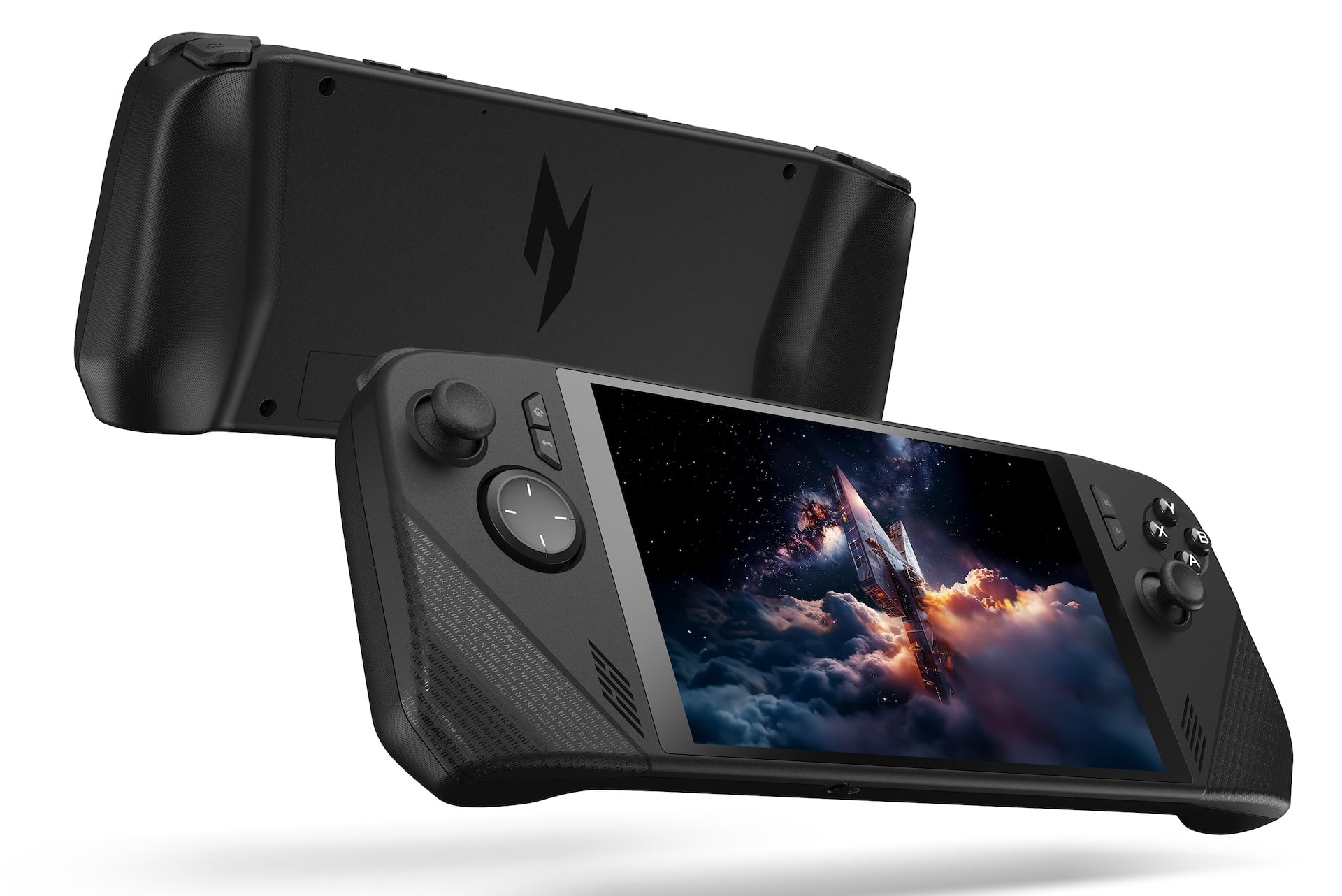
Acer has a whole bunch of new gaming-related products it decided to debut at Computex 2026. While they’re dropping refreshes of the usual set of Predator and Nitro gaming laptops, including a massive Predator Helios 18, I didn’t expect the PC maker would drop a streaming-only handheld as well. The Acer Nitro Blaze Link runs on Linux, not Windows, and it’s meant for device-to-device streaming through open-source apps like Sunshine and Moonlight.
Acer isn’t offering any clue of cost for that or any of its other mobile PCs coming later this year. That makes sense, considering memory prices are in such disarray that even major OEMs (original equipment manufacturers) aren’t willing offer a clear idea about prices even a few months out. —Kyle Barr
You Won’t Guess What the ‘C’ in Qualcomm’s ‘Snapdragon C’ Stands For
If you thought that Qualcomm’s Snapdragon X chip series was going to be the company’s only computer chip, think again. The company’s next ARM-based CPU built for laptops is Snapdragon C. In what’s perhaps the most on-the-nose branding ever devised, the “C” stands for “compute.” We don’t know much about this chip except that it will feature in budget-end laptops that are obviously made to compete with Apple’s $600 MacBook Neo. —Kyle Barr
Acer’s Atlas Gaming Handheld Sure Does Look Thick
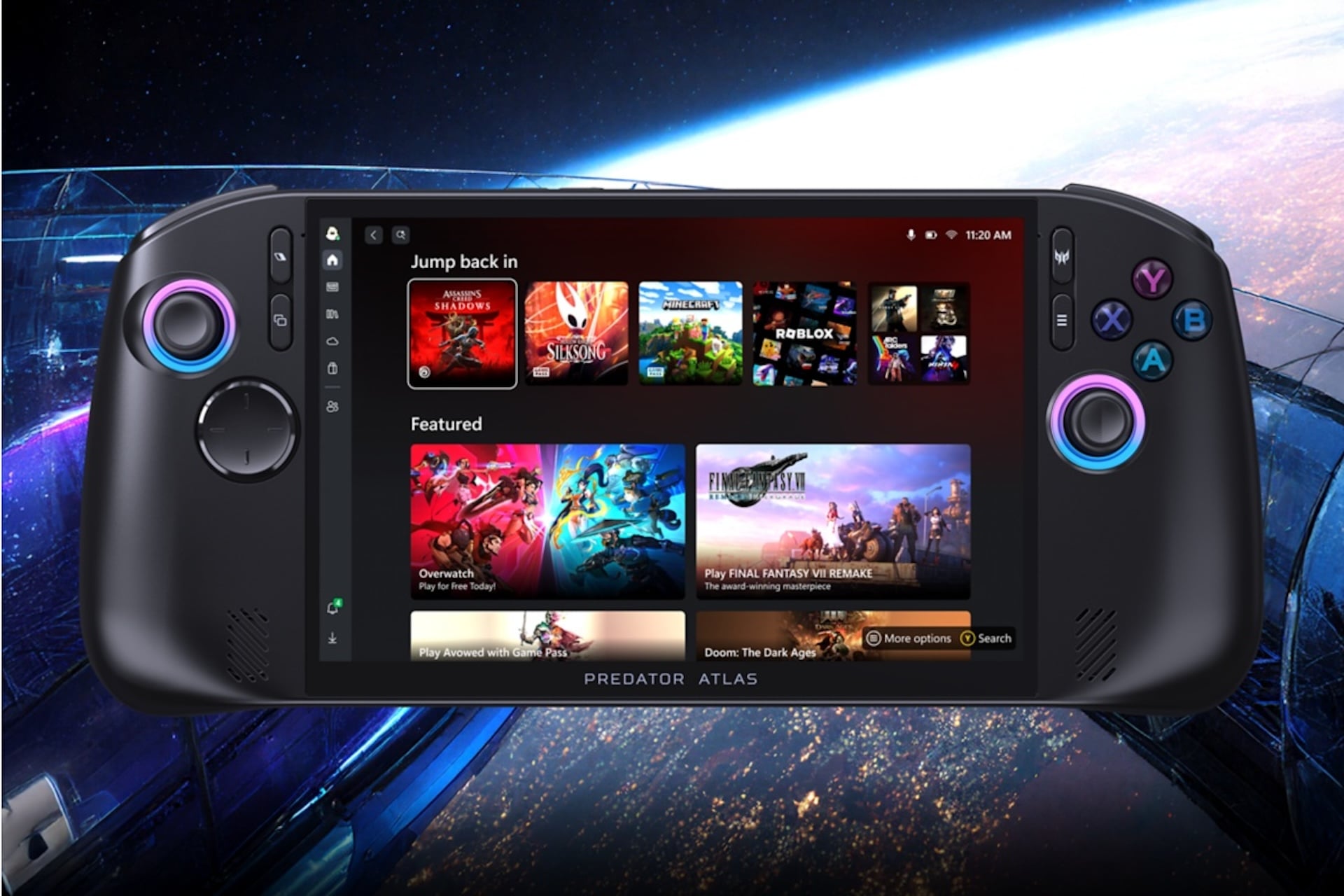
Acer offered a sneak peek of its first gaming handheld, which it promises will actually come to the U.S., unlike its still-MIA Nitro Blaze 7. The Acer Predator Atlas 8 is one of the first devices confirmed to sport an Intel Arc G3 and Intel Arc G3 Extreme chip inside, meaning it will pit itself against similar AMD-based devices like the Asus ROG Xbox Ally X. We don’t know much it will cost, but we should hopefully see it on the Computex show floor. —Kyle Barr
Channeling Moses, Intel Made an Arc for Handhelds
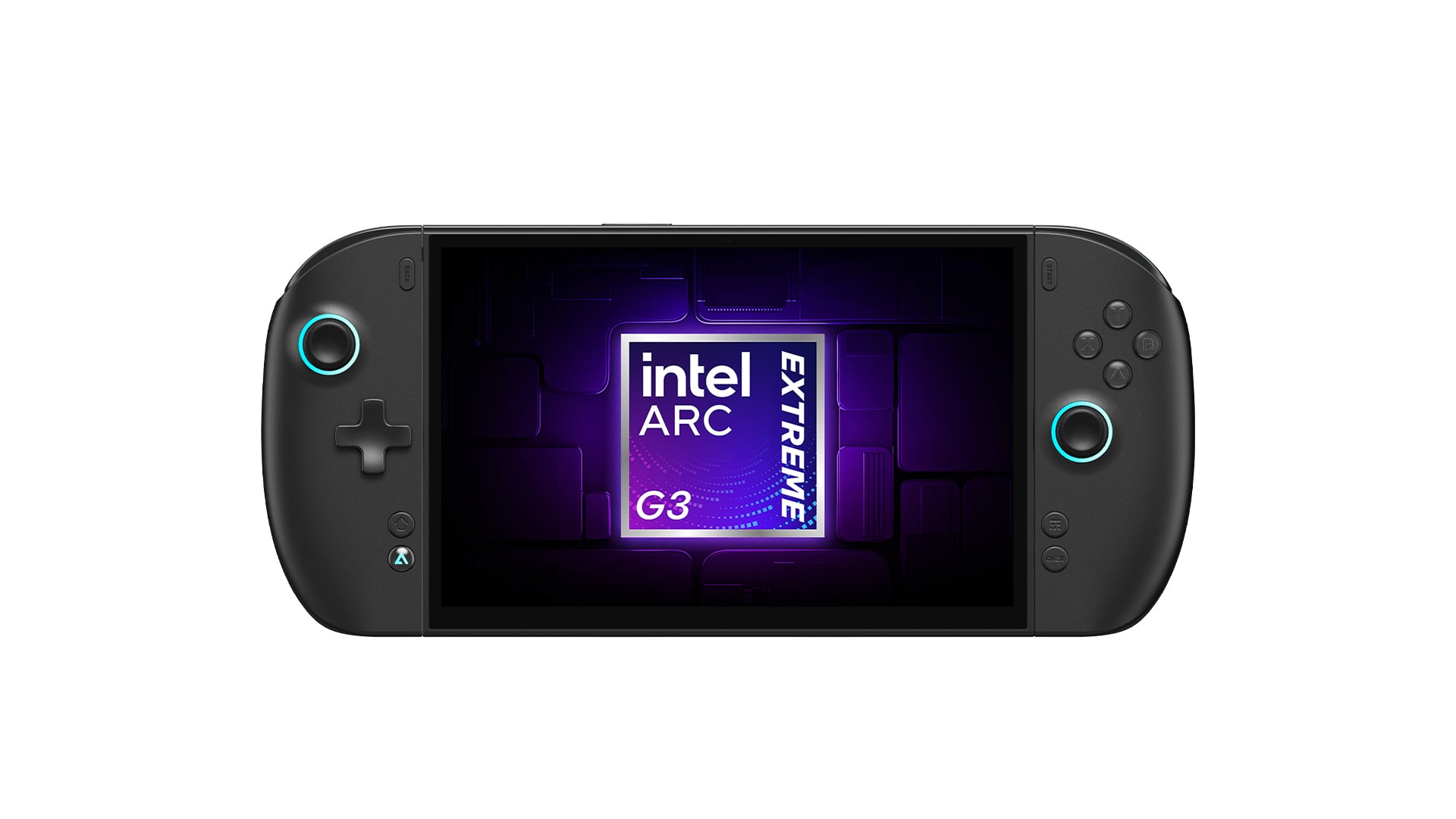
Intel’s Arc G3 chips are Team Blue’s attempt to knock AMD from its handheld monopoly. Though it features the same 18A process as the company’s top-end Panther Lake CPU, the Arc G3 chip features half the number of P (performance) and E (efficiency) cores. Instead, it’s relying on the Arc B370 and ARC B390 GPU to potentially offer high-end graphics performance with—hopefully—solid battery life. We already know of two handhelds that plan to make use of the Arc G3. We should learn more during Computex proper. —Kyle Barr
Team Green’s Next CPU Could Be a Big One

Nvidia CEO Jensen Huang has been crawling around Taiwan the last week in preparation for his company’s GTC Taipei showcase starting June 1. So far, Huang’s been yammering on and on about hyperscalers this and datacenters that, but there’s a reason why you should pay attention next month.
There are enough rumors going around to suggest Nvidia could finally reveal its first laptop CPU in well over a decade. Multiple leaks suggest the N1 and N1X chips will be based on ARM microarchitecture, similar to Qualcomm’s Snapdragon X and Snapdragon X2 chips. However, the exciting part of this is how Nvidia could employ its GPU know-how onto an APU (accelerated processing unit) that could compete with AMD’s latest Strix Halo and Gorgon Halo processors.
It all seems promising, though the ongoing leaks suggest that Team Green had to delay its chips for more than a year to squash a mountain of bugs before release. Hopefully, Nvidia took the time to iron out the issues before we see the N1X in action. —Kyle Barr
AMD’s Own ‘AI Supercomputer’ Is More PC-Like Than Nvidia’s
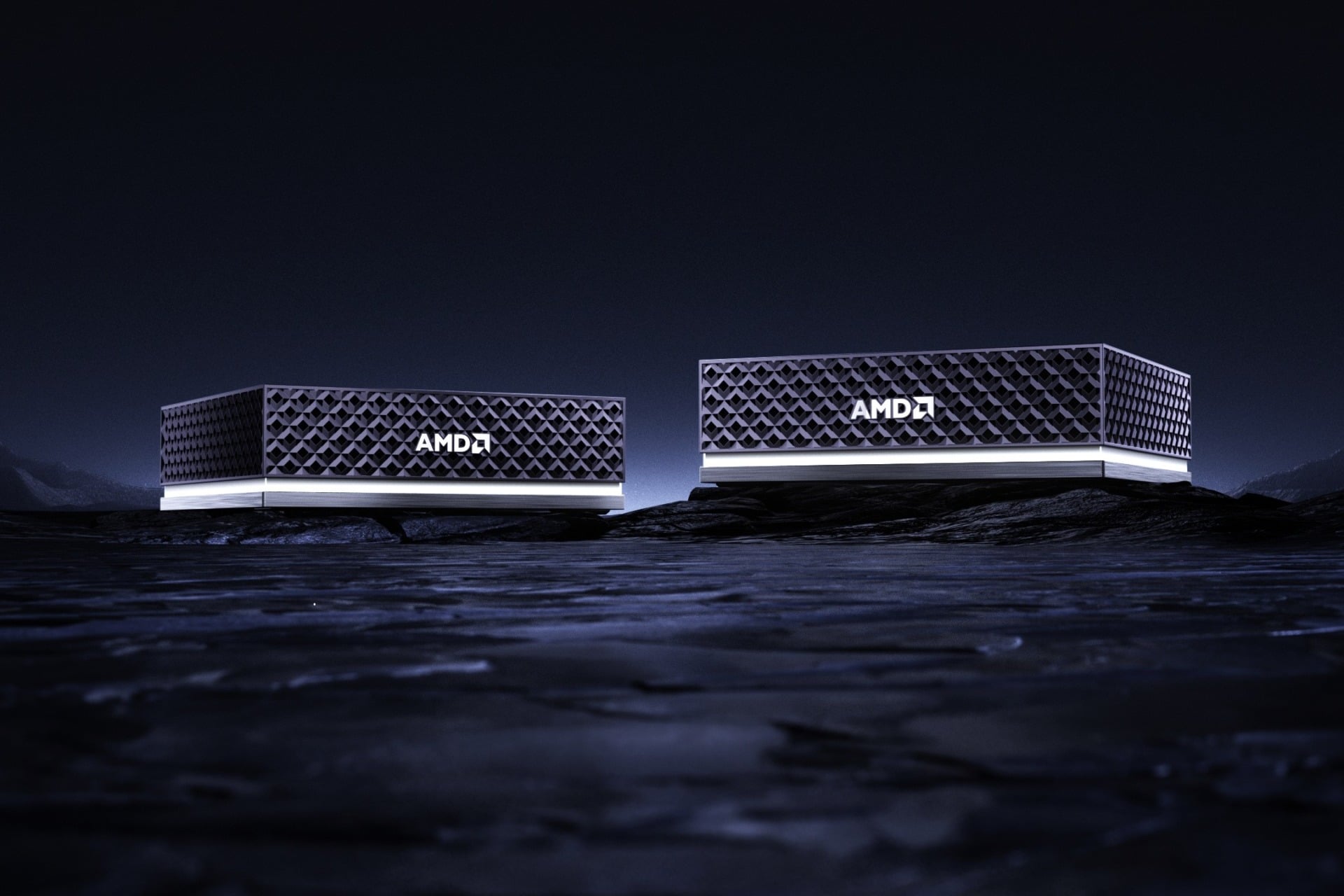
Let the APU (accelerated processing unit) battle commence. AMD’s new Ryzen AI Max+ Pro 495 chip seems beefy since it’s packing 16 Zen 5 CPU cores and a 40 CU (compute units) GPU. Despite that, the new chip doesn’t seem like a major upgrade from the last-gen Strix Halo lineup. That’s mostly because it’s using the same RDNA 3.5 GPU microarchitecture on a slightly updated Radeon 8065S graphics chip.
As if you couldn’t get enough “Halo,” AMD is also producing its own mini PC using both last- and current-gen Halo chips called—of course—Ryzen AI Halo. As you can guess by the title, it’s built for AI. Compared to Nvidia’s DGX Spark “AI supercomputer,” AMD’s version is running on good ol’ x86 and supports Windows. By comparison, Nvidia’s little AI box runs on ARM and only supports a customized Linux backend. —Kyle Barr
Read the full article here