

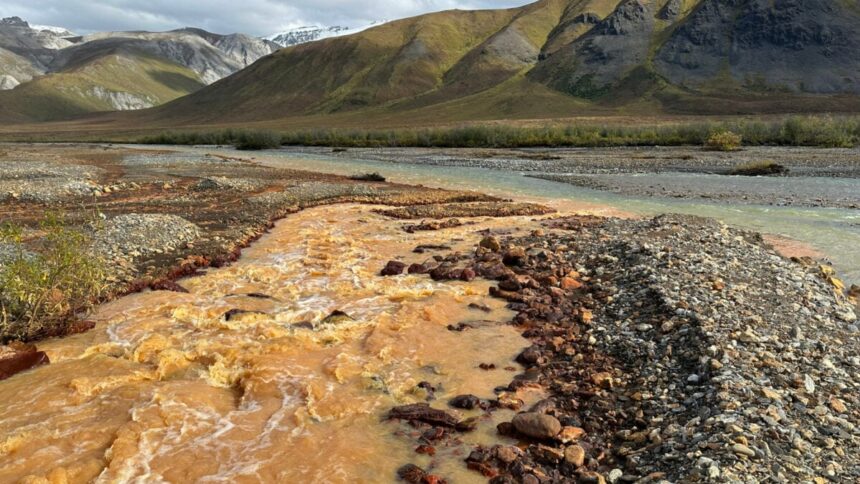
The Arctic’s rivers are turning a vibrant shade of orange, which scientists have attributed to thawing permafrost from—you guessed it—rising temperatures. Here’s the latest in this depressing saga: The rivers are now spreading plumes of metal and acid far downstream.
An analysis of six watersheds in Alaska’s Brooks Range revealed that the tributaries and seeps feeding into the park’s rivers are extremely acidic and metallic, with levels comparable—and sometimes even higher—than water drainage from rivers located near metal mines. While the rivers’ main waterstems weren’t as acidic, the region’s drainage system has been transporting contaminated water over 60 miles (100 kilometers) downstream. As the tributaries and seeps dump more water into the river, metal concentrations can increase by roughly 70 times compared to their initial entry. The findings were published yesterday in AGU Advances.
“This is very acidic, metallic water,” Brett Poulin, the study’s senior author and an environmental scientist at the University of California (UC) Davis, said in a statement. “The good news is the river’s mainstem did not become more acidic. It’s buffering the pH, indicating there is some resiliency in this system. But there are metals that increased downstream, and those can be transported very long distances.”
Colorful changes
In 2024, Poulin and colleagues were among the first to seriously investigate the connection between the Arctic’s orange rivers and thawing permafrost. As the name suggests, permafrost should be permanently frozen. But as temperatures rise, permafrost thaws, exposing reservoirs of carbon, nutrients, and other minerals to oxygen, according to the study. That introduces an unnatural flow of iron, sulfuric acid, and other metals into nearby streams.
As a result, Arctic rivers—even those located in otherwise pristine national parks—experience acid rock drainage, which is typically observed near active or abandoned mines. Subsequent investigations by Poulin and collaborators from the 2024 study more or less solidified this hypothesis. For instance, a couple months back, scientists characterized how thawing permafrost at different elevation levels affects the “rust” of Arctic rivers.
An unholy union
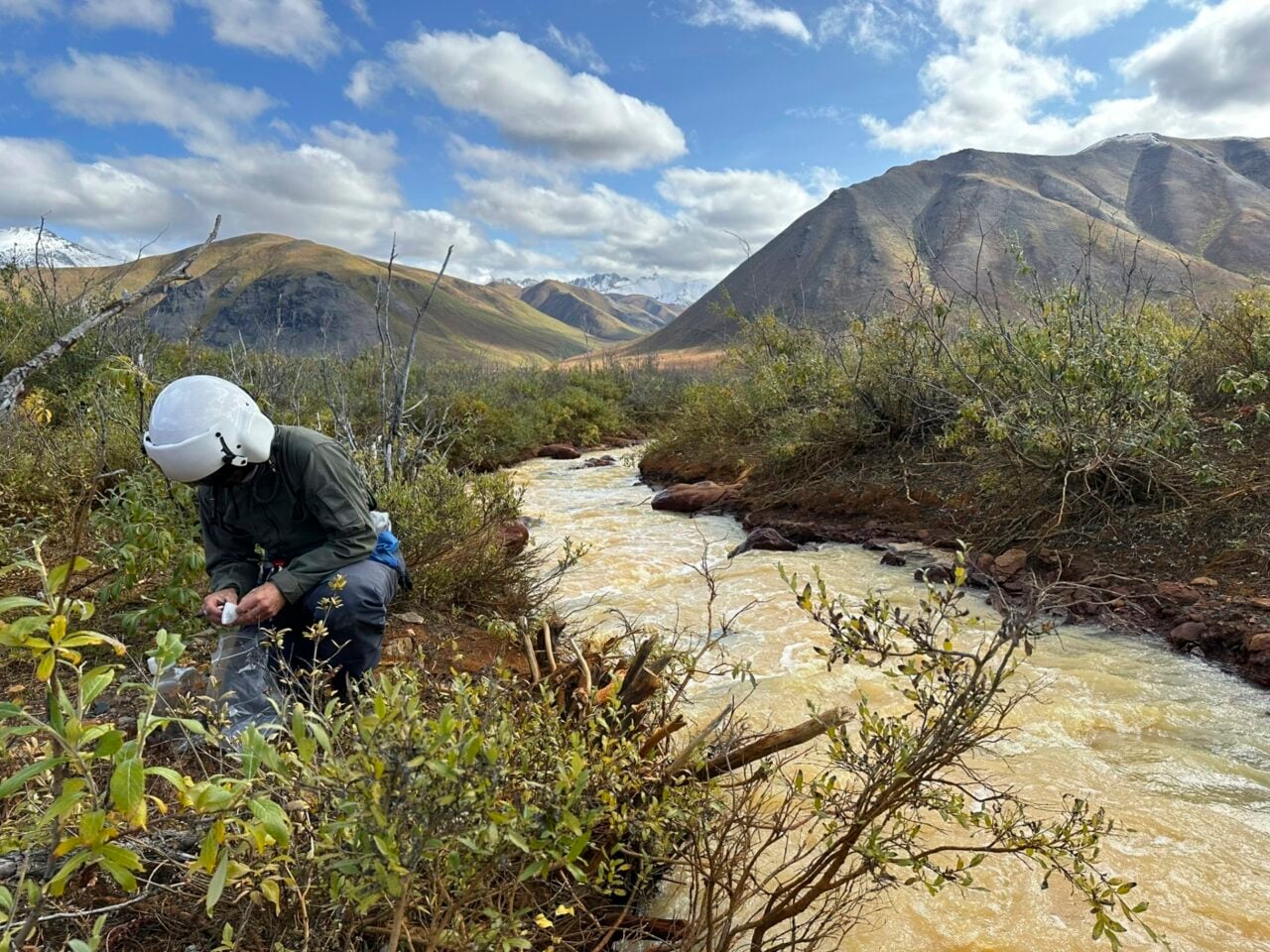
For the latest work, the team spent two years collecting water samples from different sections of rivers and watersheds in Alaska’s Brooks Range. While retrieving the samples, the researchers also gathered key metrics such as acidity, temperature, and oxygen levels to quantify the varying degrees of contamination across the region. Then, they conducted a detailed statistical analysis based on the samples’ chemical profiles.
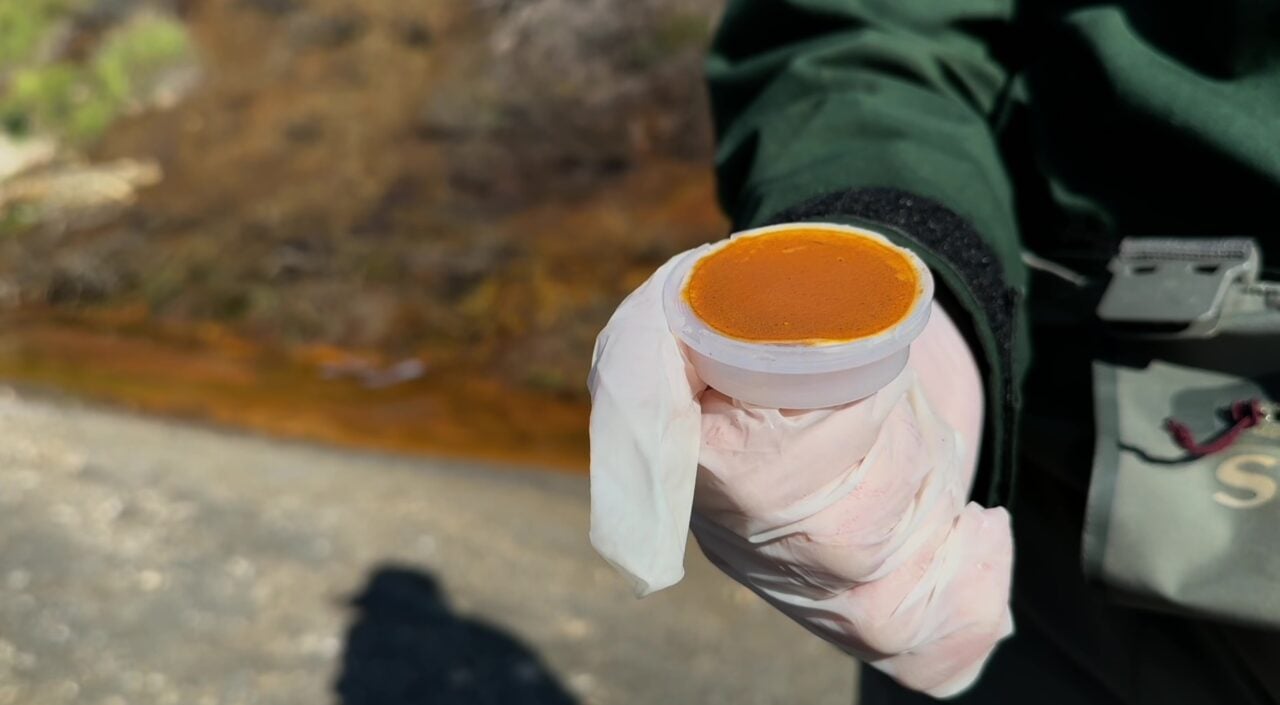
Their findings weren’t too hopeful, to say the least. The analysis did provide further evidence that thawing permafrost was behind the orangeness, however. Referencing long-term water quality records affirmed large spikes in sulfate and zinc concentrations in 2019, when Alaska experienced its warmest summer to date.
“When you have more snow, it insulates the soil, preventing refreezing,” explained Taylor Evinger, the study’s first author and a PhD student at UC Davis. “We think water went deeper into the soil because of soil thaw, interacted with these minerals, and all of these watersheds were triggered around the same time.”
What now?
All that said, there is evidence that the rivers are capable of buffering and recovering from these changes. According to previous work based on remote sensing observations, over broader periods the river goes through gradual decreases in sulfate and zinc concentrations following acidity spikes. Then again, there’s only so much nature can do; these periods of “recovery” seem to be “minor compared to the dramatic recent shifts,” the team wrote in the study.
Another concerning factor is how far these toxic deposits can go. As of now, the team isn’t certain how exactly this could affect both wildlife and humans in rural communities. Evinger explained that so far, scientists aren’t aware of massive fish die-offs or water quality issues for villagers directly associated with orange rivers. But we certainly cannot rule out the possibility—after all, more and more rivers are turning orange.
“Many watersheds—hundreds of them—have acid rock drainage inputs,” Evinger said. “These rivers are pretty much untouched, and yet this is happening here. It’s a new reality of climate change.”
Read the full article here