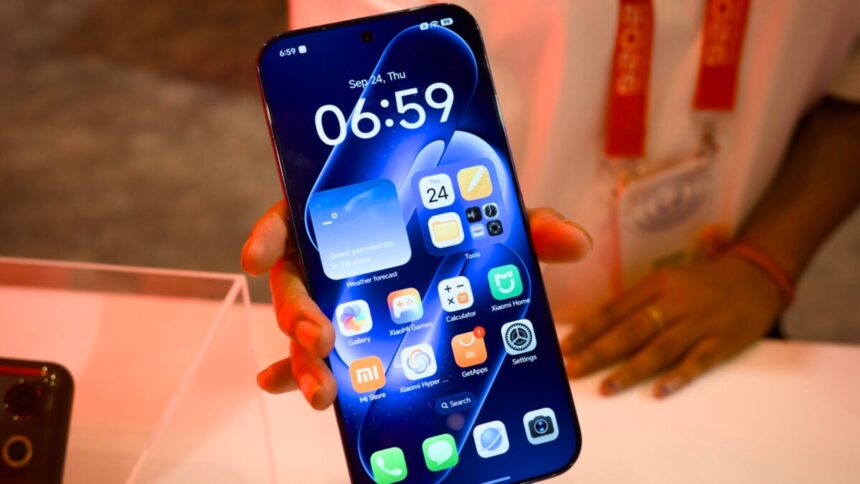
Many of the biggest players in tech imagine they’re capable of making devices that will become as popular and as ubiquitous as the smartphone. Those companies that actually make our phones are finally starting to clap back and say phones aren’t going away, and it’s about time.
You may not have originally clocked one of Apple CEO John Ternus’s opening statements during the company’s “Surprise and Shine” showcase, where the company announced the iPhone Duo and iPhone 18 Pro. He called the iPhone “the intelligent personal hub” for all those other AI-connected devices that surround us. Then, at Snapdragon Summit, Qualcomm’s CEO, Cristiano Amon, offered a similar stance. The company that makes many of the chips for Android phones and many other devices besides said they think the phone will remain the lychpin for every other gadget you own.
See iPhone Duo at Apple.com
See iPhone 18 Pro at Apple.com
Gizmodo sat down with Christopher Patrick, Qualcomm’s head of handsets, and he doubled down on that point. In his mind, every one of the newfangled wearables, earbuds, and AR glasses that pack in AI to the gills are simply accessories that treat the phone as “central.” And even if use cases change or we get more devices than just foldables, the phone form factor really won’t change. Everything else you hear is just “an illusion,” he said.
The frankness is refreshing, though Patrick’s stance is not the only opinion within Qualcomm. Gizmodo also talked with Kedar Kondap, Qualcomm’s VP in charge of PC and gaming, and he offered up the laptop as the true central device. If we’re still talking about AI, then the PC naturally has the necessary computing potential and—more importantly—RAM necessary to run on-device AI models. But let’s also just admit you won’t always have your laptop with you.
It’s not as if laptops are dead by any reasonable metric—especially with their well-established use case for mobile computing power. The problem is too many companies imagine they want to become the next entity to make a device as central to life as the iPhone (and therefore control the market for said device). Just this week at Meta Connect, the company that first thought the metaverse was a good idea brought out a Muse Charm, yet another AI doohickey the size of a Tomogatchi. In CEO Mark Zuckerberg’s words, Muse Charm lets you access the company’s Muse agentic AI without “having to unlock a smartphone or open an app.” That independent AI box would need an internet connection, doubling up on capabilities your phone already has.
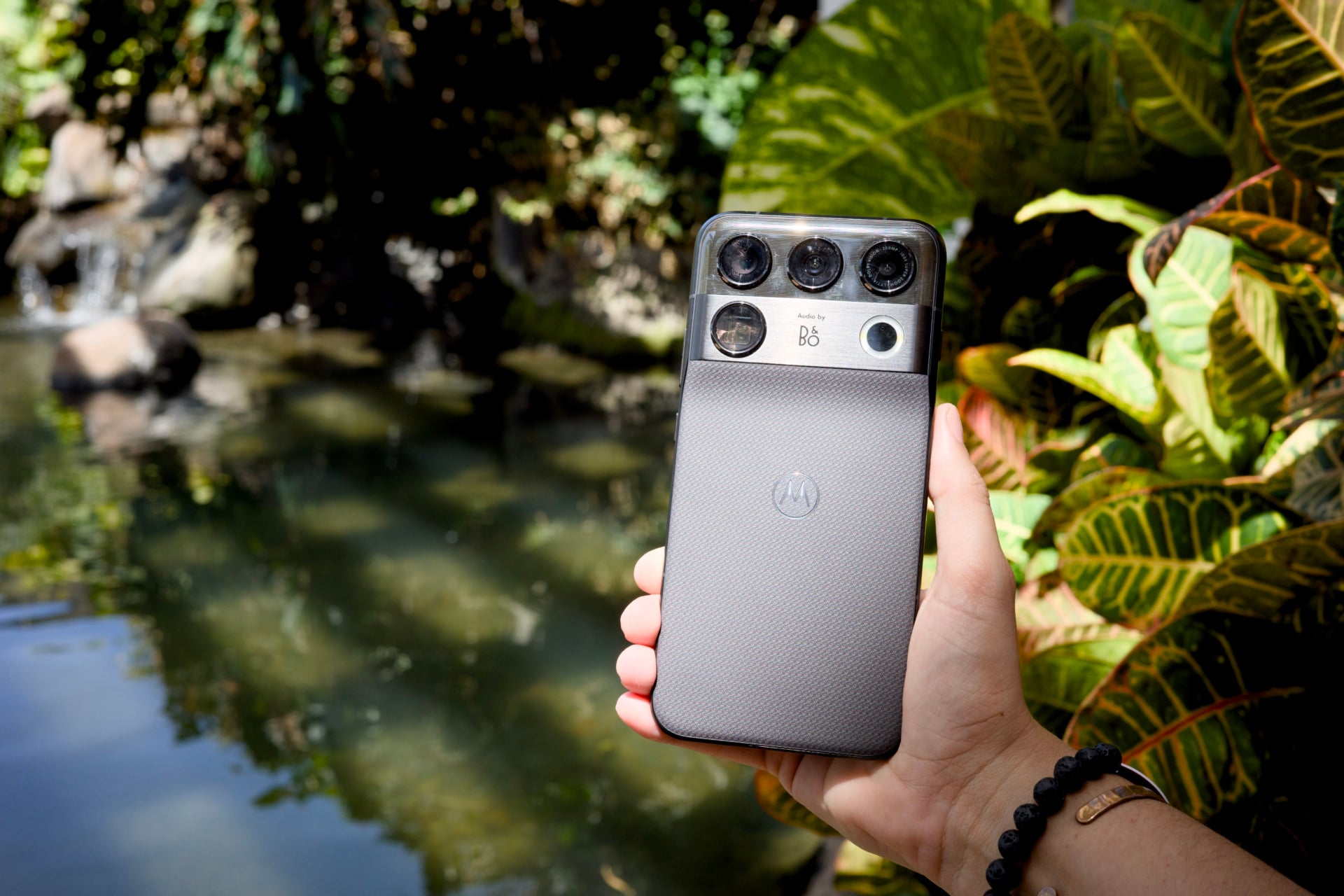
For the last several years, we’ve had to listen to talking heads tell us the phone’s time is done. Jony Ive, an ex-Apple designers that helped bring us the original iPhone, has said he resents what the phone ecosystem has become in this screen and social media-obsessed world. He’s working with OpenAI to create a ChatGPT-based gadget that may merely be a smart speaker with the ability to wiggle around. Is that really what we’re supposed to use instead of a phone when at home?
Just last year, Qualcomm implied that we’re moving beyond apps, that we just talk to AI and let it handle all the rigamarole of ordering our Ubers and food. But no matter what, unless each device maker becomes a monstrous monopoly of all hardware and software capabilities, any agentic AI would have to work within an app or service for most of our daily efforts. If apps actually go away, and an “agentic OS” keeps the app capabilities in a kind of container, it won’t be any time soon, Patrick said. So even if AI matches the dubious promises proposed by Apple, Qualcomm, and every other big tech firm, the future of tech will still look very much like the portable computer and screen in your pocket.
See iPhone Duo at Apple.com
See iPhone 18 Pro at Apple.com
Read the full article here