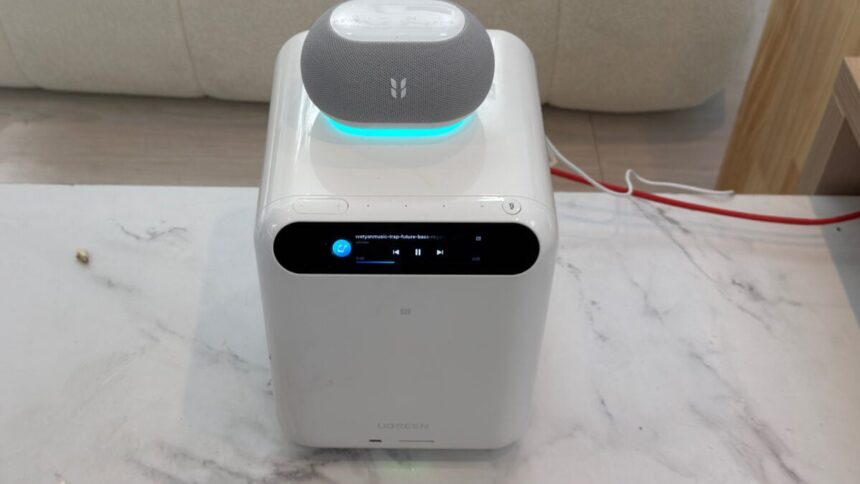
At IFA 2026, I stumbled on a booth where Ugreen, a company I’ve mostly known for its charging and USB-C hubs but that also makes NAS servers, has announced a new smart hub line that supports Matter, has a built-in AI assistant, and supports standard hard drives for NAS-style storage.
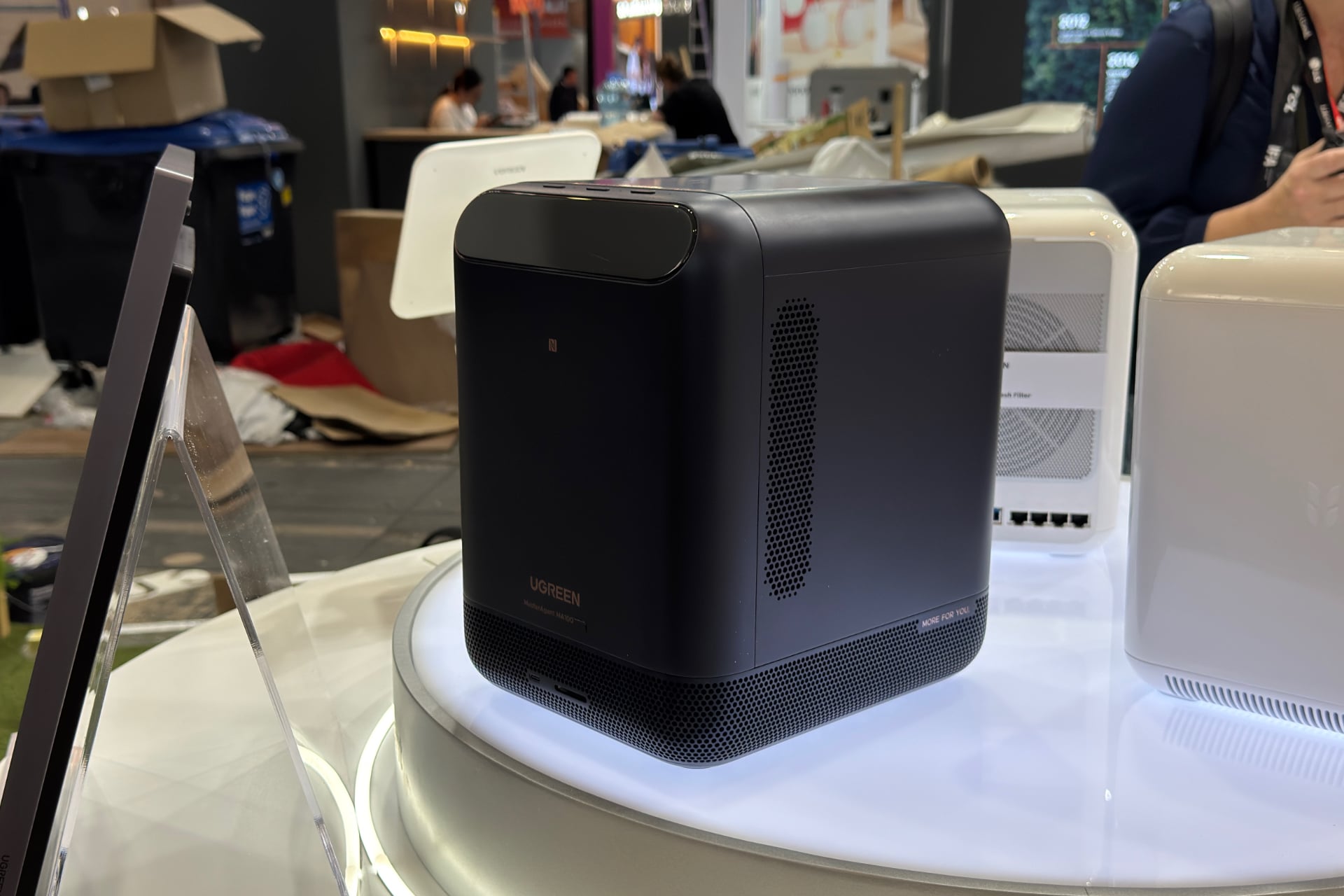
If that all sounds familiar to you, it’s because I could just as easily be describing the MindBase that Anker announced yesterday. The HomeAgent will come in three flavors: the $1,800 HomeAgent HA100, the $6,000 HomeAgent HA100 Pro, and the $20,000 MasterAgent MA100. Ouch. (Anker, for what it’s worth, didn’t announce pricing for the MindBase.)
All three of these are Matter-compatible, although the reps at the booth insisted when asked about it that Ugreen would really prefer people use its own smart home products. (It also announced three new smart home cameras yesterday.) There’s a built-in AI assistant called “Uliya” that you can talk with to control those devices. As the representatives tried to demo the unit, it often just didn’t respond to its wake phrase, although in Ugreen’s defense, it was noisy in the area.
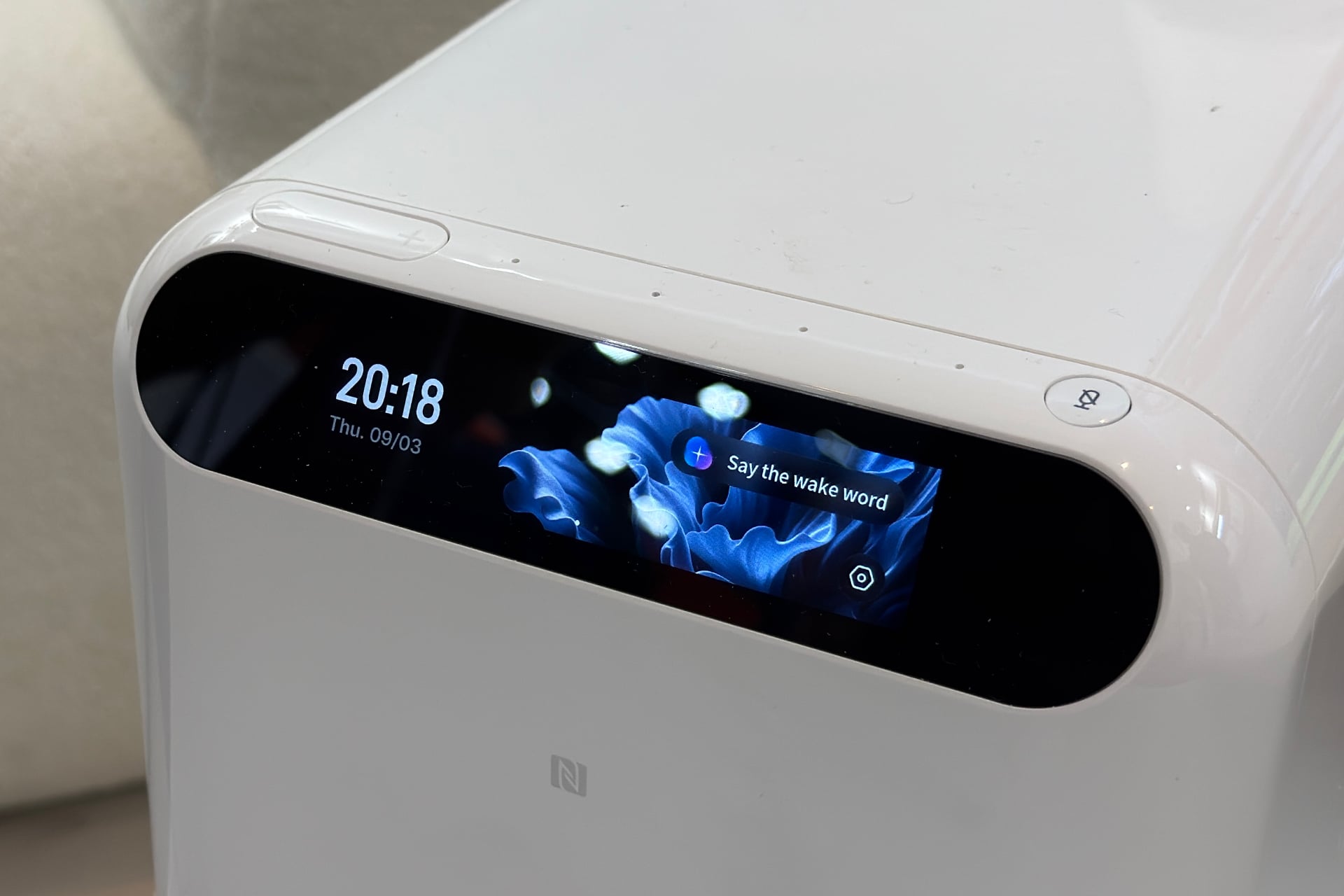
I actually had better luck getting it to respond. I got it to open some shades, for instance, although when I asked it to turn some smart lights pink, it played music on a nearby, also-newly-announced Ugreen smart speaker instead. Similar to other generative AI-based smart home assistants, it’s slow. When you say “Hi Uliya” (which might be one of the most awkward wake phrases I’ve ever used) followed by your request, it processes for a few seconds before acknowledging and carrying it out.
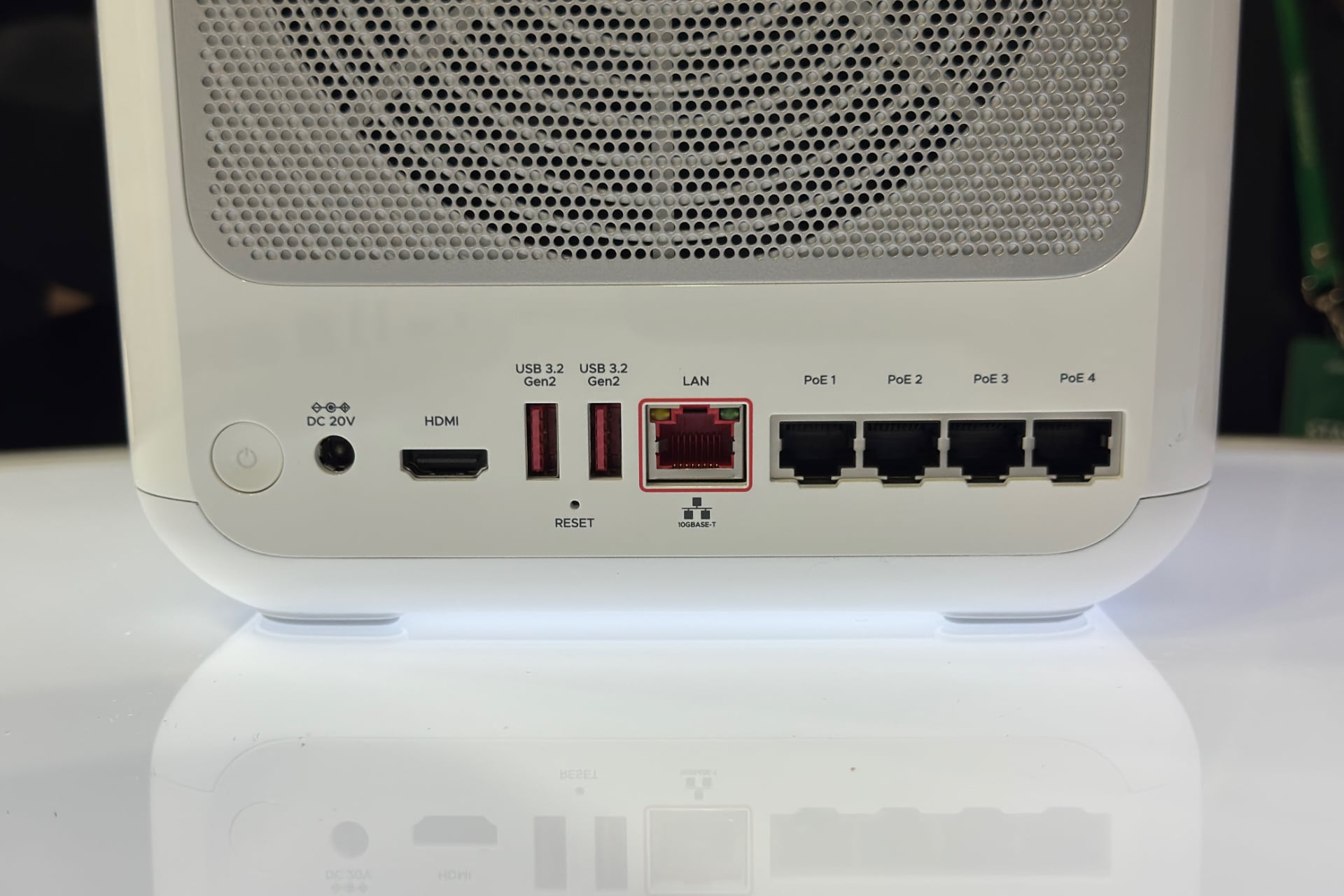
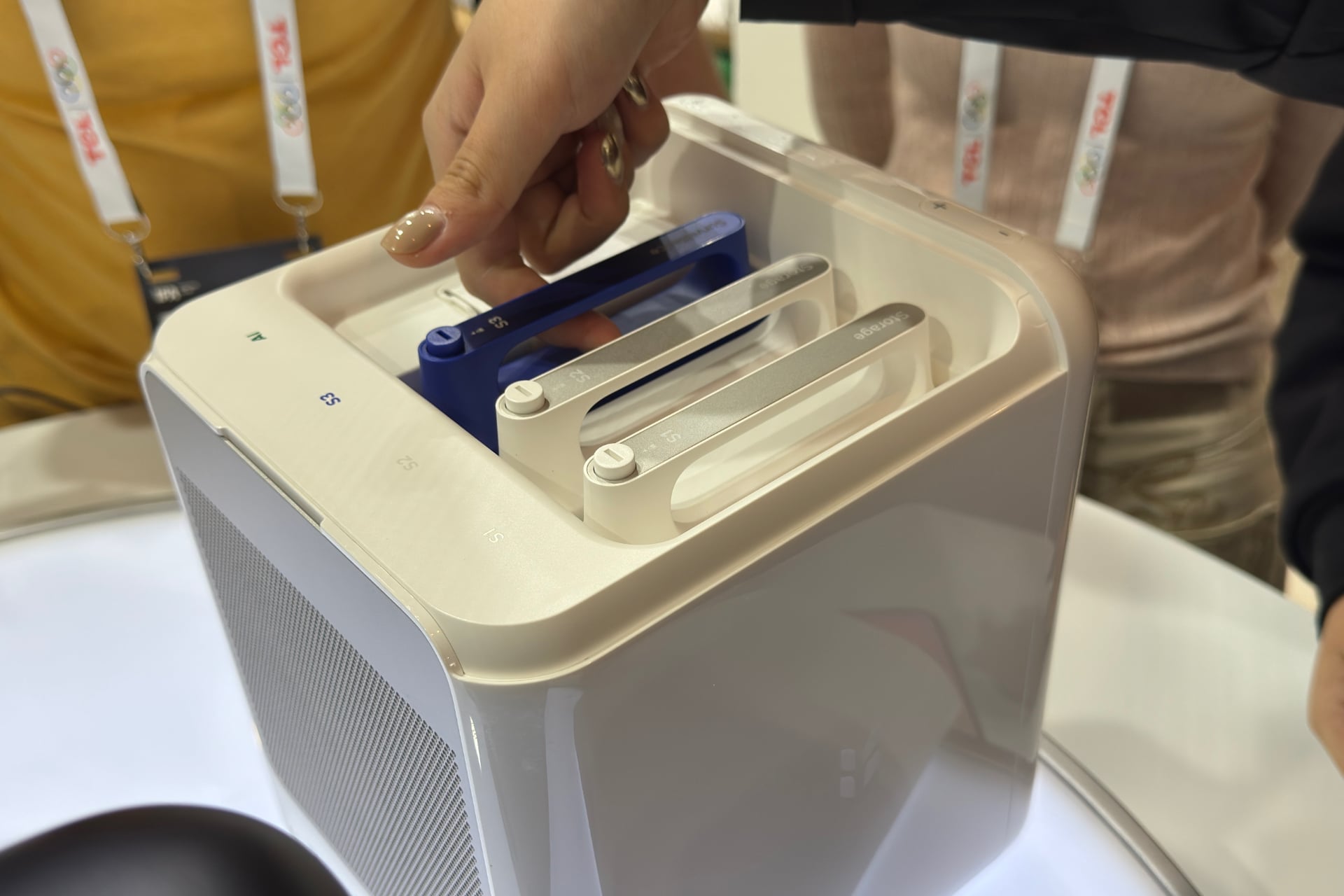
You can also ask the assistant to do things like play music you’ve stored locally on the device. It wasn’t clear if streaming services are supported yet. Much like Anker’s MindBase, part of the pitch is that you can invoke Uliya to ask about events that occurred within sight of your cameras or search photos you’ve backed up to the HomeAgent’s internal storage.
The differences appear to come down to technical prowess. The HA100 has the lowest-performing CPU, only 16GB of LPDDR5 RAM, and 64GB of built-in flash storage, for instance, while the highest-end $20,000 MA100 is equipped with an Nvidia Jetson Thor T5000—good for “up to 2,070 TFLOPS”—128GB of RAM, and a 256GB M.2 NVMe SSD. I’m sure that makes for one of the best AI computers you can own, but sheesh, that price.
Read the full article here