“Wearables” may already be too broad a term in tech. It encompasses more than smartwatches. Is an exoskeleton a “wearable”? What about the oft-derided AI pin? Qualcomm seems to think it counts, so much so that its latest chipset is built not just for smartwatches but for whatever future AI-centric doohickey big tech plans to stick on our lapels or around our necks.
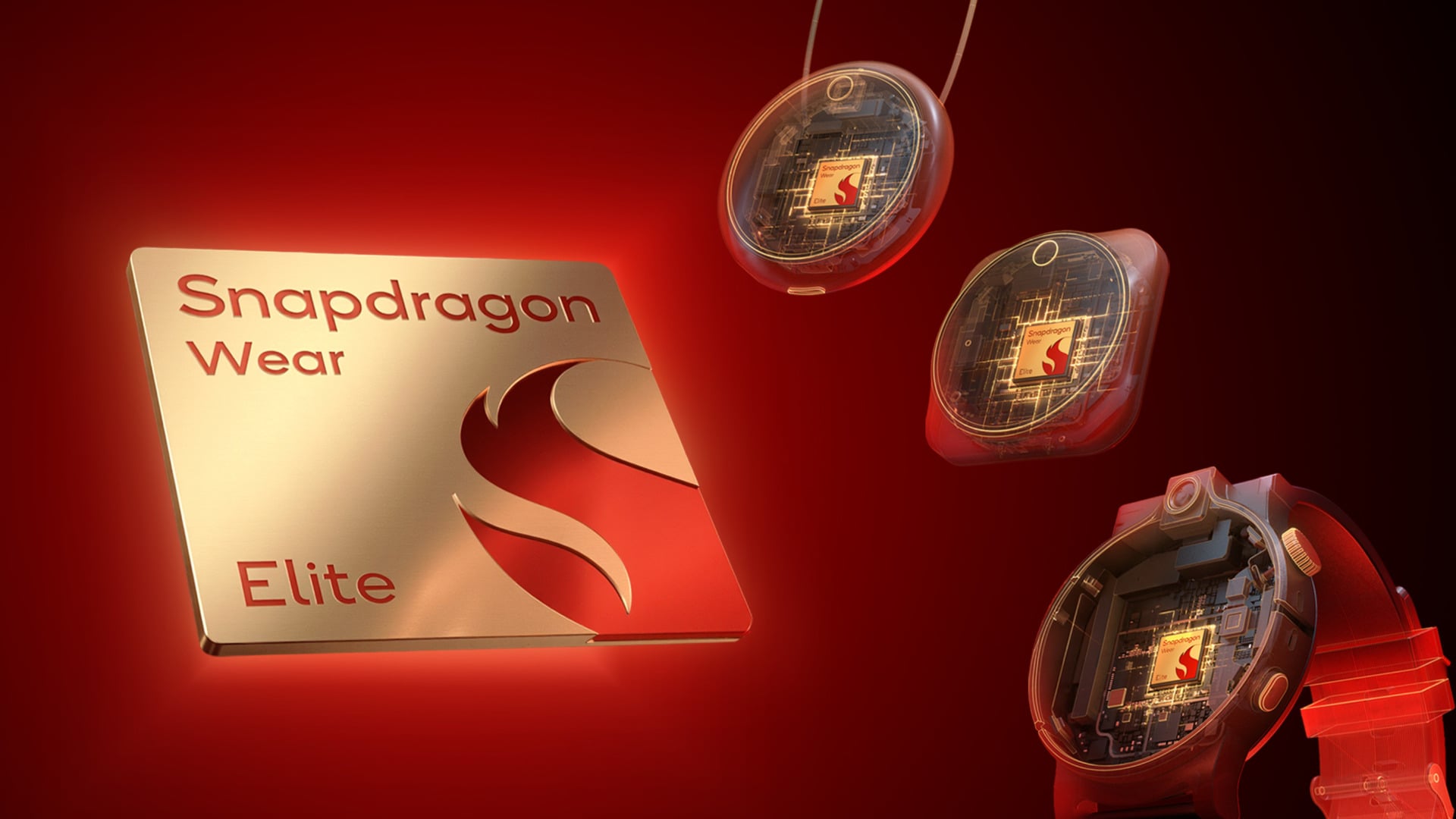
Previous Qualcomm Snapdragon Wear chips were mostly geared toward smartwatches. The new Snapdragon Wear Elite, first announced in time for MWC 2026 in Barcelona, is supposed to offer more platforms than that. The chip is built on a 3nm process node and encompasses Qualcomm’s Hexagon NPU. That neural processing unit is built for handling low-end AI tasks, though Qualcomm also included an extra eNPU AI accelerator for low-power AI use cases.
The chipmaker further claims it has boosted the CPU by five times in single-thread performance compared to the previous W5 Gen 2 chip. The chipmaker also improved the max frame rate you can get from the Wear Elite’s GPU. These upgrades could make next-gen smartwatches a little more snappy when loading apps. However, Qualcomm’s main goal is to introduce new use cases for its platform, whether through pins, pendants, or AI-centric hubs.
This new chip promises to be able to handle a 2 billion parameter AI model on device. To put that into perspective, Google’s smallest AI model, Gemma, is a 270 million parameter model. That means the chip is technically capable of handling a very small conversational model. How that shakes out in reality is still to be determined. In addition, Qualcomm claims it enhanced image stabilization for tiny cameras. It supports cameras capturing images and video at 1080p and 60 fps. These could be useful for AI vision models. At the same time, any kind of AI vision model will likely need to run on the cloud, requiring an ever-present internet connection. The need for constant 5G or Wi-Fi connection is what has held back previous attempts at AI wearables—even if you ignore the AI’s tendency to offer inconsistent answers or outright lie about what it sees.
A future full of AI wearables
Qualcomm’s senior director of project management, John Kehrli, told Gizmodo that the chipmaker is already in talks with multiple companies, all of whom are trying to craft some variety of AI wearable that finally makes sense. Kehrli mentioned how there are a variety of form factors being worked on beyond AI glasses, such as Meta’s Ray-Ban smartglasses and AR glasses. There’s also Razer, which is proposing players will want a Project Motoko gaming headset with two camera lenses to let AI see what you’re playing and offer (often inconsistent) commentary.

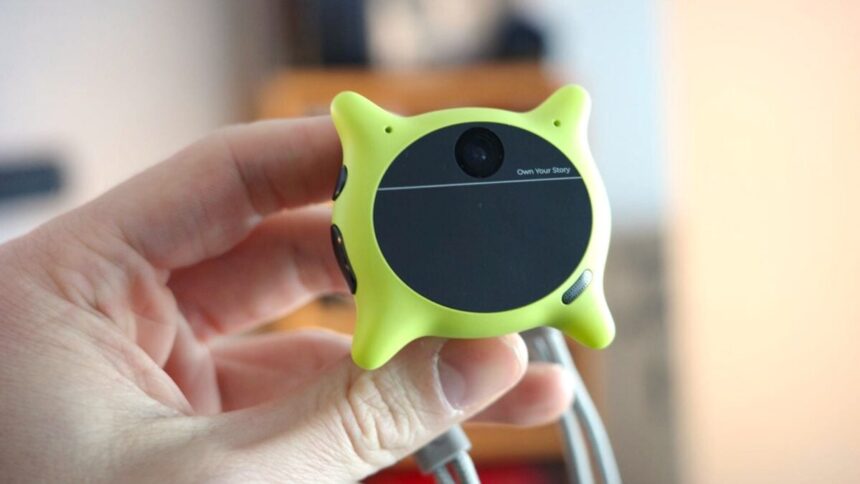
Then there’s a device like the Looki L1, a self-described “personal AI wearable.” It may look like a Nickelodeon splat logo, though it’s made to hang around your neck and provide commentary or simply record your life with the help of the built-in camera that can capture 1080p video or photos. That device is currently running on Qualcomm’s W5 Gen 2 chip.
Can a Qualcomm chip overcome Humane’s flaws?
So far, the highest-profile examples we’ve had of AI wearables have been travesties and utter failures. Humane famously raised $240 million in investments to produce an AI-centric pin that required a constant internet connection and overheated doing the most basic tasks. Humane eventually dissolved and sold most of its assets to HP. Other devices, like the Plaud AI Pin, are merely recording devices that depend on an app and cloud-based AI for transcription.
Then there was Friend, another VC-backed startup that wanted to throw an AI companion around your neck. Its million-dollar New York City ad campaign ran up against skeptical graffiti artists, so the company eventually pivoted away from AI hardware to yet another chatbot website interface.
Kehrli said that Qualcomm isn’t envisioning one singular use case for this AI-ready wearables chip. The next device may come in a form factor nobody had in mind. “What might make sense for you may not make sense for me,” he said. In the end, we may find ourselves inundated with devices with very specific use cases. Some companies are not getting that memo.
We still don’t know what the hell OpenAI and famed designer Jony Ive are cooking up. However, recent leaks from The Information suggest it may be more akin to a smart speaker with built-in cameras to help it process information. Similarly, Bloomberg claims Apple is working on its own AI pendant that’s equivalent to the Humane Ai Pin, just with an AI-enhanced Siri built in. It’s hard to judge tech merely by a description. These devices aren’t the kind to immediately spark joy, whether in a Marie Kondo sense or as a gadget nerd. Not having a clear use case from the start makes it much less likely regular users are going to be willing to stick a camera around their necks.
Read the full article here