The oceans are filled with all sorts of wonders and horrors alike. And don’t worry, scientists are still discovering new species of life that fit into the latter camp.
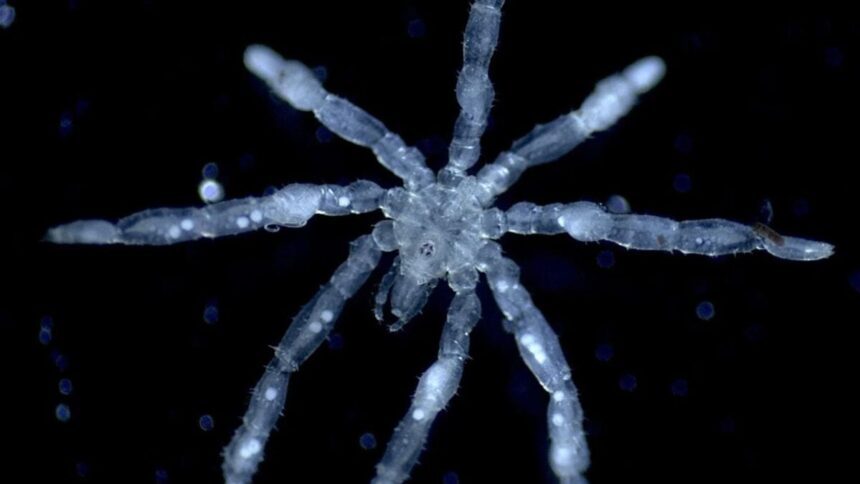
Researchers at the University of British Columbia in Canada have been exploring the waters of the Salish Sea in the Pacific Northwest. In a recent study, they described finding two new species of sea spiders in the area, both of which have unique features. One boasts red eyes, hairy legs, and a three-lipped mouth, while the other, a parasitic critter, was found with its own tinier parasites.
The team’s work “is a testament to how effective targeted sampling efforts, such as scuba diving, can be for discovering new species,” lead study researcher Cormac Toler-Scott told Gizmodo.
Unexplored sea spider life
Sea spiders belong to the branch of life known as chelicerates, a broad group of arthropod life that also includes spiders and other arachnids. However, they emerged roughly 500 million years ago, long before the arrival of the first true spiders, according to Toler-Scott. And unlike most chelicerates these days, these animals were perfectly content to stay in the water (horseshoe crabs are another marine cousin of theirs). Sea spiders are also called pycnogonids.
There are many species of sea spider out there waiting to be classified, yet scientists only discover a few every year, Toler-Scott says. Practically speaking, that’s because they tend to be tiny and cryptic animals, meaning that species in a region are hard to spot and often look very similar to one another, at least at first glance. But there are also not too many scientists worldwide actively studying these creatures, leaving even less opportunity for potential discoveries to be made.
The Salish Sea is an inland sea nestled between the Canadian province of British Columbia and the state of Washington in the U.S., and we know especially little about the sea spiders that call it home. Between September 2023 and August 2024, however, Toler-Scott decided to explore the area and collect specimens via scuba diving as part of his work to complete a master’s in zoology at UBC. Once on land, he and his team closely studied the specimens he found with microscopy and genetic sequencing.
Ultimately, the team’s study describes seven species of sea spider in the Salish Sea in detail (say that three times fast), including two previously never categorized species.
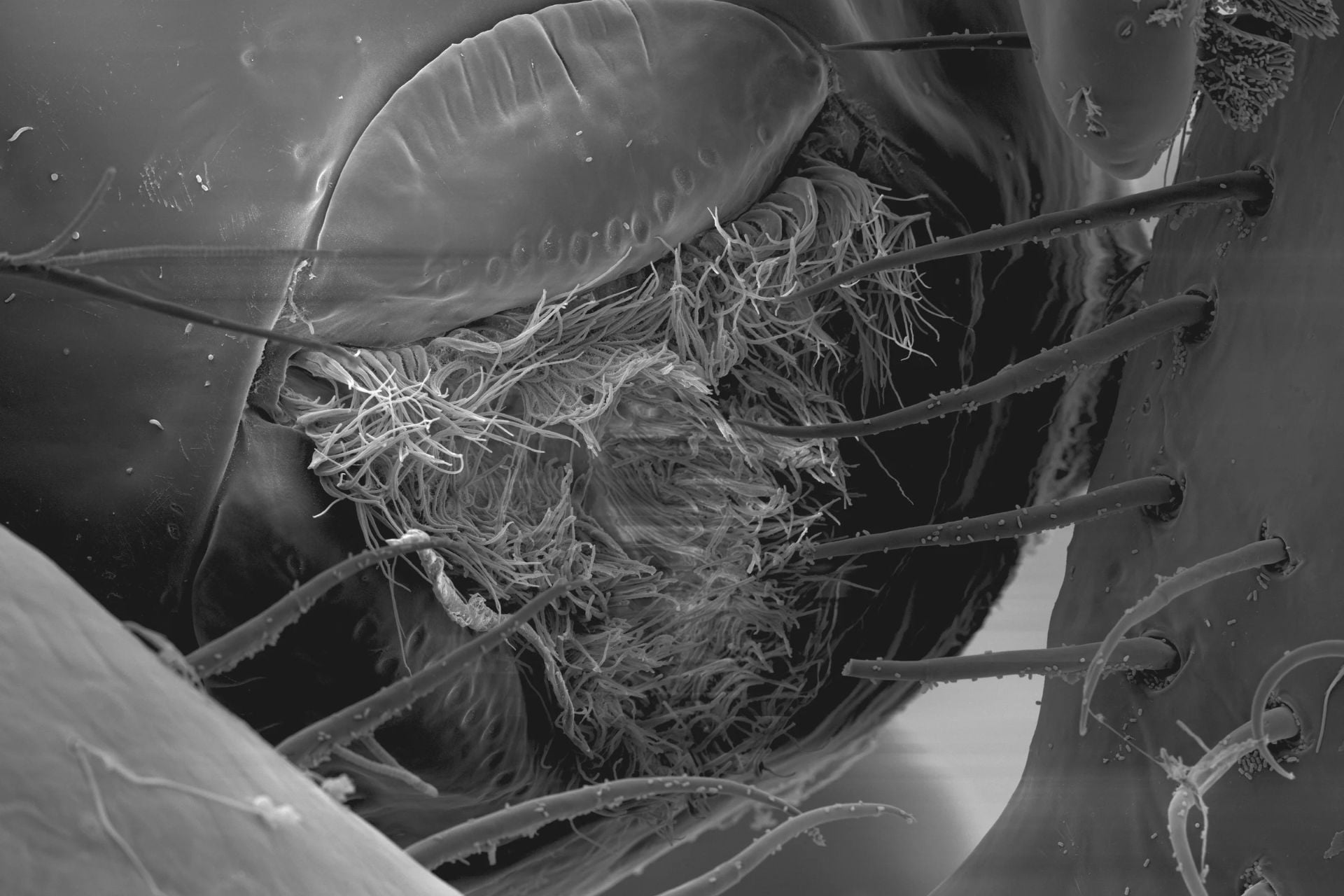
One is called Callipallene pilosuspedes, the latter name roughly meaning “hairy feet” in Latin. The hairy sea spider also has red eyes, a short proboscis with claws used to hold onto its food before a bite, and a three-lipped, triangle-shaped mouth covered in tendrils. UBC’s press release on the find calls this mouth a “tiny marine Sarlacc pit,” but I’ll leave it to genuine Star Wars fans to decide that for themselves. Under a microscope, the team also observed their sole C. pilosuspedes specimen using its ovigers—appendages that males typically use to carry fertilized eggs until they hatch—to actually groom themselves.
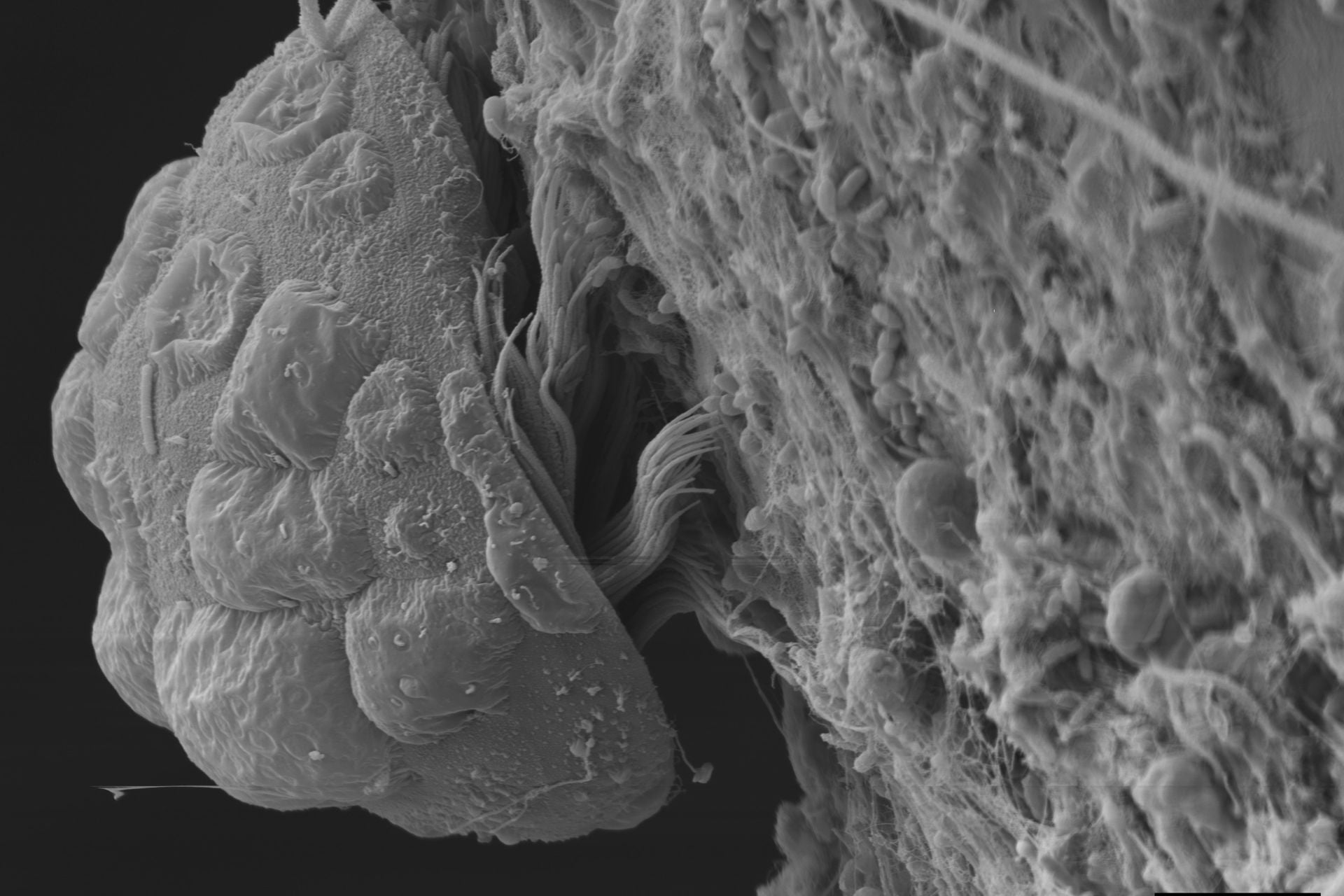
The second species is called Tanystylum kiixin and is named after the ancient Indigenous village site near where specimens were first collected. Kiixin is pronounced “kee-hin,” which is the sound that waves made at the base of the village site. Sea spiders are sometimes parasites of larger animals, especially the tinier ones living in shallow waters, but they can also have their own freeloaders. And the team spotted parasites on their newly described parasite. Unlike C. pilosuspedes, T. kiixin‘s smaller ovigers leave it less able to groom away its unwanted luggage.
The team’s work was published last month in the journal Organisms Diversity & Evolution.
Much more to find
The team also created an identification guide for other scientists exploring the Salish Sea to follow in the future. Yet these new species are likely only the tip of the sea spider iceberg. Because sea spiders and other invertebrates are vulnerable to pressures like climate change and other human-fueled disruptions, it’s all the more important to learn as much about these mysterious, long-surviving denizens of the oceans as we can, according to Toler-Scott.
“If a Masters student can find two new species of sea spider in one field season of SCUBA diving along the coast of BC, imagine how many undescribed species of marine invertebrates need to be documented before anthropogenic disturbance and climate change completely alter these marine communities forever,” he said.
Interestingly enough, a separate research team recently discovered that giant sea spiders living in the deep ocean are used as living taxis by other arthropods.
Read the full article here