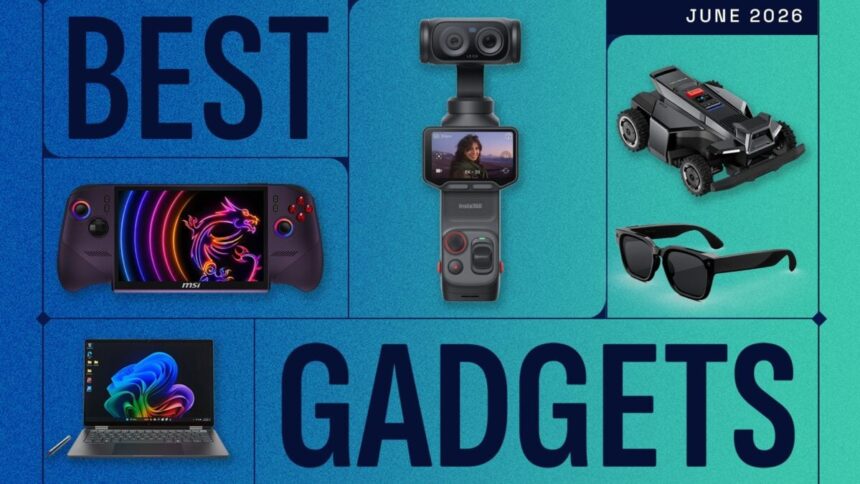
You’d think that the start of summer would mean a slowdown in gadget announcements, but that was simply not the case. We blogged live from Computex in Taipei and then hit up Apple’s WWDC in Cupertino to check out the new Siri AI and all of the “27” software updates coming this fall. And while we weren’t there in person, there were two major smart glasses unveils at Augmented World Expo (AWE), one that looks promising and the other that’ll make you look like an absolute dweeb.
There simply were too many newsworthy gadgets from June that we couldn’t include them all on this list. We recommend checking out our reviews and gadgets pages if you want to catch up on everything.
It’s nice to have new gadgets to look forward to, but if there’s one dark cloud that rained over this month (and will loom over it for the foreseeable future), it’s that prices for devices are going up—way up. Because AI data centers have snapped up the global supply for flash-based memory and storage, consumer tech companies are being forced to pay more to the companies making those components for whatever leftovers they can procure. Those increased component prices are being passed on to consumers, and as a result, even tech giants like Apple have had to raise prices. Some companies, like Xbox, have raised game console prices three times within the last year.
Hard not to feel any optimism for AI when it’s directly leading to technology becoming less accessible for those without deep pockets. Makes us wonder if the era of affordable consumer electronics is over.
Apple’s MacBook Neo sent a shockwave across laptop industry and now PC makers are responding. For the same $700, Dell’s XPS 13 comes with 8GB of RAM and 512GB of SSD storage—all wrapped up in a 2.2-pound aluminum body. The 2.5K-resolution touchscreen looks, too. Performance seems decent with a “Wildcat Lake”-based Intel Core 5 chip (you’ll get an Intel Panther Lake chip with incredible battery life) if you buy a more specced version. The trackpad gives us some pause, but overall, the XPS 13 looks like a real competitor.
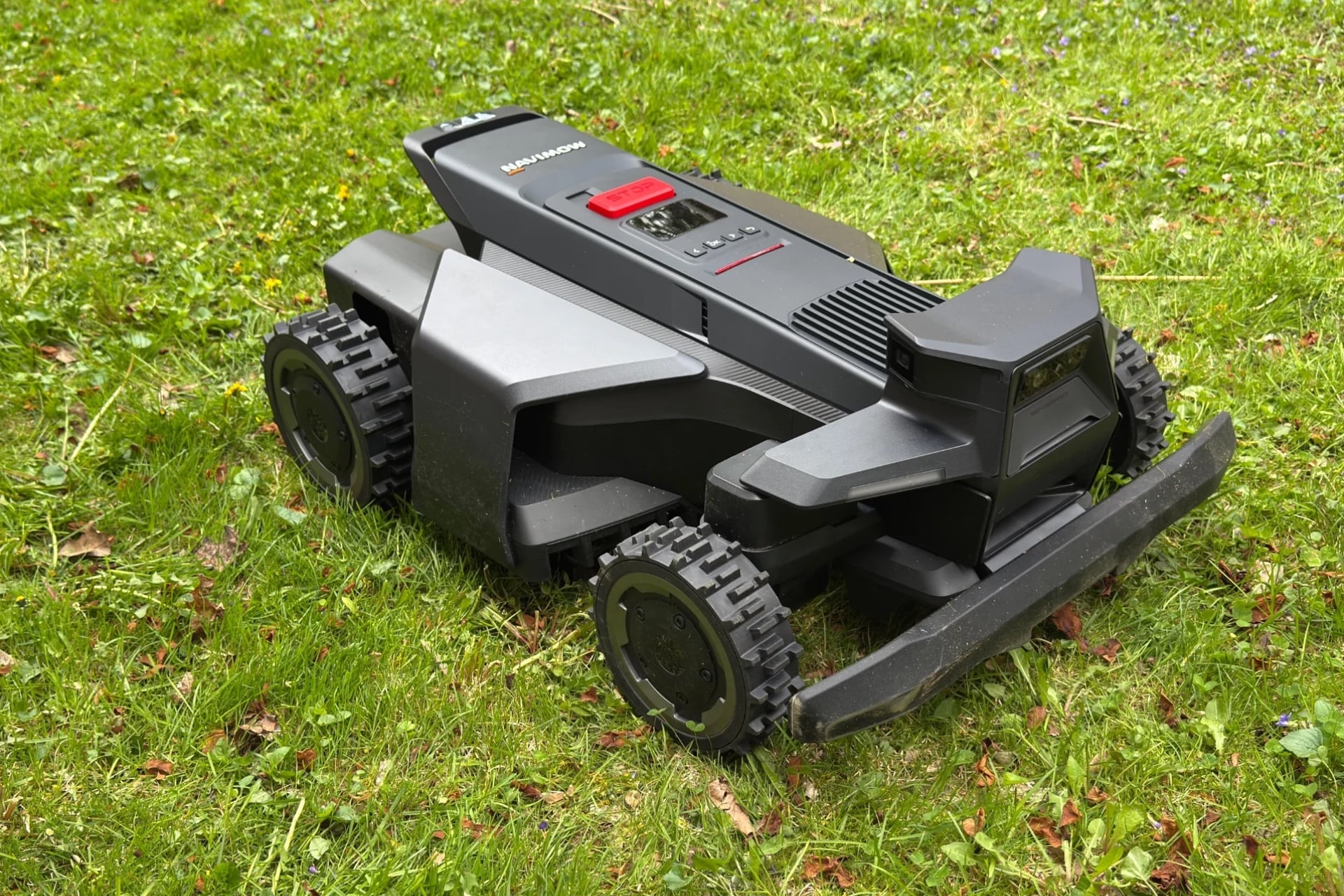
Robots aren’t just tending to the indoors of our rooms or windows or pools, they’re also mowing our lawns now. Wes Davis, our resident smart home reviewer, took a break from reviewing robot vacuums this month to check out the Segway Navimow X430 lawn mower robot. Yes, it’s the same Segway company that pioneered self-balancing scooters for mall cops to look like total dorks on. In all seriousness, the Navimow is a tank of a grass cutter. If you have a lawn and don’t enjoy mowing it, this might be the best $2,500 you’ll ever spend.
See Navimow X430 Robot Lawn Mower at Amazon
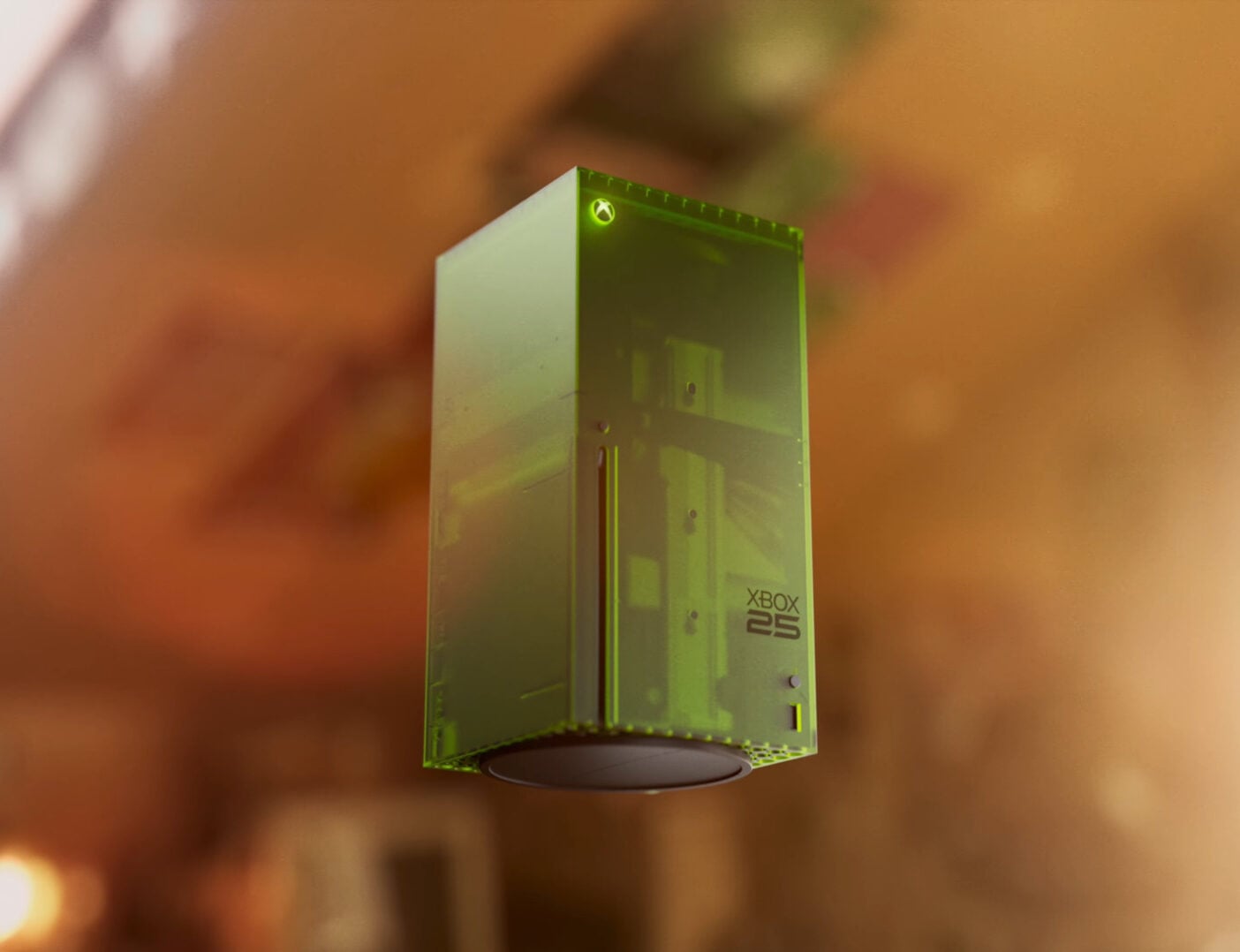
Xbox raising the price of Series S and X consoles for the third time in a year rightfully drew outcry from gamers far and wide. If a Series X is $750 (digital) or $800 (with optical drive), how much is Xbox going to charge for this sick version with a transparent green case that throws it back to the original Xbox? It has an optical drive so it’ll likely cost at least $800. The big question is whether there will be a premium on top of that for this 25th anniversary edition when it launches alongside the matching Xbox Wireless Controller X25 Special Edition controller.
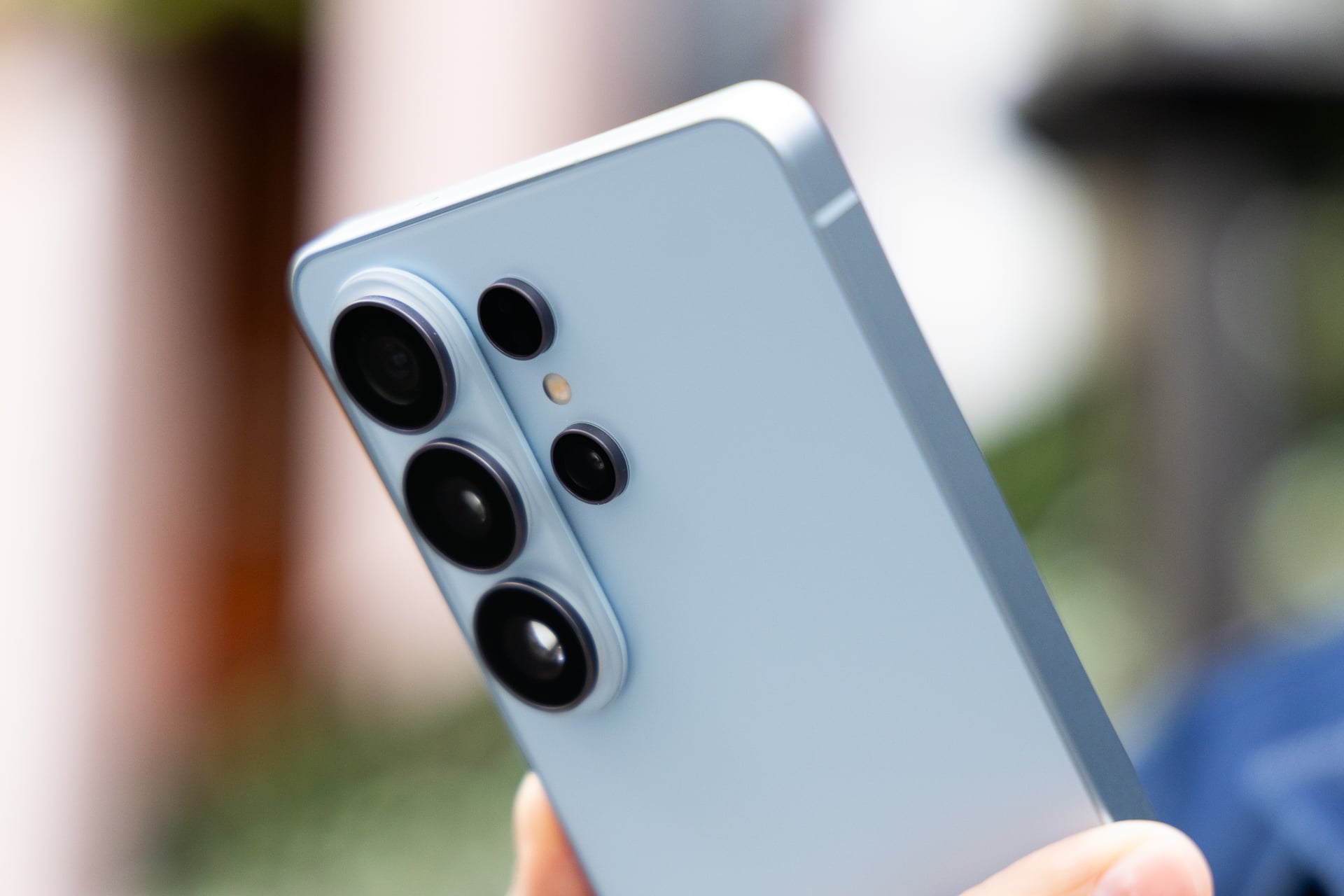
We know that our review was four months late, but we had a few good reasons. First, we didn’t get the automated app action feature until earlier this month. And second, you don’t know how much impact features like the new Privacy display and Galaxy AI suite will have on your day-to-day until you have spent more than a week with them. In our case, they were nice and convenient at times, but none were truly game-changing. At the end of the day, Samsung’s Galaxy S26 Ultra is still the best premium Android phone for most people, unless you can get access to the vastly superior “Pro” and “Ultra” models from the likes of Xiaomi, Oppo, and Huawei, all of which have camera systems that are miles ahead.
See Galaxy S26 Ultra at Amazon
See Galaxy S26 Ultra at Samsung.com
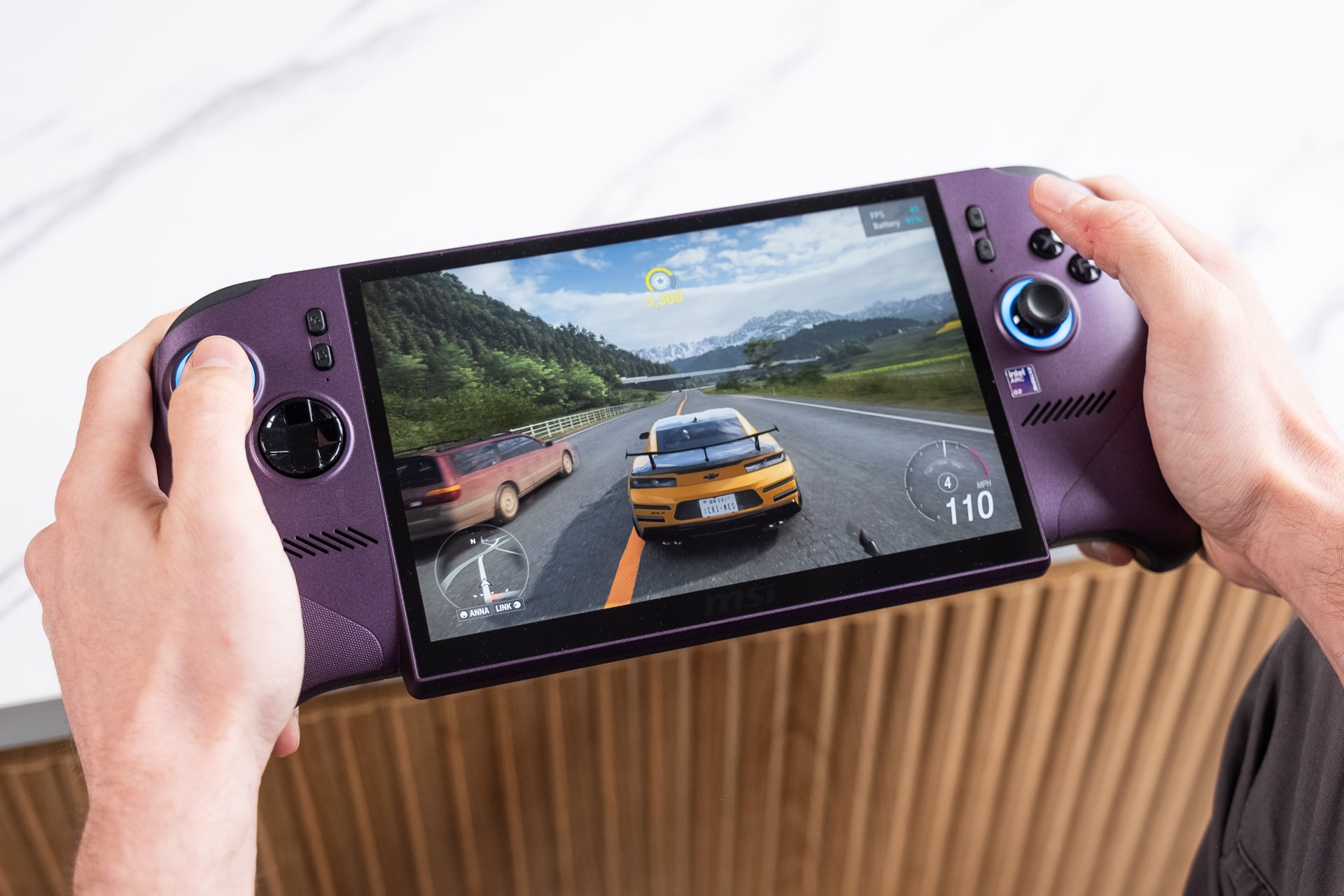
If you want to play Nintendo games, the Switch 2 is the only handheld in town to do so. But if you’re looking for the best PC handheld with the performance to run your games at great-looking graphics and high frame rates, you’re going to need to spend big to get it all. Like $1,800 big, because that’s how much the MSI Claw 8 EX AI+ costs. According to our own Kyle Barr, the monstrous handheld is worth it. Whether or not you think so depends on if you have close to $2,000 to drop on a handheld.
See Claw 8 EX AI+ at Best Buy
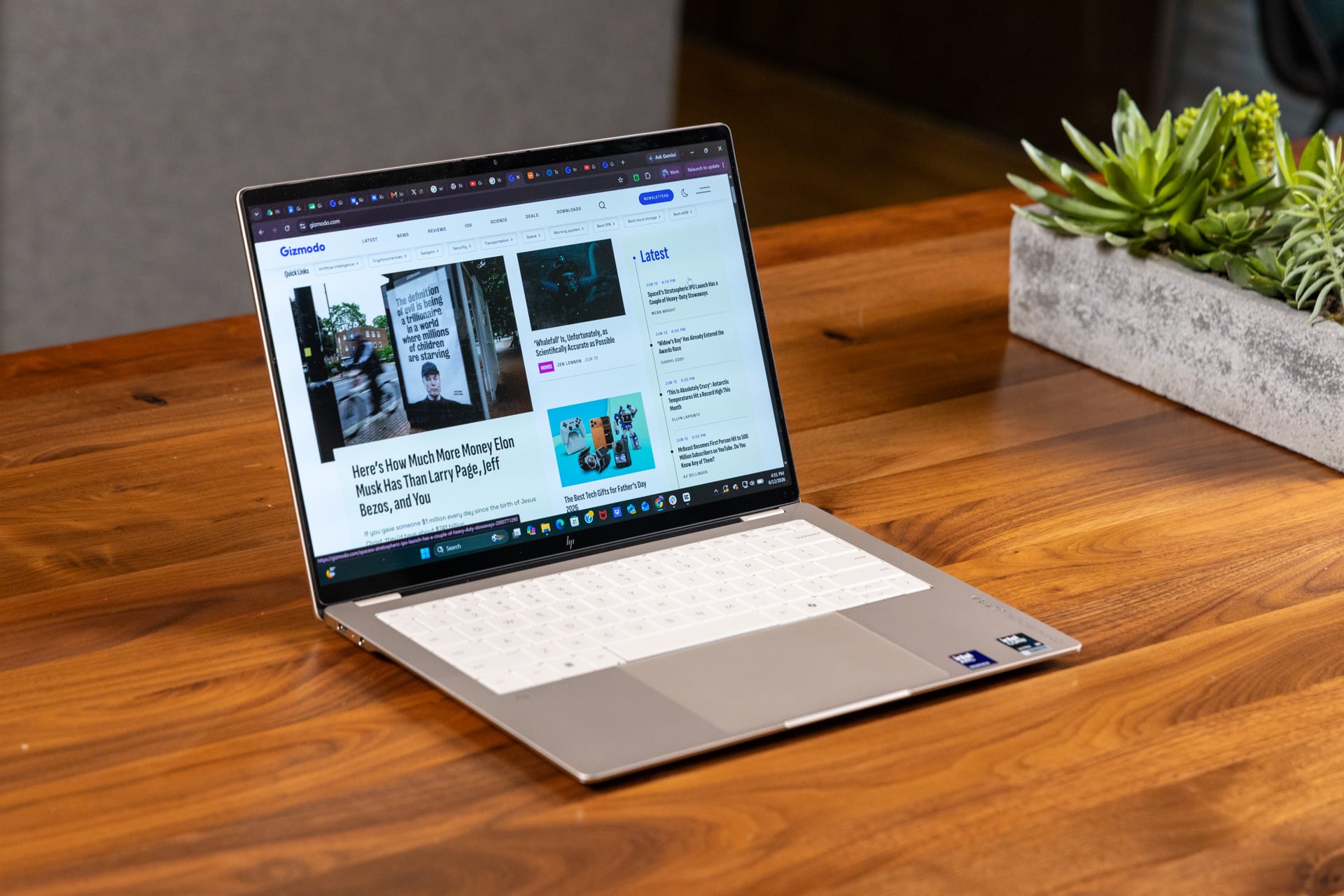
Another notable laptop for June was the HP OmniBook Ultra 14. The thin and light 14-incher has one of the nicest screens—a 3K-resolution OLED touch panel—with inky blacks and deep contrast that we’ve ever seen on a clamshell computer. Performance is solid and the speakers are good for the size.
See HP OmniBook Ultra 14 at Best Buy
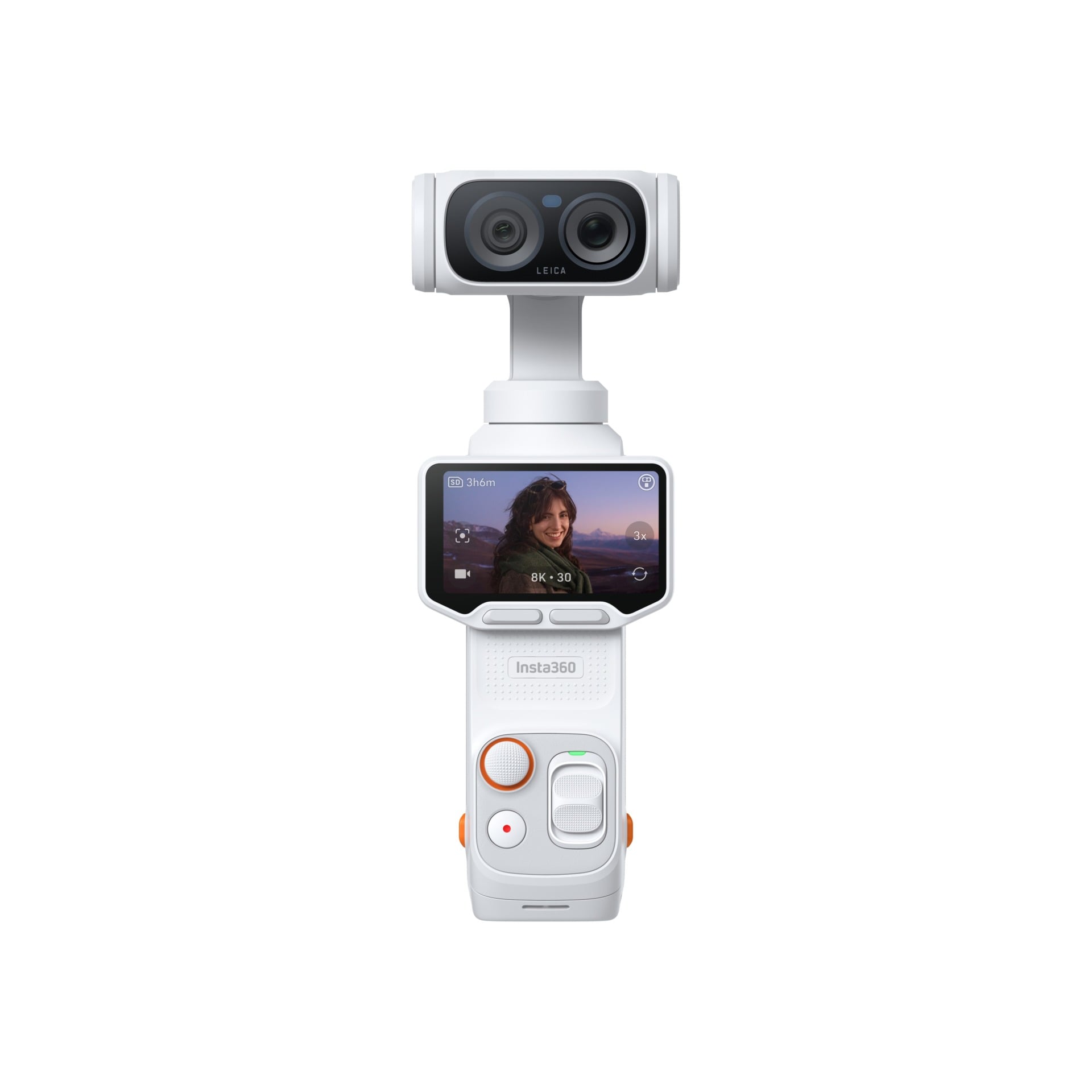
DJI hit a home run with the Osmo Pocket 3 and now rival Insta360, best known for its 360 cameras, has a competitor that might knock it off its throne. The dual-lens Luna Ultra has a 1-inch sensor with Leica Summicron lens capable of shooting 8K resolution at 30 fps. The second lens is a 1/1.3-inch telephoto with up to 6x lossless zoom and 12x digital. But what differentiates the Luna Ultra is that its 2-inch OLED touchscreen detaches and can be used as a remote control and as a microphone for voiceovers. And that’s not even all of it. You can also attach accessories like an LED light for extra luminance when you’re vlogging.
See Insta360 Luna Ultra at Amazon
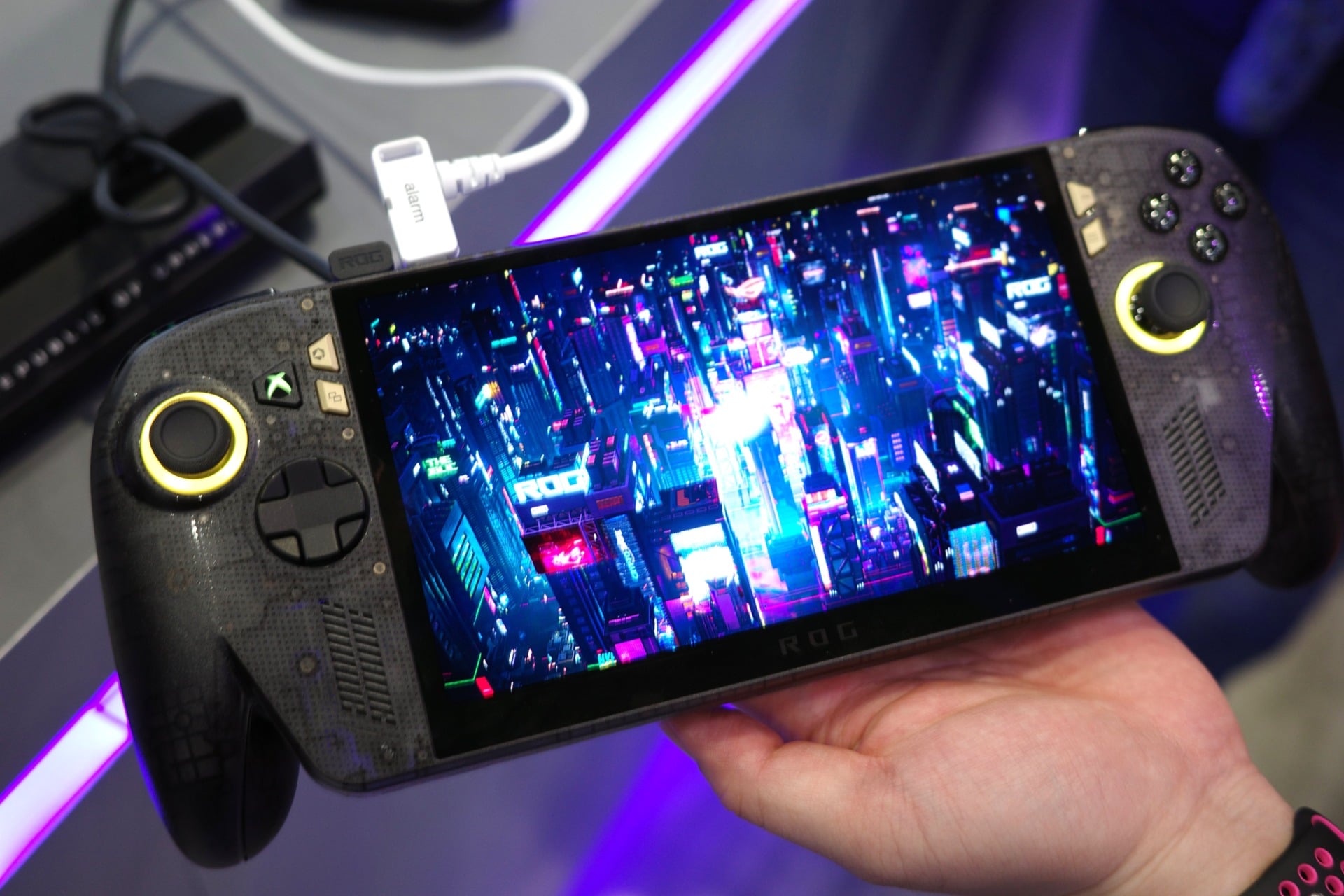
To celebrate 20 years of its Republic of gamers (ROG) gaming brand, Asus is releasing the Xbox Ally X20, an upgraded model of the Xbox Ally X. Improvements include a larger 7.4-inch OLED screen that’s also significantly brighter at 1,400 nits versus the regular Xbox Ally X’s 500 nits. The only downside is that Asus is only selling the handheld as a bundle with the ROG Xreal R1 AR glasses. No word on pricing, but we’re estimating it’ll cost close to $2,000 based on the prices of both the R1 glasses ($850) and the regular Xbox Ally X ($1,000). But OLED!

They don’t have the Ray-Ban branding, but by all accounts, Meta’s Fury AI glasses are better in every way. They’re $80 cheaper than the cheapest Ray-Ban Meta AI glasses, the camera and LED light holes are smaller, and the nose pads and arms have several degrees of adjustability for additional comfort. The charging case folds flat, too. The rest of the specs are the same as the Ray-Ban AI glasses, but we have no qualms with that. The best part is that Meta AI, powered by the more intelligent Muse Spark model, is actually useful compared to the old Llama 4-powered version, which means you can actually do real computer vision stuff and quickly. All that being said, the privacy is still a major concern, and Meta’s track record has not been great.
See Meta Fury at Amazon
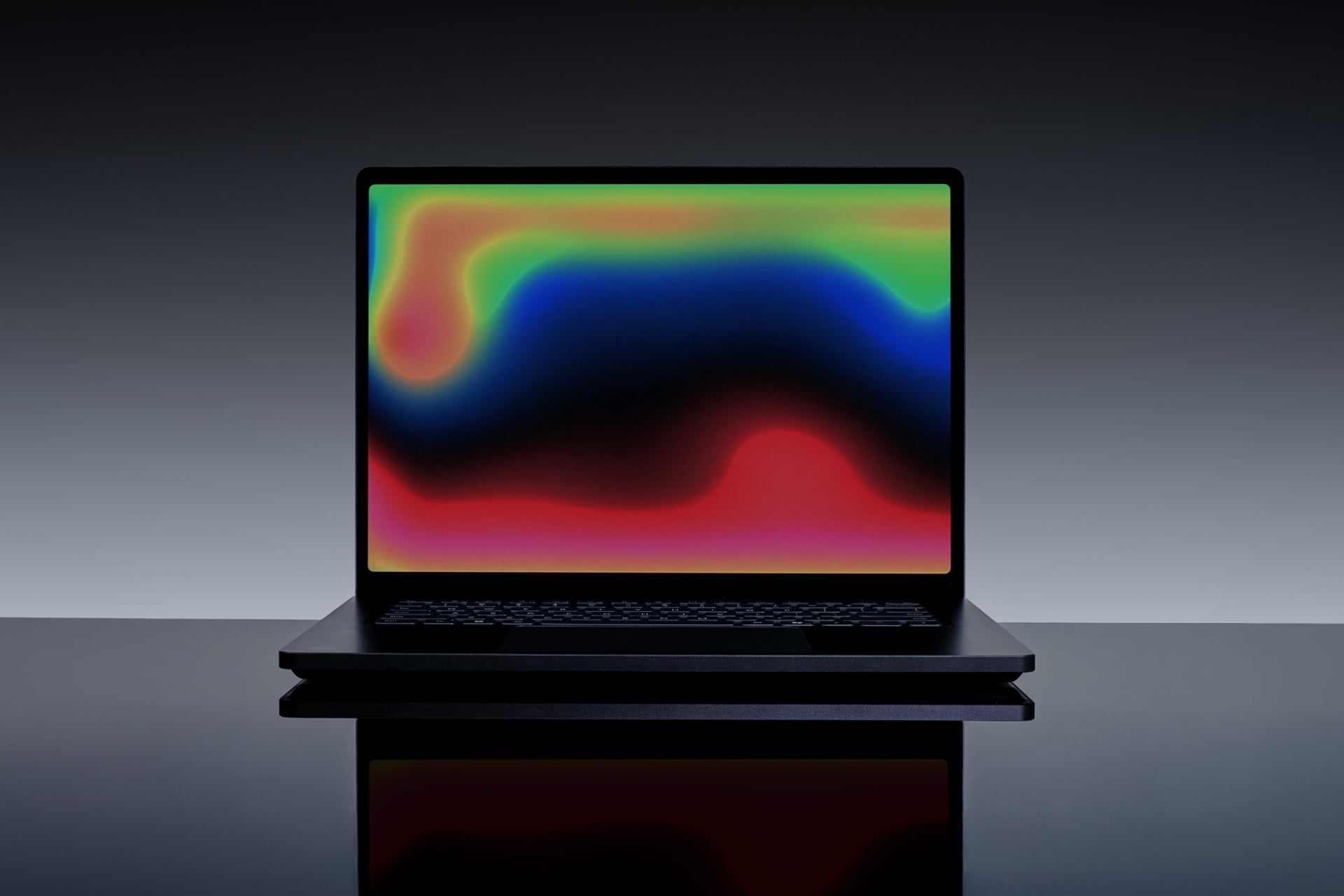
Microsoft is boasting that the Surface Laptop Ultra, launching this fall, is the most powerful Surface that it has ever made. At the center of all that power is Nvidia’s new ARM-based RTX Spark chip, which contains 20 CPU cores, and a Blackwell-based GPU with 6,144 CUDA cores. It’s a beefy laptop that weighs a whopping 4.5 pounds, but the all-metal design, 15-inch mini LED touchscreen, and plethora of ports should give you something to drool over. Expect it to cost a small fortune, though.
Read the full article here