

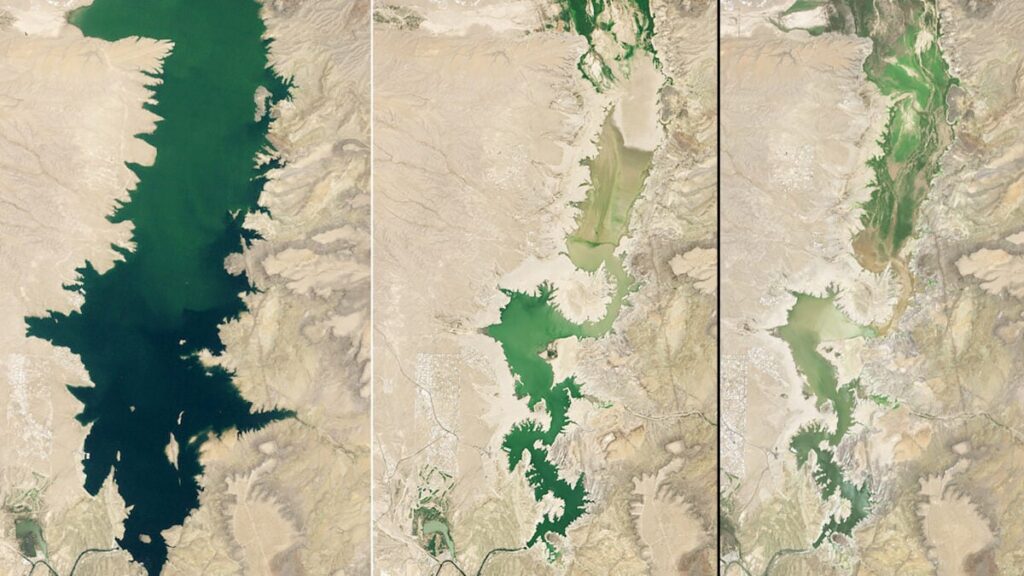
An 87-mile-long (140-kilometer-long) stretch of the Rio Grande is so bone dry right now that some local farmers haven’t been able to irrigate their crops in the past two months. And, as soon as next year, the fate of that billion-dollar industry is also coming for portions of the approximately 15 million people who depend on the Rio Grande for the water flowing through their taps at home.
But another way to look at the scope of this problem is that it’s visible from space. Several years of extreme drought—accelerated this year by the earliest snowmelt on record high up where the Rio Grande begins in the southern Rockies—has reduced the…
Read the full article at GIZMODO.COM