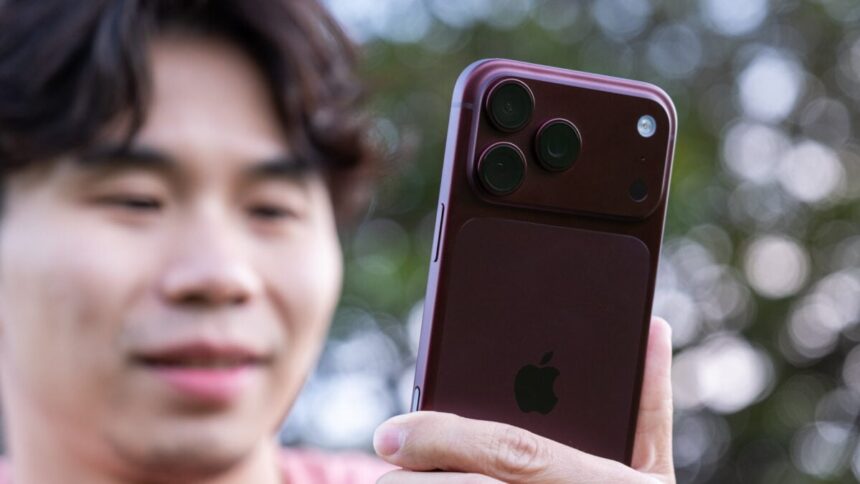
How do you top the iPhone 17 Pro and 17 Pro Max, Apple’s two best—from a features standpoint—smartphones ever made? The iPhones that I called “practical perfection” with ”no compromises” because they put function before form? Not with one specific new feature, but with a bunch that really add up to an even better “Pro” iPhone experience.
Somehow, Apple has added even longer battery life for both the iPhone 18 Pro and 18 Pro Max, with the smaller model now lasting nearly as long as last year’s biggest iPhone 17 Pro Max and the new larger phone almost impossible to deplete even with two full days of moderate use. Both new iPhones also have a new “variable aperture” main camera lens for more creative control and better low-light shooting, along with several camera settings, including manual-shooting controls and processing, that do not feel gimmicky. Performance from the A20 chip is monstrous, easily lapping flagship Android phones in speed and responsiveness, and without throttling or getting hot thanks to a larger vapor chamber than ever before.
Not to mention, the iPhone 18 Pros have a smaller Dynamic Island. And three new colors, including the classy Burgundy, sleek Black, and relaxed Glacier, all with color-matched glass backs this time. It also comes in Silver, but it’s so basic. And if you’ve got the money to spend, you can pony up for a 2TB storage option, which is now available for both models, not just the Pro Max.
iPhone 18 Pro and 18 Pro Max
As far as I’m concerned, Apple’s iPhone 18 and 18 Pro Max are its “Ultra” phones.
- Monstrous performance
- Larger vapor chamber
- Incredibly long battery life
- Terrific overall cameras
- Variable aperture on the main camera is legit
- Manual camera controls
- Smaller Dynamic Island
- Classy Black and Burgundy colors
- Same easily bruisable aluminum
- Camera Control doesn’t support any of the new manual camera settings
As I have done every September for the past 16 years, I spent a week testing the new iPhones. Are they worth spending $1,199 for the iPhone 18 Pro and $1,299 for the 18 Pro Max, respectively? Do all of the new features justify the $100 markup over the iPhone 17 Pros? The answer is unequivocally “yes,” and it would be even with half as many new features. Not even Siri AI can ruin the iPhone 18 Pros, because the LLM-powered assistant is actually good now.
Unmistakably ‘pro’
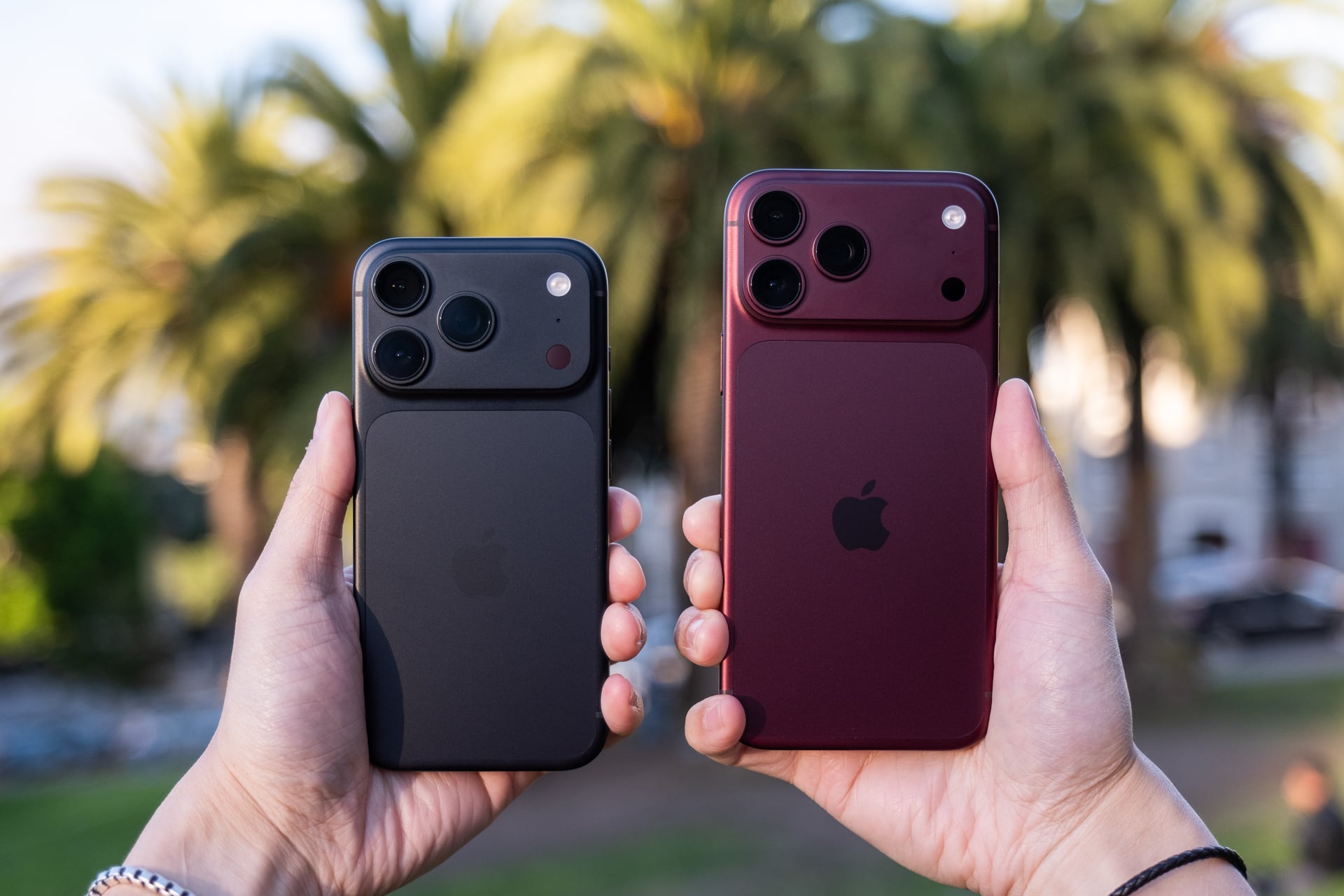
As far as touchscreen bar-style phones go, the iPhone 18 Pros are very metal and very slabby. That is to say, they look nearly identical to the iPhone 17 Pros they’re replacing. The body is made of unibody aluminum with a raised camera “plateau” for the triple 48-megapixel camera system and also has a satin-glass cutout made of Ceramic Shield for wireless charging.
On paper, the iPhone 18 Pro is 5g heavier than the 17 Pro and the 18 Pro Max is 16g heavier than the 17 Pro Max. I’m typically sensitive to the slab in my pocket getting heavier, but Apple balanced the weight increase across the devices so well that it doesn’t feel like you’re gripping an ever-heavier brick in your hand all day long. This is why specs don’t tell you everything, and hand-feel still matters.
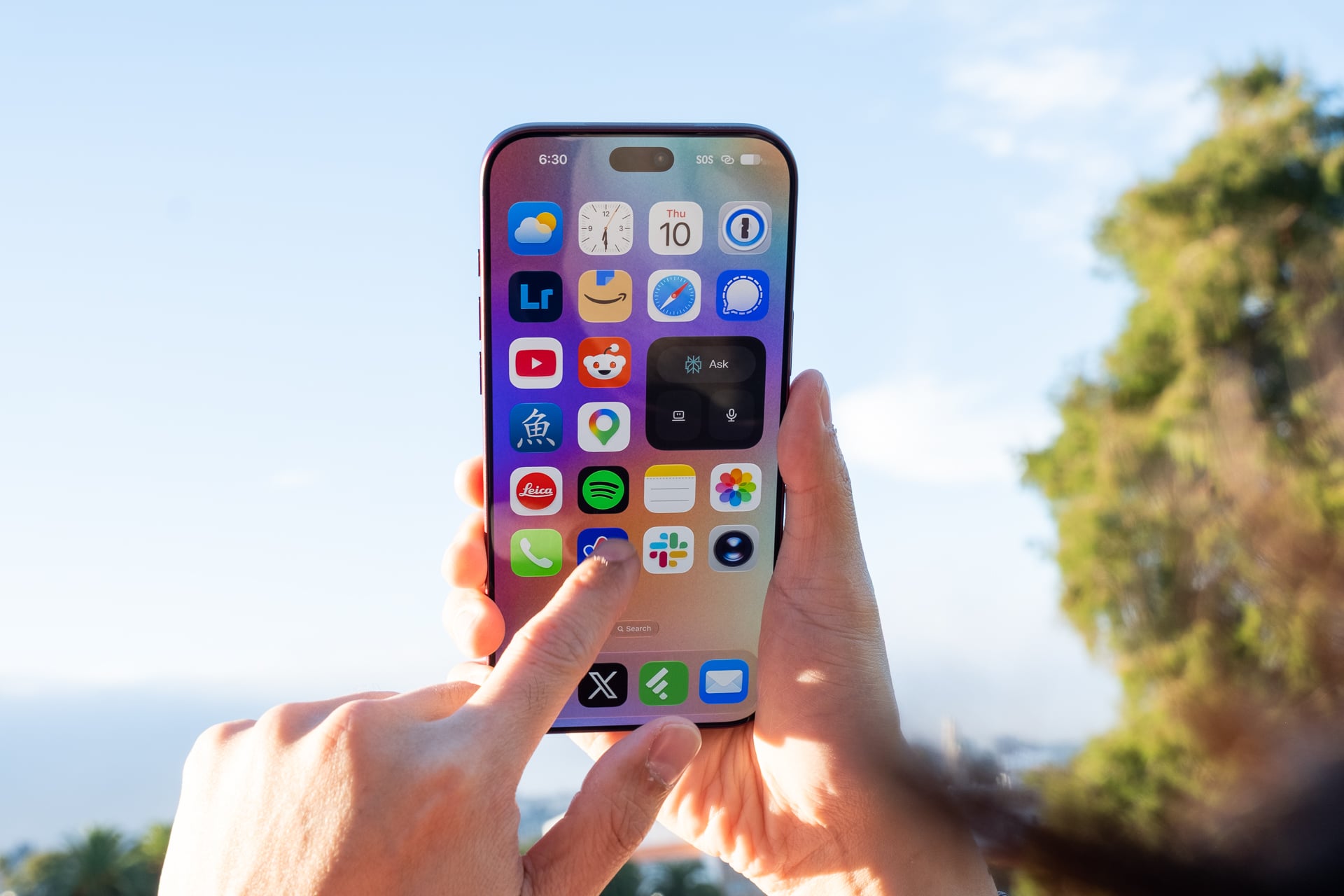
The displays—6.3 inches on the iPhone 18 Pro and 6.9 inches on the 18 Pro Max—are as bright, sharp, vibrant, and responsive as ever. Other flagship phones tout higher peak brightness, but I don’t think anyone will look at the screens here and say they’re not bright enough. The big change to the screens is the smaller Dynamic Island, the oval cutout at the top. It’s now about 25% smaller and can display three Live Activities at once. Apple achieved this by moving the Face ID infrared sensor to under the display in the upper left corner. It’s nearly invisible to the eye unless you press your nose up against the pixels and doesn’t impact viewing in my experience. What’s even more interesting to me is how Apple is clearly laying the groundwork for hiding all sensors and cameras on the display to get closer to a true “all-screen” front without any Dynamic Islands or notches. (Might such a screen launch for the rumored 20th anniversary iPhone next year?)
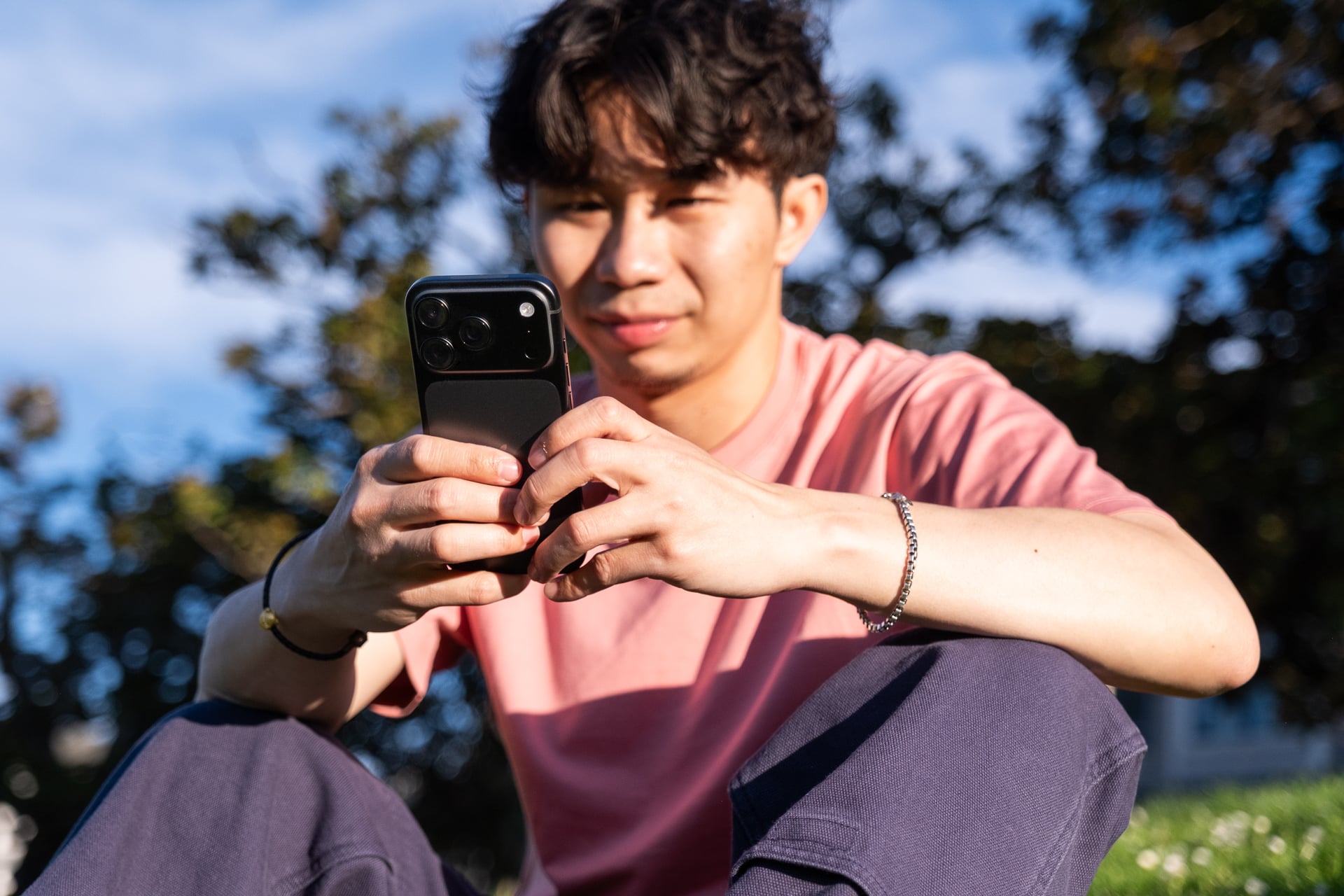
The matching glass back cutouts and aluminum look better than the previous two-tone design. As I said last year, in a non-clear case, nobody will ever notice. Black is my favorite new color because it’s actually black and not another variant of Apple’s favorite “Space Gray.” It’s a stealthy throwback to the black iPhone 7. I can only wonder what a “Jet Black” version, with the same polished finish as the iPhone 7 model, of the iPhone 18 Pros could have looked like. That was my favorite black-colored iPhone of all time. Burgundy quickly grew on me after a few days because of how it looks under different lighting. It can appear darker or lighter. Both colors have a downside, though: they pick up fingerprints very easily and wiping them off will require a quality microfiber cloth and some elbow grease. Glacier and Silver have no long-lasting impression on me—they’re mid. Fight me in the comments!
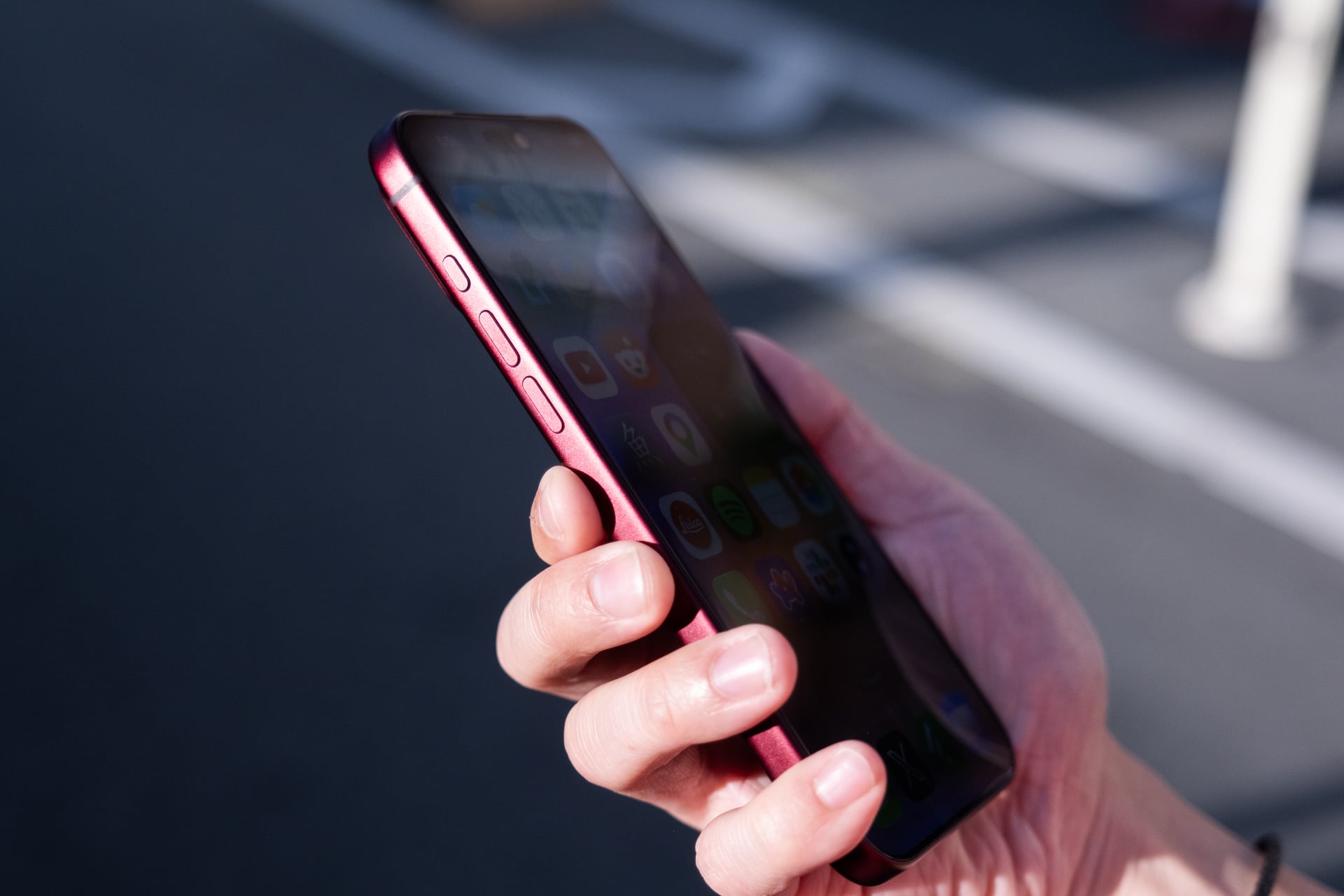
Maybe the only thing I wanted to see improved on the iPhone 18 Pros was the durability of the aluminum. While the metal is great for spreading heat away from the A20 chip, it bruises more easily compared to titanium or stainless steel. I confirmed with Apple that the iPhone 18 Pros use the same 7000-series aluminum as the 17 Pros, which means drops will likely sustain the same visible chips, dents, and any other physical damage as before. In the two years that I have used my personal iPhone 16 Pro, I’ve dropped it more times than I could count, and the titanium has barely any scratches or scuffs, despite being caseless. Get a case if you’re worried about damage, especially if you’re purchasing through Apple Upgrade, which is a lease that doesn’t include Apple Care. As usual, Apple sent me a few of its official cases to try (a TechWoven case for the iPhone 18 Pro and a silicone and clear case for the 18 Pro Max); Casetify also sent me its Impact and Ultra Impact cases. They all add some extra heft, but you will get protection for the corners, which are the most common place for bruising.
See iPhone 18 Pro and Pro Max at Apple
The best camera in your pocket
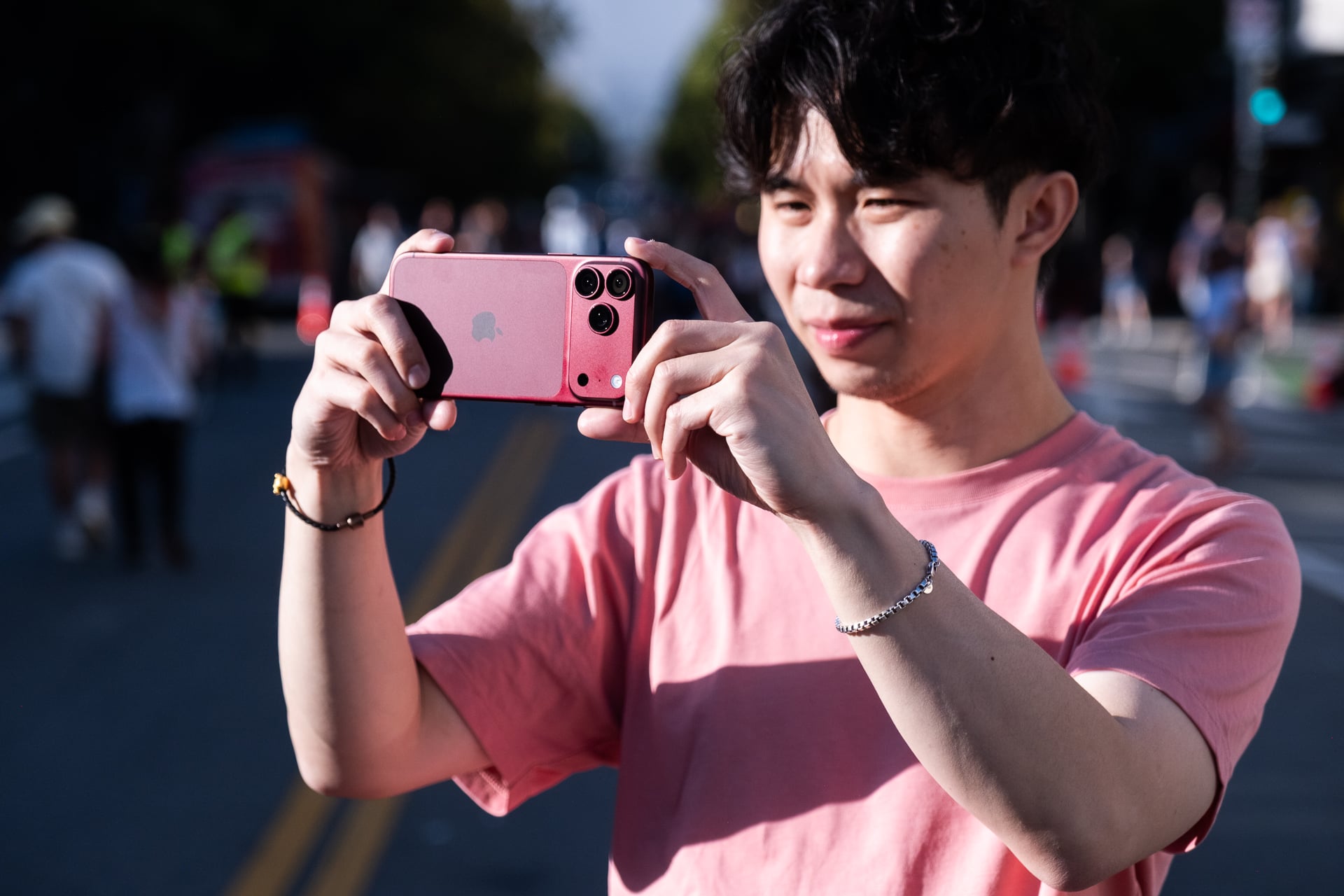
Best is subjective. What makes the camera in a specific phone the best? Is it the sharpest image quality? Having the biggest image sensors with the most megapixels? The longest zoom? All the AI enhancement and Gemini-powered camera modes in the Pixel 11 phones? As much as I like certain features and aspects about the cameras on Android phones, the iPhone has always been my “best” phone camera for a very simple reason: Apple stays true to photography.
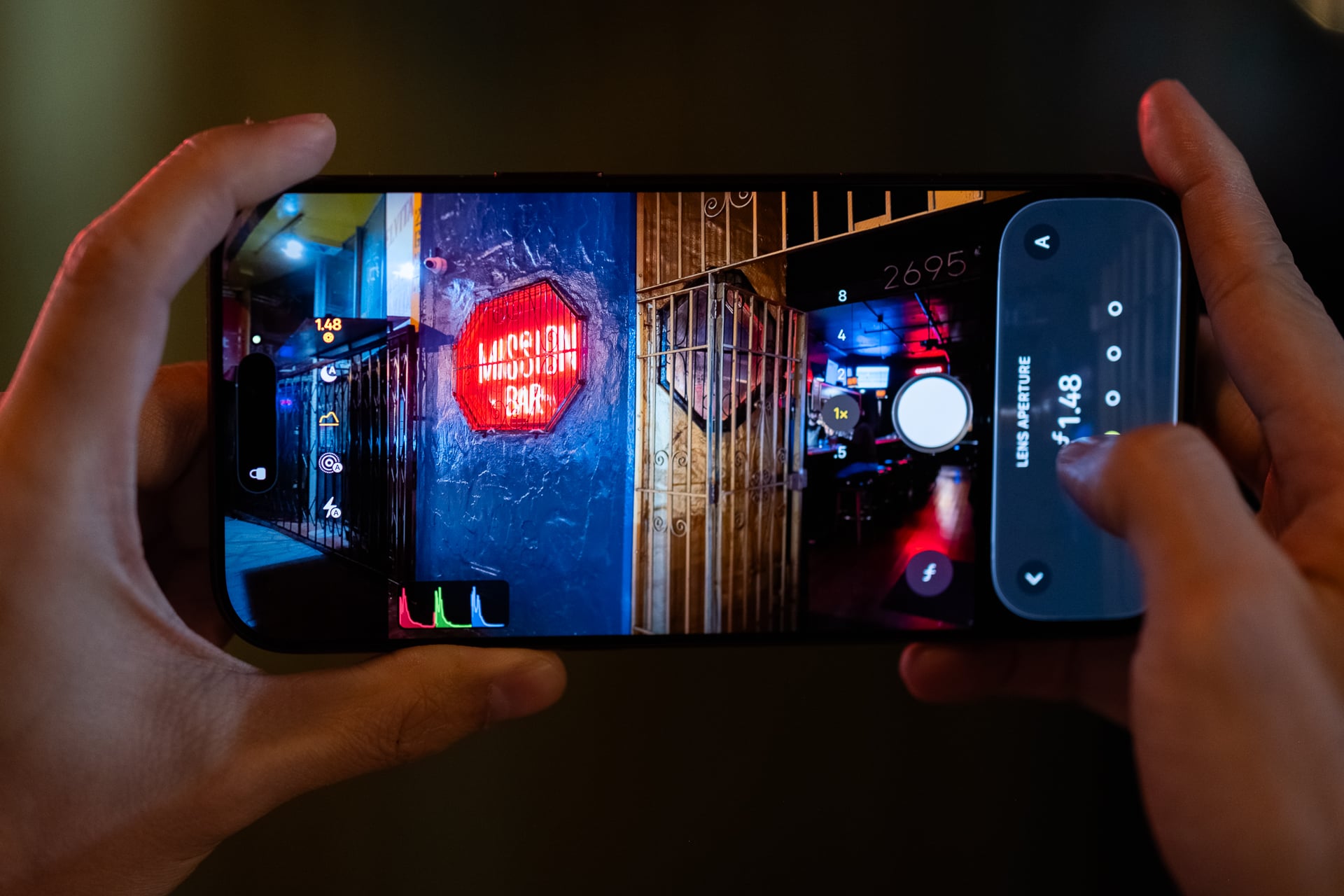
On the iPhone 18 Pro and 18 Pro Max, Apple has added a “variable aperture” to the main 48-megapixel lens. For non-photography geeks, this means the lens has individual blades that mechanically widen to let in more light or narrow to reduce light. With a variable aperture and the lens wide open, you can take better photos and videos in low light and also not have to hold your hand steady as long for Night Mode shots. A variable aperture gives you more control over depth of field in a photo; set it wide open and you’ll get more background blur (bokeh) or closed to its smallest for less.
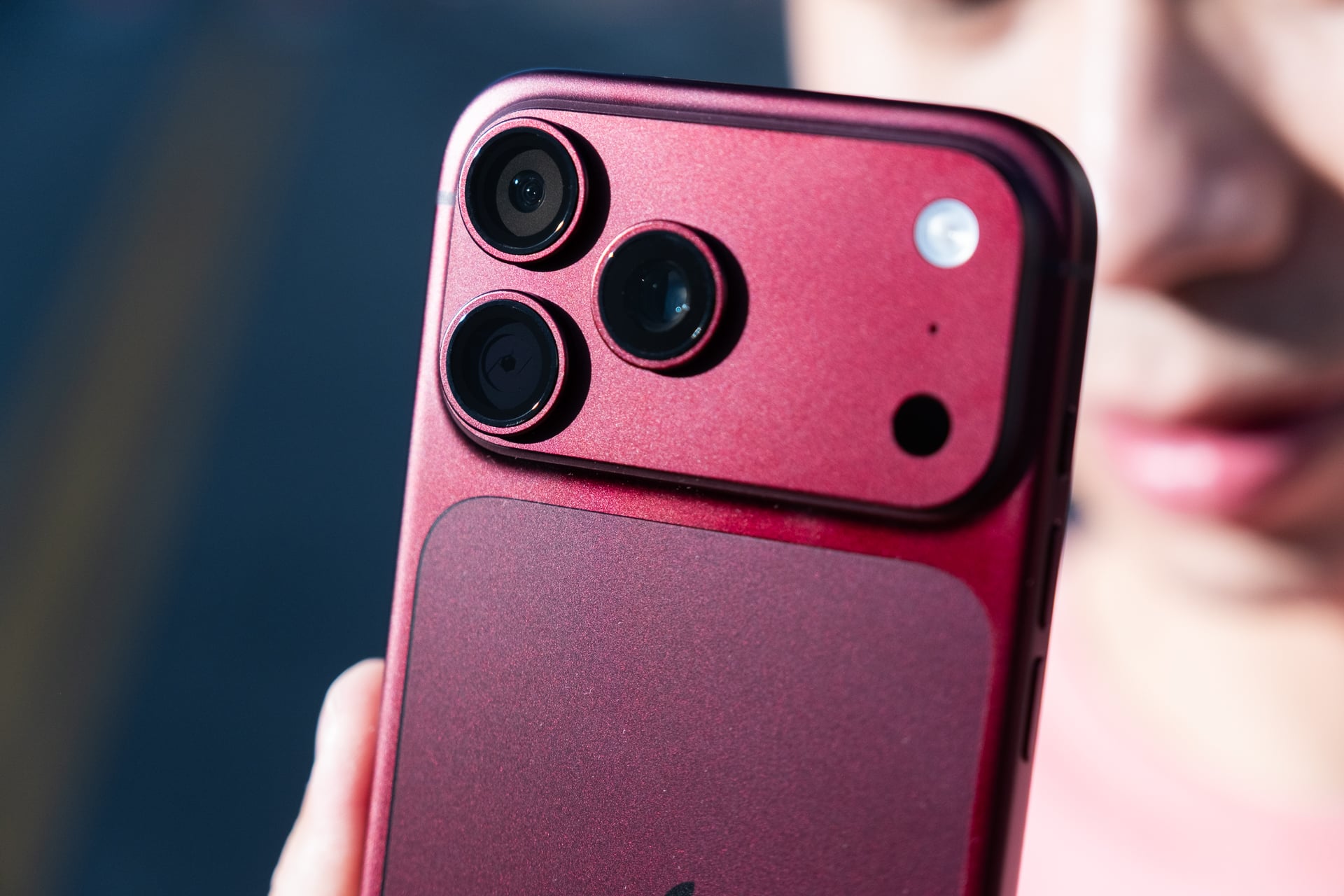
Yes, Samsung had a variable aperture on its Galaxy S9, Note 9, and S10 series phones. But the combination of small image sensors and two-aperture settings meant the photo results were negligible. Apple’s version comes eight years later, but it’s better implemented in every way, with four aperture settings (measured as “f-stops” as f/1.48, f/1.8, f/2.8, and f/4.0) where you can actually see a difference in bokeh between each. Not only that, but the blades of the aperture as you close them down (higher f-stop) also create star-shaped lens flares around lights, reminiscent of what you might get from traditional camera lenses. Apple brought real properties of traditional DSLR and mirrorless cameras to the iPhone.
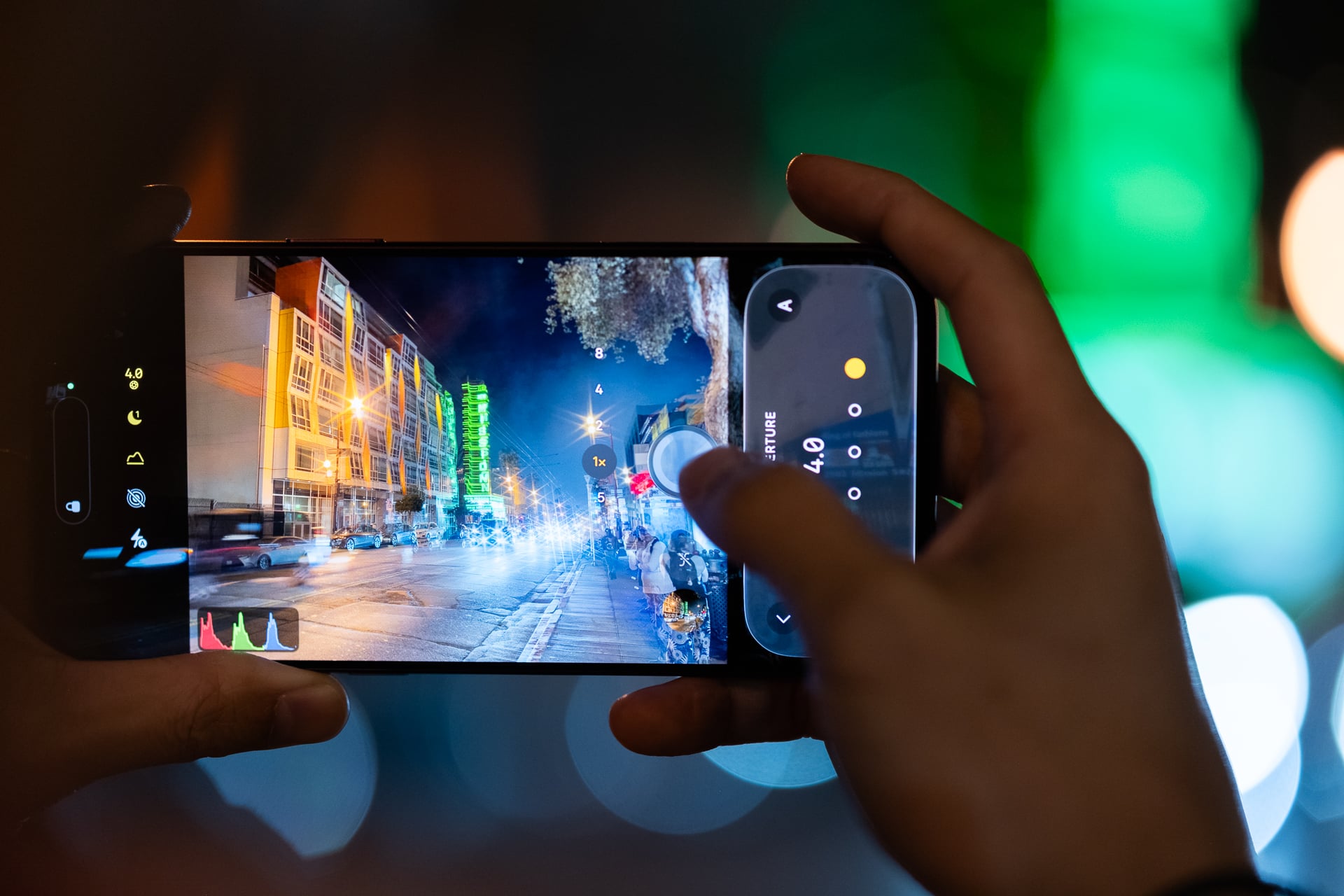
By default, the variable aperture is set to auto mode, and the camera app will choose the best aperture for a scene. If you know nothing about photography or have no interest in learning about it, you don’t need to do anything but point and shoot. Auto is supposed to detect when and by how much to open and close the aperture based on a scene or how close you are to a subject. In my testing, I found that the camera preferred to shoot at f/1.8 for close-up photos or f/1.48 in low light; it rarely selected f/2.8 or f/4.0 for these scenarios.
For example, in a close-up shot of several figurines, I wanted them all to be in focus, which would have meant shooting with a narrower aperture (higher f-stop). Instead, the iPhone 18 Pro chose the second widest f/1.8 aperture, focusing on the closest figurine while blurring out all the ones in the back.
Below are the four photos of the figurines, where I manually set the aperture to f/1.48, f/1.8, f/2.8, and f/4.0 (clockwise from top left):

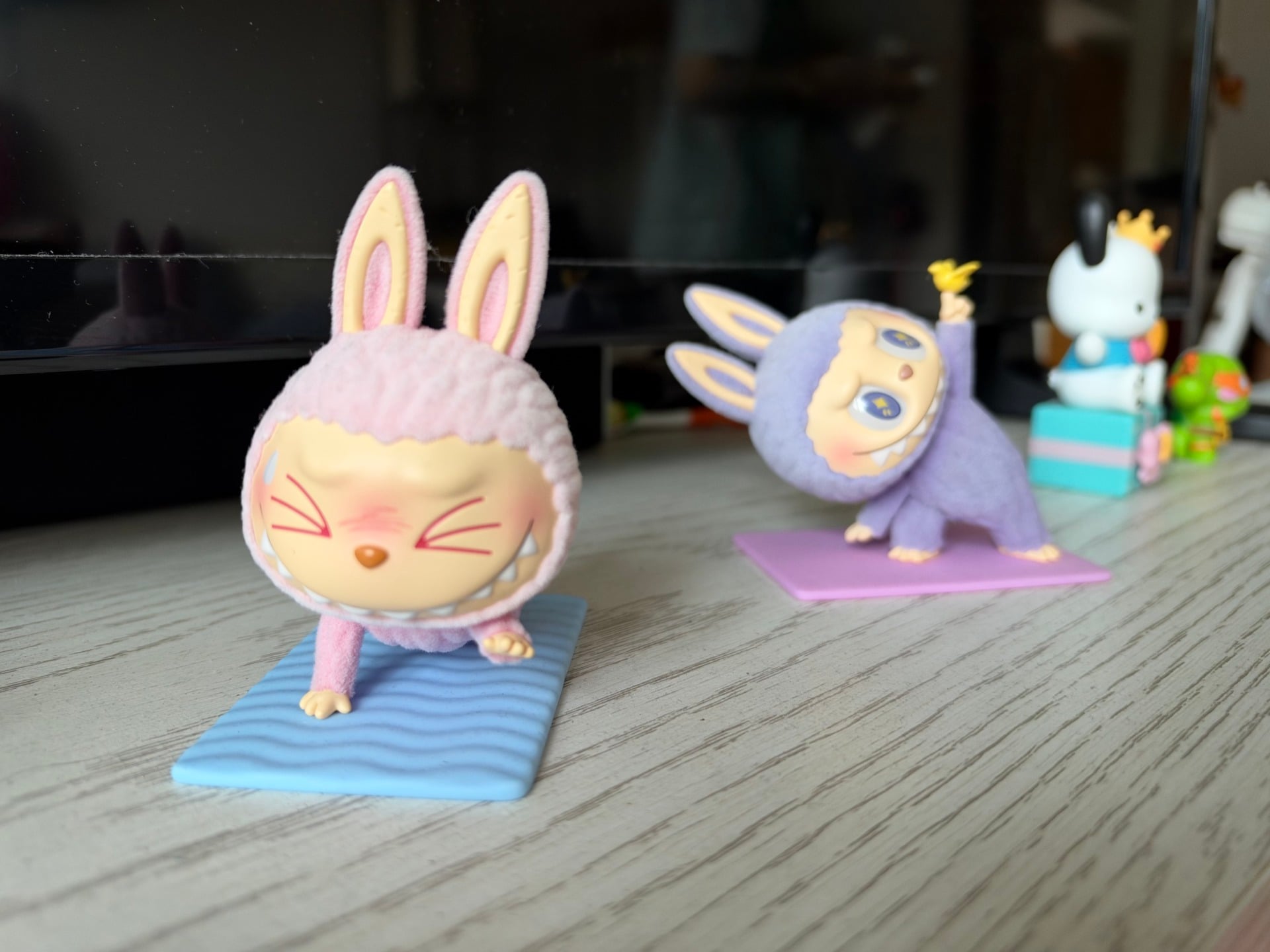
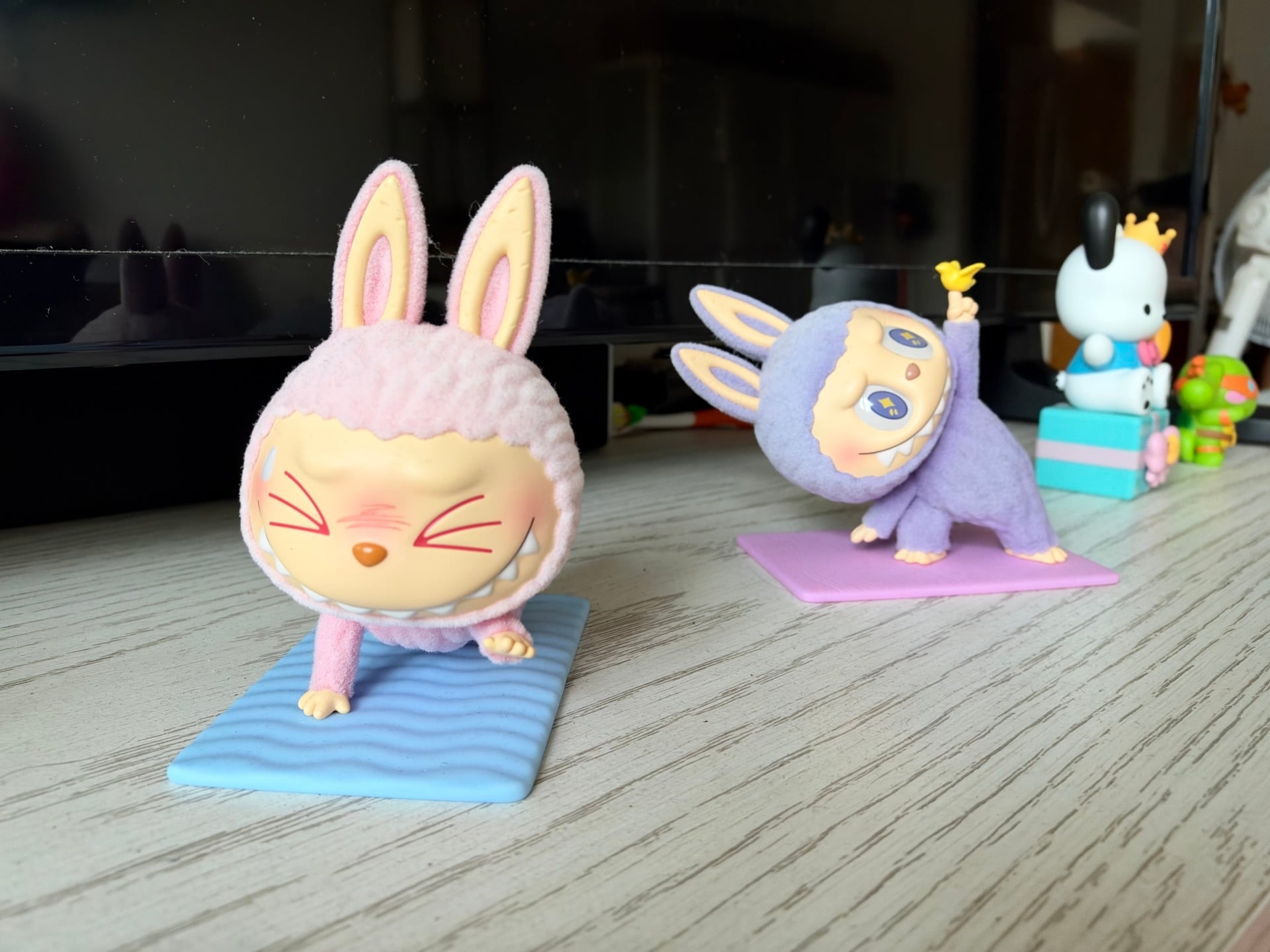
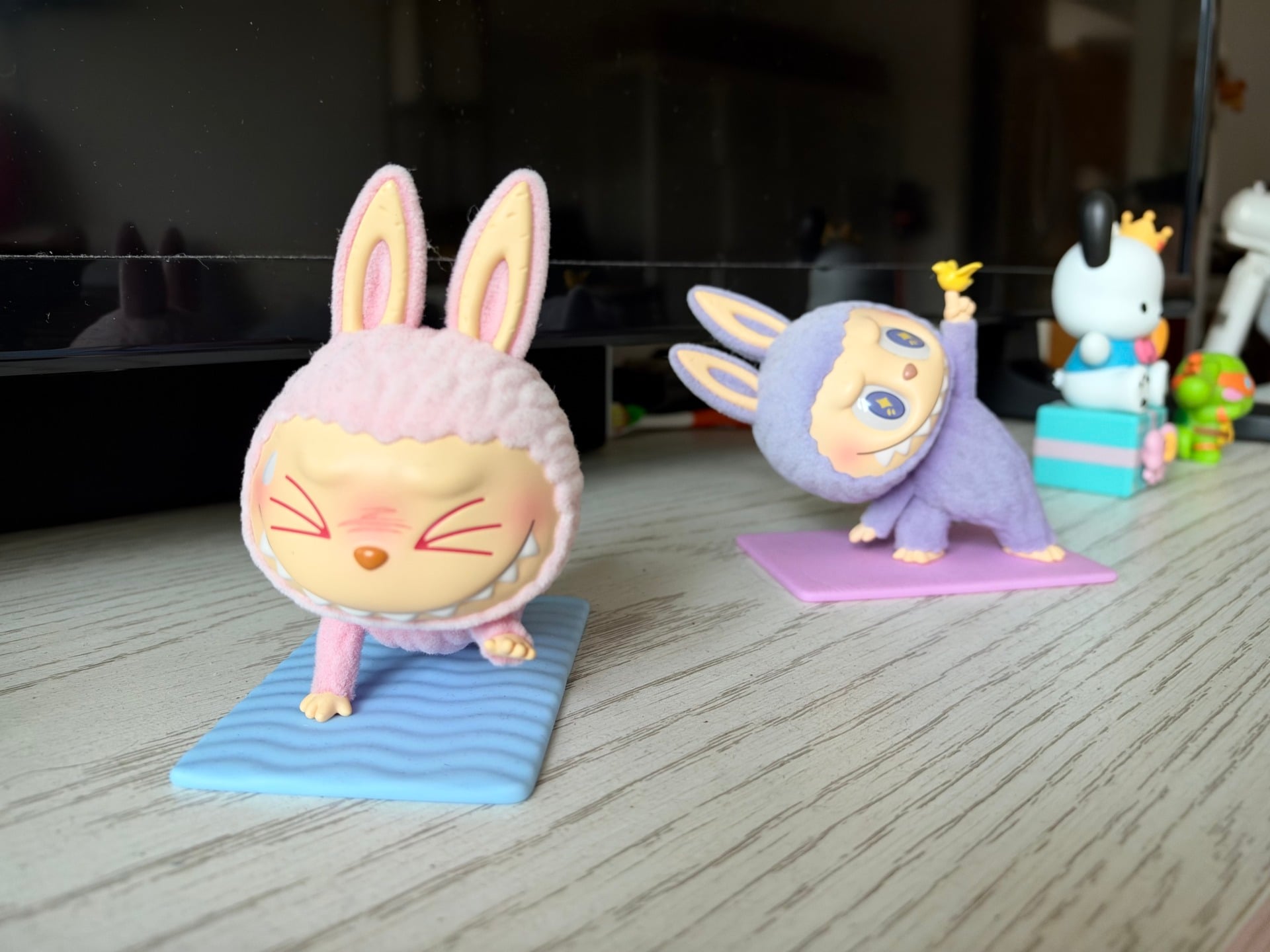
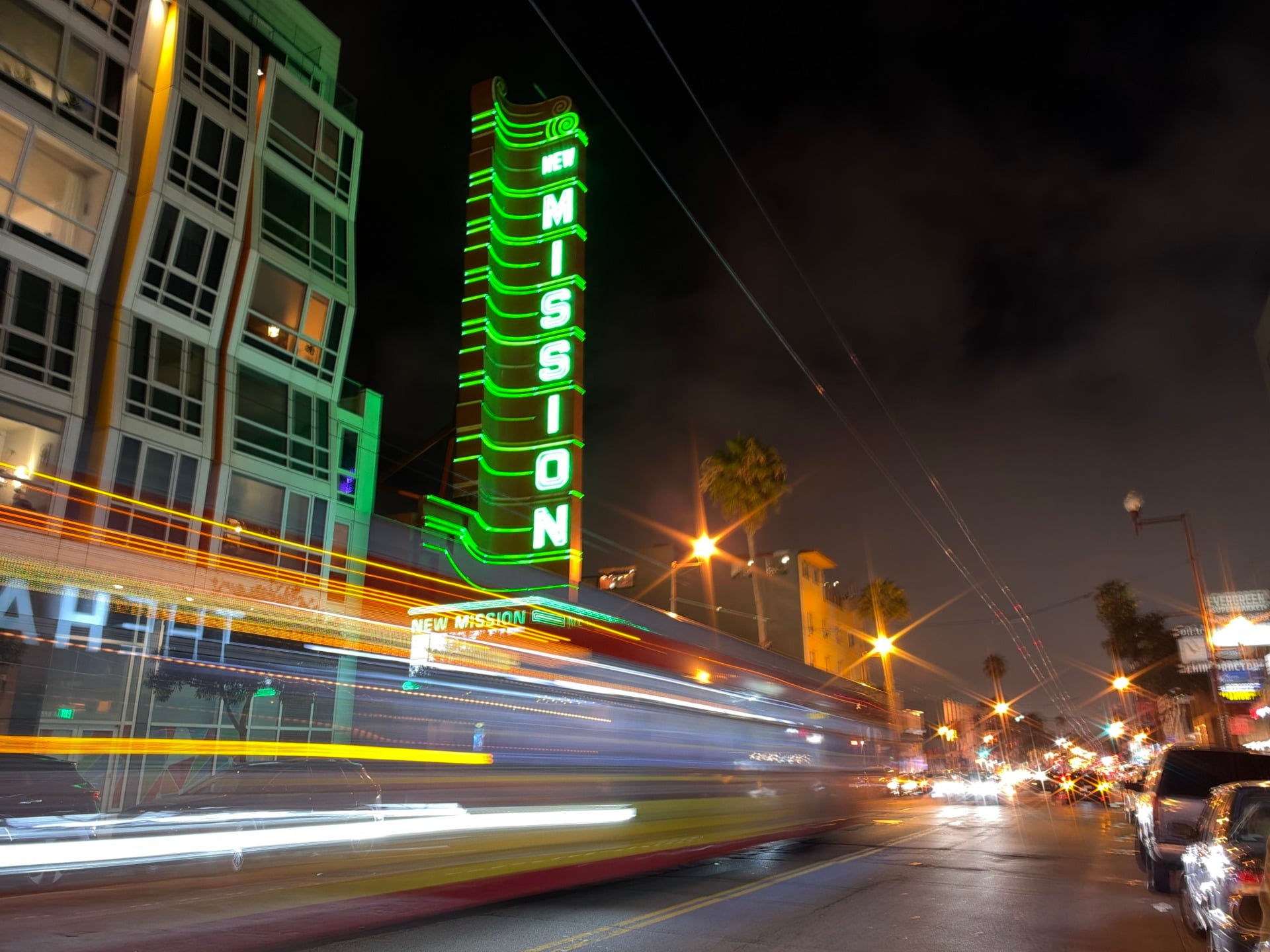
This is where, as easy as auto mode is, it cannot 100% make creative decisions for a photo exactly the way you envision it. For that, you’ll have to switch to manual mode and set the aperture yourself. Fortunately, access to the “lens aperture” settings is a tap away. Furthermore, the iPhone 18 Pros also have “Pro controls” that let you adjust shutter speed, white balance, and exposure with swipes. I also really like that you can toggle a histogram on and off to easily see if a scene is over or underexposed. And you can customize your camera app by adding buttons for the manual settings that you use the most. Third-party camera apps like Halide II and Moment Pro Camera II have long offered these advanced camera settings, but they’re all built into the camera app now and don’t cost extra. I had a blast taking “light trail” photos, long-exposure shots of cars and buses driving down the street, like this one:
The variable aperture’s widest opening (f/1.48) also improves low-light and night photography, letting in 50 percent more light, according to Apple. I can’t say I noticed any major difference between night photos taken with the iPhone 17 Pros versus the iPhone 18 Pros, unless I pixel-peeped.
Below, a night photo comparison between the iPhone 18 Pro shot at f/1.48 aperture (left) and iPhone 17 Pro shot at f/1.78 aperture (right):

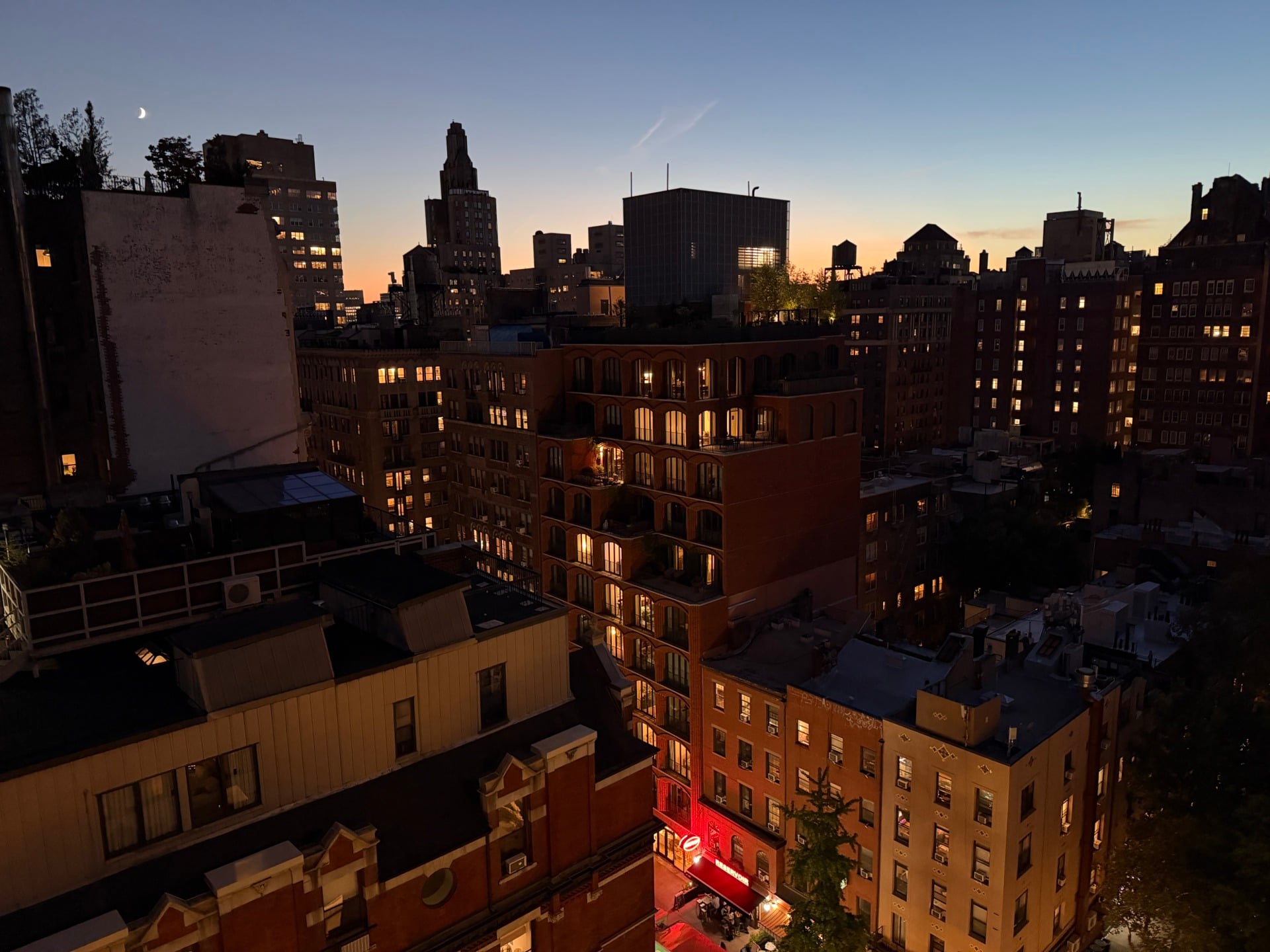
Viewed side by side, the iPhone 18 Pro’s night photos appear to have greater dynamic range and better-preserved highlights.
The larger f/1.48 aperture does make shooting night photos easier; Night Mode doesn’t kick in as much as on previous iPhones, meaning you won’t need to hold your hand still as often.
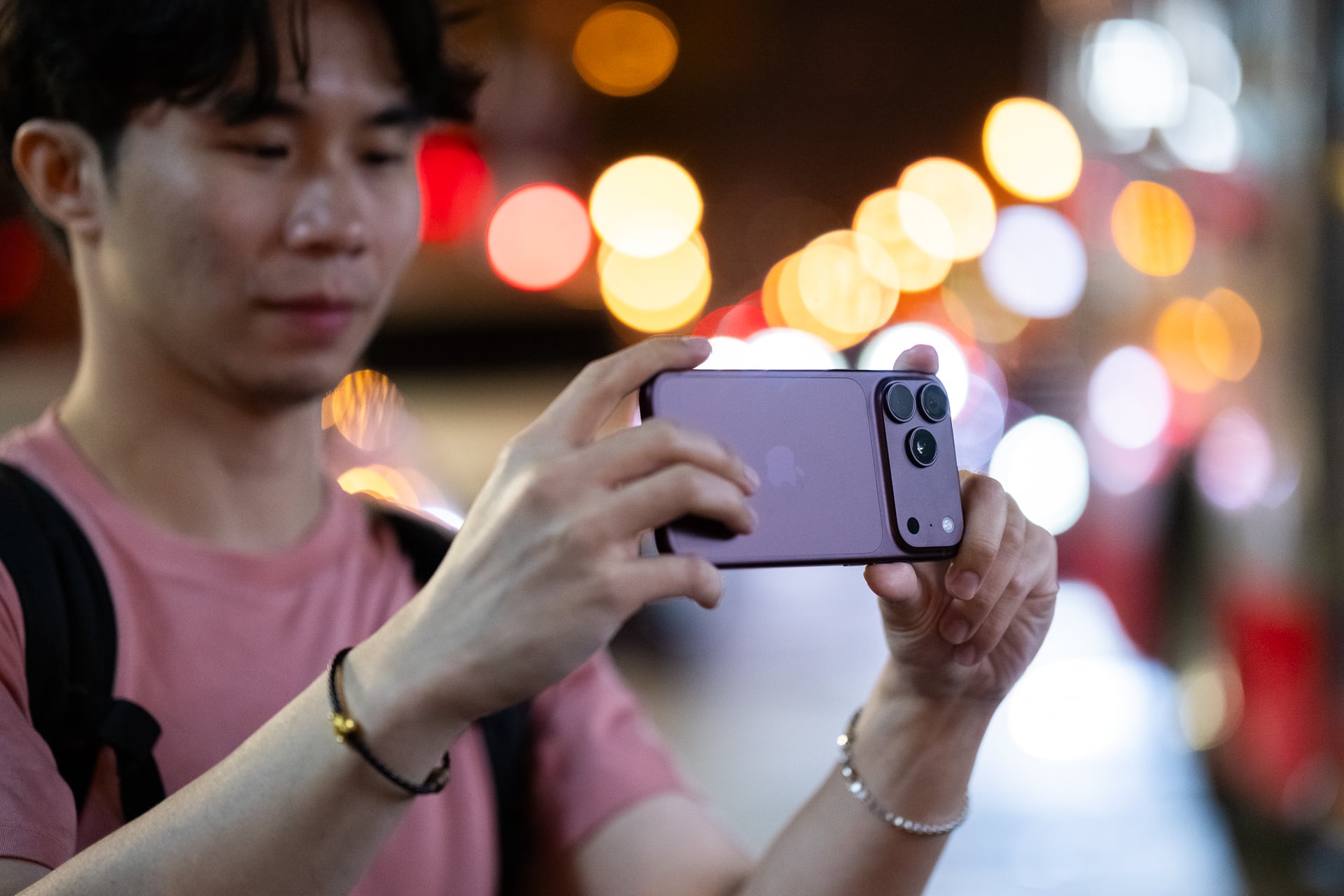
The variable aperture also works for video recording from the main lens (1x to 3.9x zoom). Once you switch to the 4x telephoto zoom, the camera switches to its non-variable f/2.8 aperture.
Most people will probably never need or want to fiddle with the variable aperture, but it’s great that the ability to manually control the aperture and other camera settings is there if you want it. It makes the iPhone 18 Pros not only a better camera for professionals and content creators who have been begging for manual controls but also for people who want to take more creative shots without needing to buy a traditional camera.
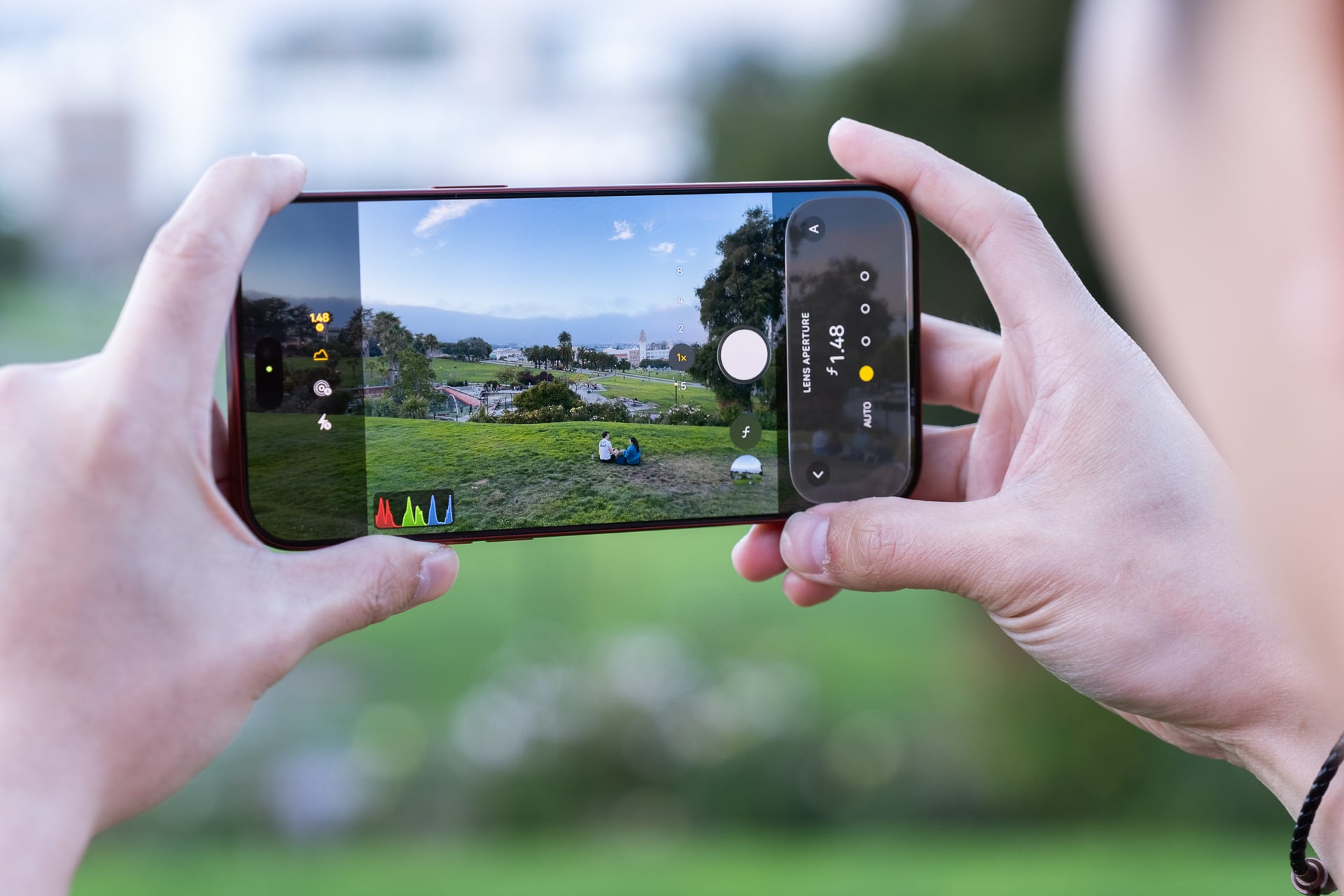
Weirdly, none of the manual camera settings can be controlled with Camera Control, the capacitive camera app launch button that also lets you adjust settings. At this point, Camera Control feels like a neglected and forgotten feature, much like the Touch Bar was on old MacBook Pros.
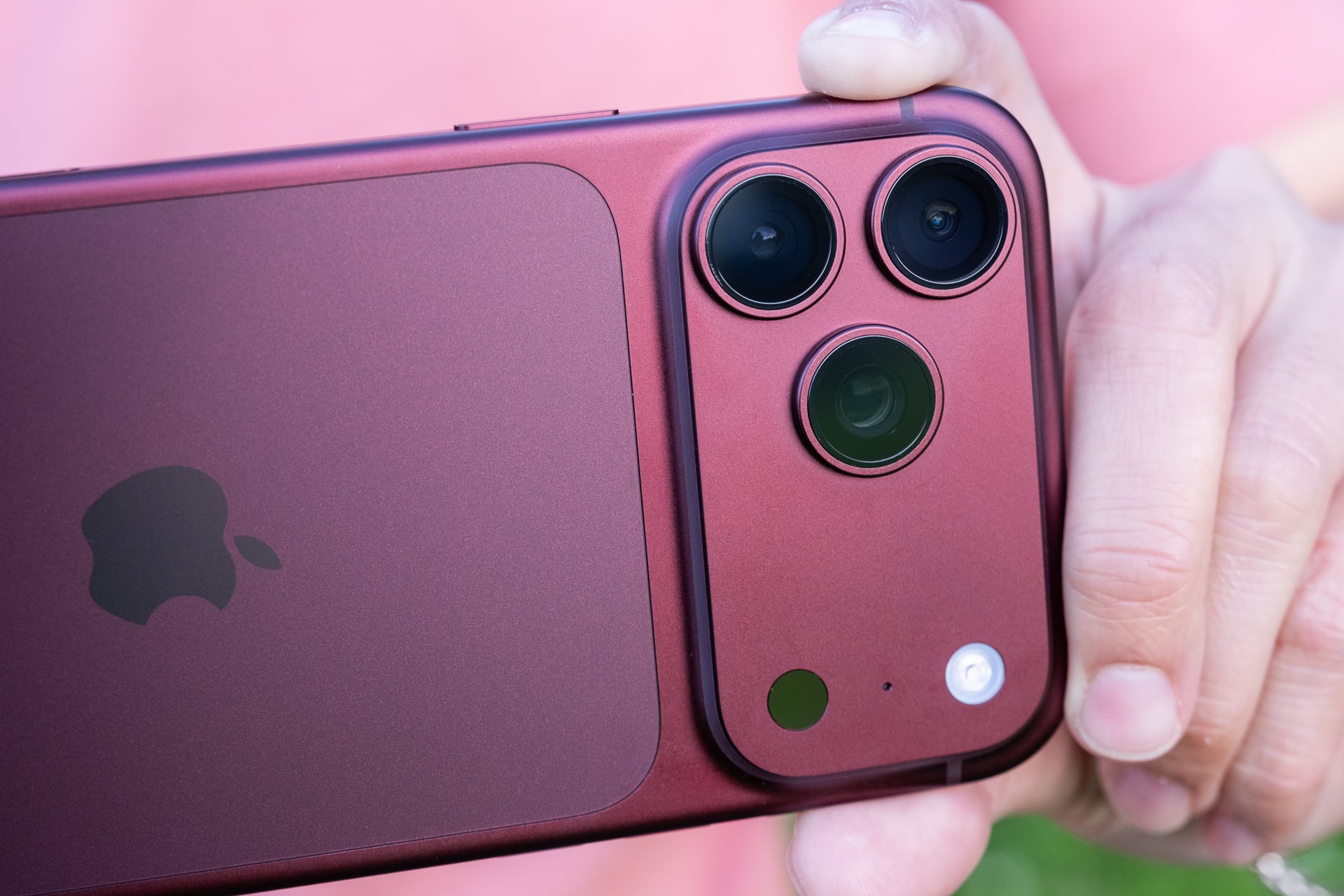
There are several other features exclusive to the iPhone 18 Pros that make their camera systems even more versatile. You can shoot video and then apply a “cinematic effect” that blurs the background after capture. It’s not as good compared to shooting a video at f/1.48 and getting a very shallow depth of field, but it does work, even when you’re panning and dollying. I was surprised to see the blur effect applied pretty well to my colleague even when he was moving his arms in all directions.
Smart focus tracking also works; double-tapping a subject keeps it in focus even when they move. It enjoyed using it to track my two cats, Lemons and Kiwi, running around my apartment. Parents will love it for recording their kids.
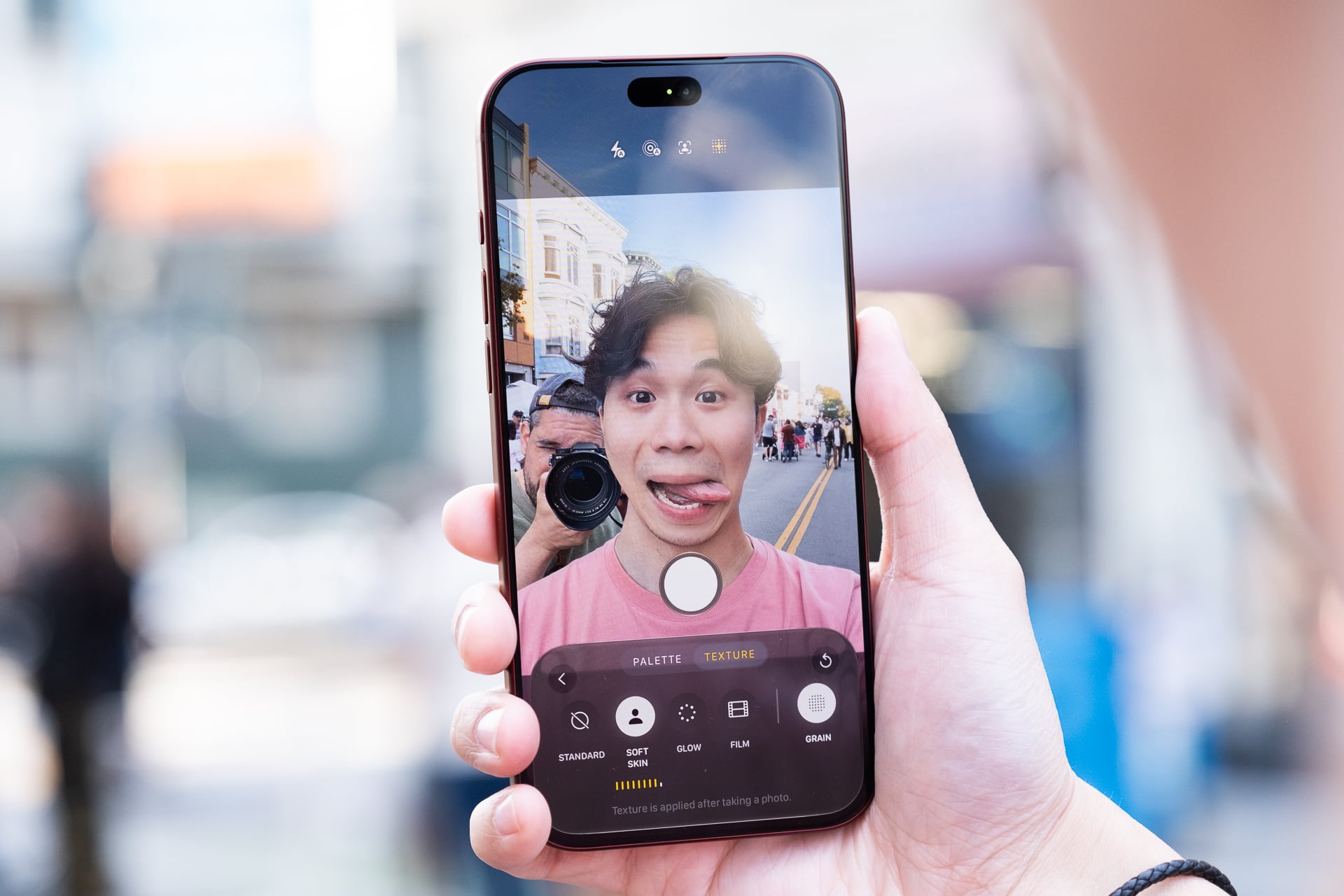
The iPhone 18 Pros also have Photographic Styles 3. This lets you add “texture,” including “soft skin,” “glow,” “film,” and “grain” to either make skin appear smoother or images look less processed. You can adjust how much of each texture you want to apply. The “film” texture is my favorite; it softens the image with just enough image noise and grain to make it look like a photo from a Fujifilm QuickSnap disposable film camera.
Smaller, but still notable, camera features include 4K timelapses in Dolby Vision HDR, an improved Audio Mix for separating voices and music from background noise, and manual camera controls for video recording.
Below, you’ll find a generous gallery of unedited photos taken with all of the cameras (front and back) on the iPhone 18, shot at different focal lengths, apertures, shutter speeds, and shooting modes.
I’m just glad that the camera features maintain the purity of photography. What I don’t love on iOS 27 are the Apple Intelligence editing tools like “Reframe” and “Extend,” which lets you shift the angle of a subject and generate additional content to fill out a border.
Trying the new “Extend” Apple Intelligence tool in iOS 27’s Photos app on my John Ternus selfie…
It just generated some random new people into the background#wwdc pic.twitter.com/MxfqlU47sf
— Ray Wong (@raywongy) June 9, 2026
Apple is mostly conservative when it comes to how far you can push these AI editing tools, but sometimes things can get really weird, like in the extended selfie above. I still think these tools are a step too far and cross a line between reality and fantasy. Let third-party apps and less tasteful phone makers include slopification tools.
So much power
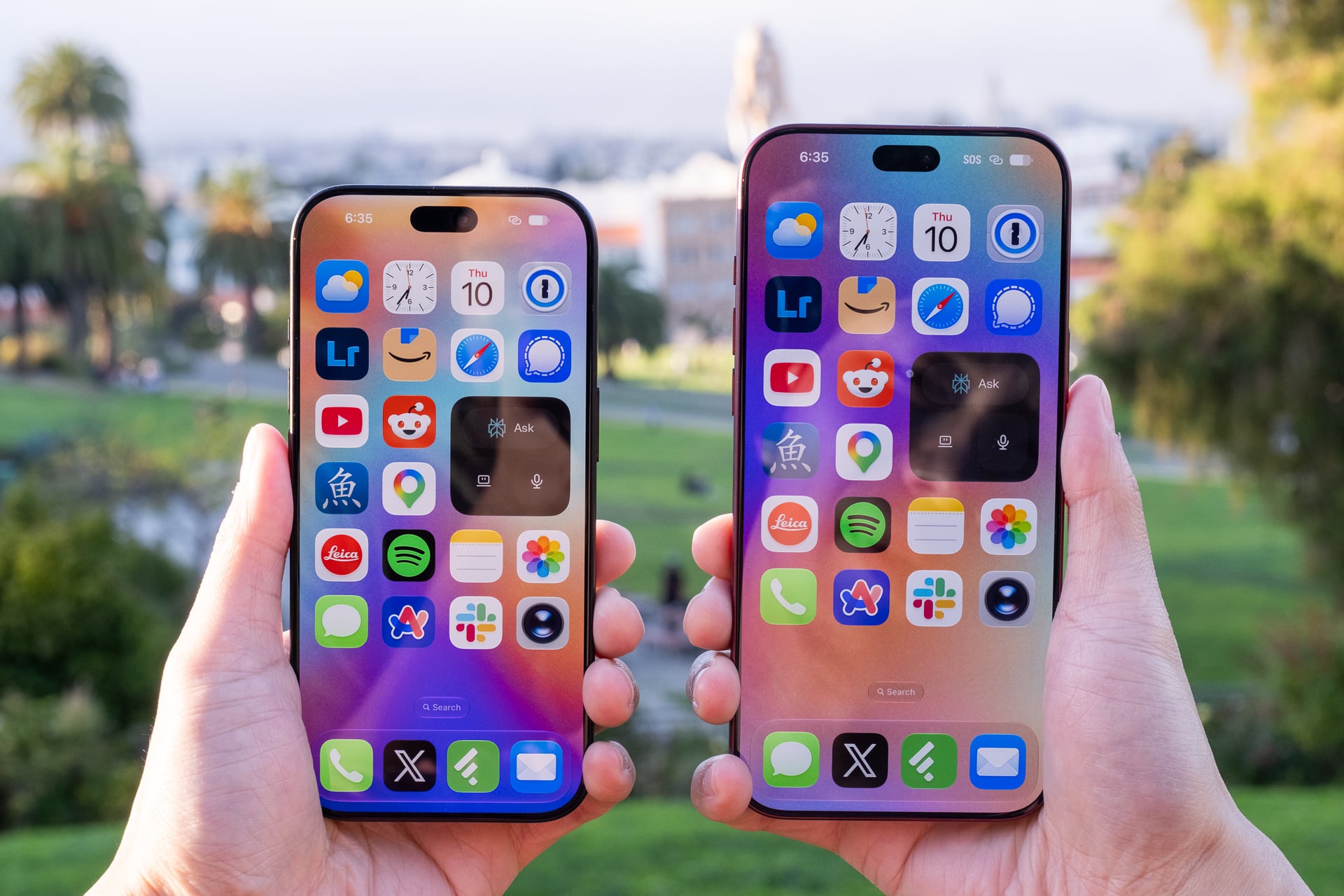
At the center of all of the new improvements to the iPhone 18 Pros is the new 2nm A20 Pro chip. It drives everything from the new cameras to sustained peak performance to AI processing via its new dual 16-core Neural Engine to longer battery life through efficiency advancements.
The A19 Pro was already the best-in-class chip for phones, and the A20 Pro chip, with a 6-core CPU and 7-core GPU, surpasses it without much effort. Just to get a sense of the leap generation over generation, I ran Geekbench 7’s CPU benchmark on the iPhone 18 Pro and compared results with the iPhone 17 Pro. Both phones were running the official iOS 27 release. The iPhone 18 Pro scored 4,027 for single-core and 11,540 for multi-core, and the iPhone 17 Pro mustered 3,258 on single-core and 9,167 on multi-core. That works out to a 24% boost for single-core performance and a 26% boost for multi-core. To put that into perspective, Samsung’s Galaxy S26 Ultra, with a Qualcomm Snapdragon 8 Elite Gen 5 for Galaxy chip, scored 2,790 on single-core and 9,475 on multi-core, which is 44% and 28%, respectively, behind the iPhone 18 Pros.
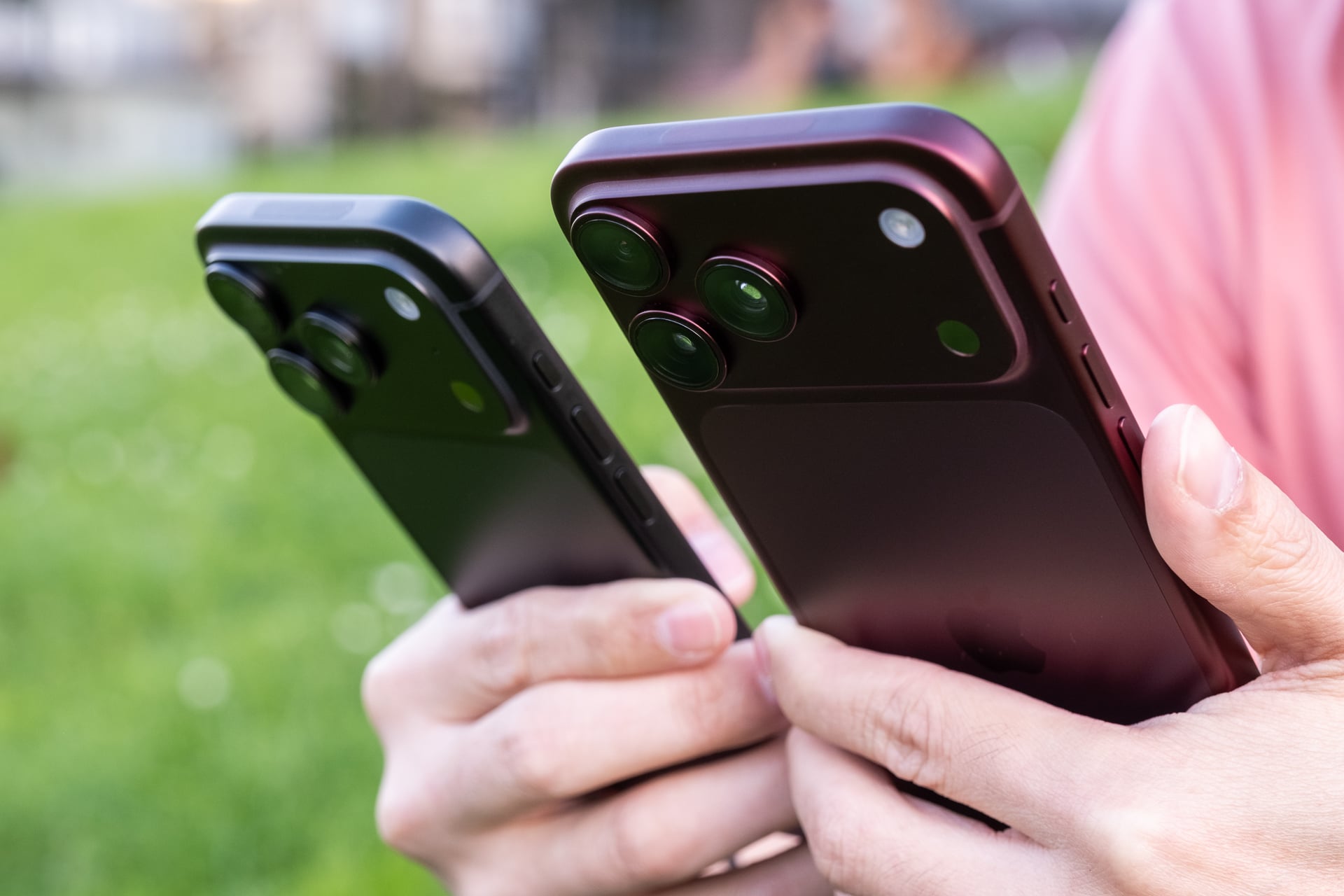
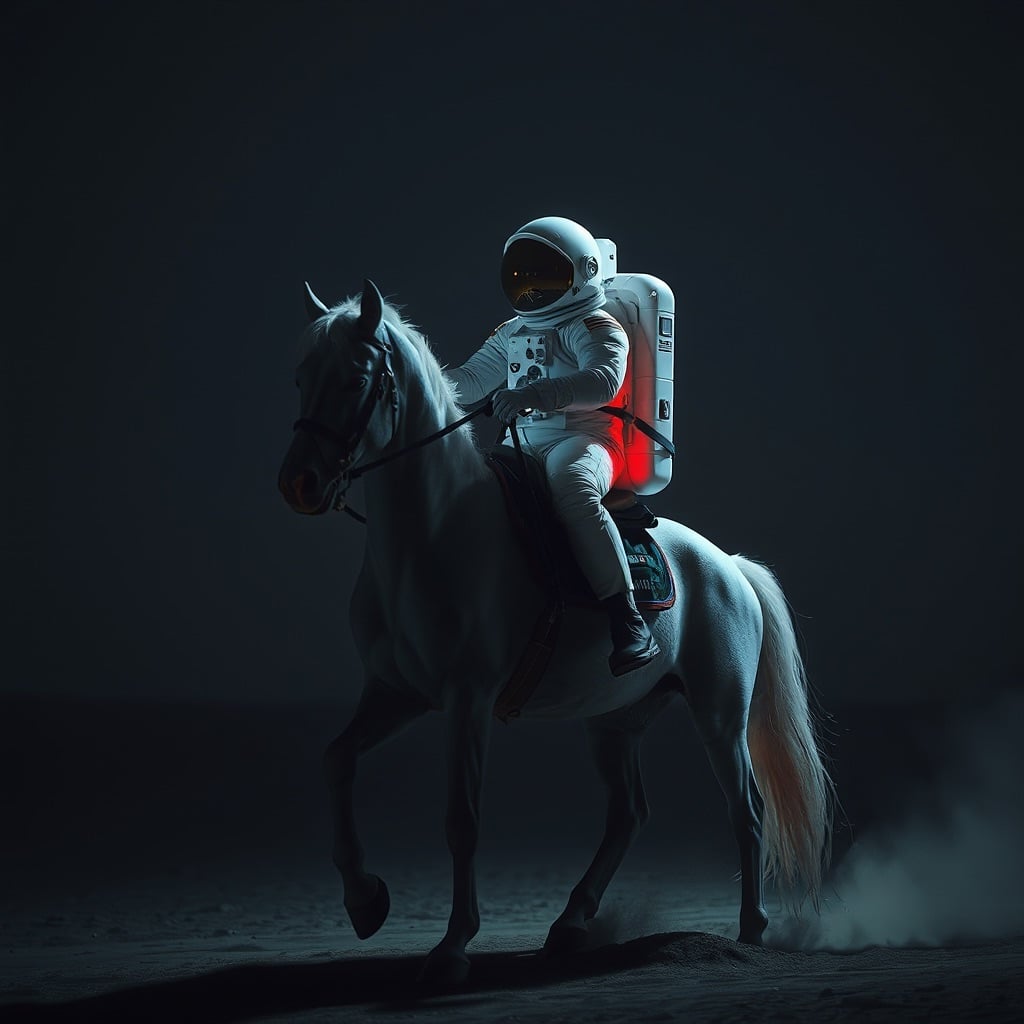
The more powerful CPU and GPU make iOS 27 fly, rendering Liquid Glass’s refractive properties without much effort and without draining battery life as quickly as past iPhones. Nothing lags. Apps open and close instantly, and graphics-intensive tasks like 3D games Monster Hunter Outlanders and Ungodly run responsively. Even a console-level game such as Control plays super smoothly. Generating images on-device with apps like Draw Things is also stupidly fast. Using the dual-core 16-core Neural Engine, the iPhone 18 Pro generated an image with the prompt “A photography of an astronaut riding a horse, 4K, volumetric light” using the FLUX.1 [schnell] model on-device in 49 seconds. The iPhone 17 Pro completed the same image with the same model on-device in 69 seconds.
You be the judge of which one generated the better image. iPhone 18 Pro (left) vs. iPhone 17 Pro (right):

Siri AI also takes advantage of the dual-core Neural Engine. The assistant surfaces info from across your apps faster and returns results from its broad world knowledge quicker, too. I found myself staring less at spinning wheels and getting faster answers to inane questions that randomly popped into my head.
It’s not just that the A20 Pro chip has insane performance. It sustains performance without overheating thanks to its second-gen vapor chamber, which covers three times more surface area around the chip to spread heat away from it. I don’t think the iPhone 18 Pros got hot once doing anything normal that would cause it to heat up. Not even shooting 4K resolution video at 60 fps under the heatwave that baked Cupertino during the Apple launch event could overheat it. Apple touts up to 40% sustained performance over the iPhone 17 Pros, which had a vapor chamber that provided up to 40% sustained performance over the iPhone 16 Pros. In two generations, sustained performance on the iPhone Pros leaped up to 80 percent. I don’t know another phone that has achieved this. It’s remarkable and really shows Apple flexing its silicon prowess.
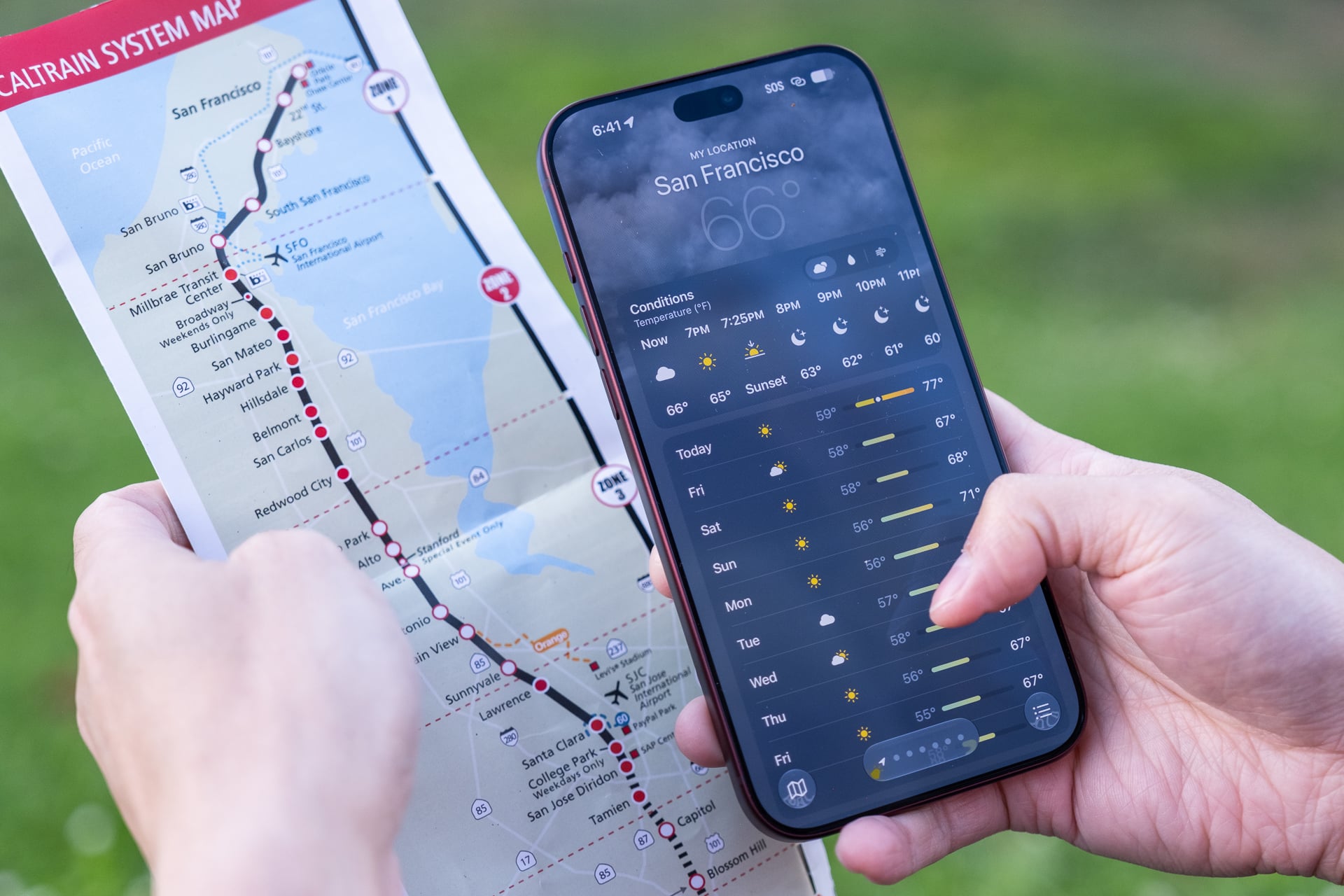
The iPhone 18’s monstrous performance isn’t just on the CPU, GPU, and Neural Engine side of things. The battery life on the iPhone 18 Pro and 18 Pro Max just goes and goes. Apple advertises up to 36 hours of local video playback on the iPhone 18 Pro, which is 3 hours more than on the iPhone 17 Pro and 3 hours less than on the iPhone 17 Pro Max. Meanwhile, the iPhone 18 Pro Max can last up to 45 hours for local video playback, 6 hours more than on the iPhone 17 Pro Max and 9 hours more than the iPhone 18 Pro.
Even I, a self-described power user, struggled to kill the battery life. My iPhone 18 Pro review unit often still had 25% in the tank after 12 to 14 hours out. The iPhone 18 Pro Max typically still had 35% left at the end of a day. It felt like a glitch in the battery percentage readout. I know I shot more 4K video than I normally would, scrolled endlessly on TikTok and Instagram until my fingers hurt, and played more 3D games than on most days throughout the year. The last time this type of battery longevity left my jaw on the floor was when Apple introduced the M1 MacBook Air in 2020. Its all-day battery life didn’t seem possible. Unlike Android phone makers that have largely switched to silicon carbon batteries for their higher capacities and slim cells, Apple has achieved even longer battery life for iPhones through efficiencies in its chipset.
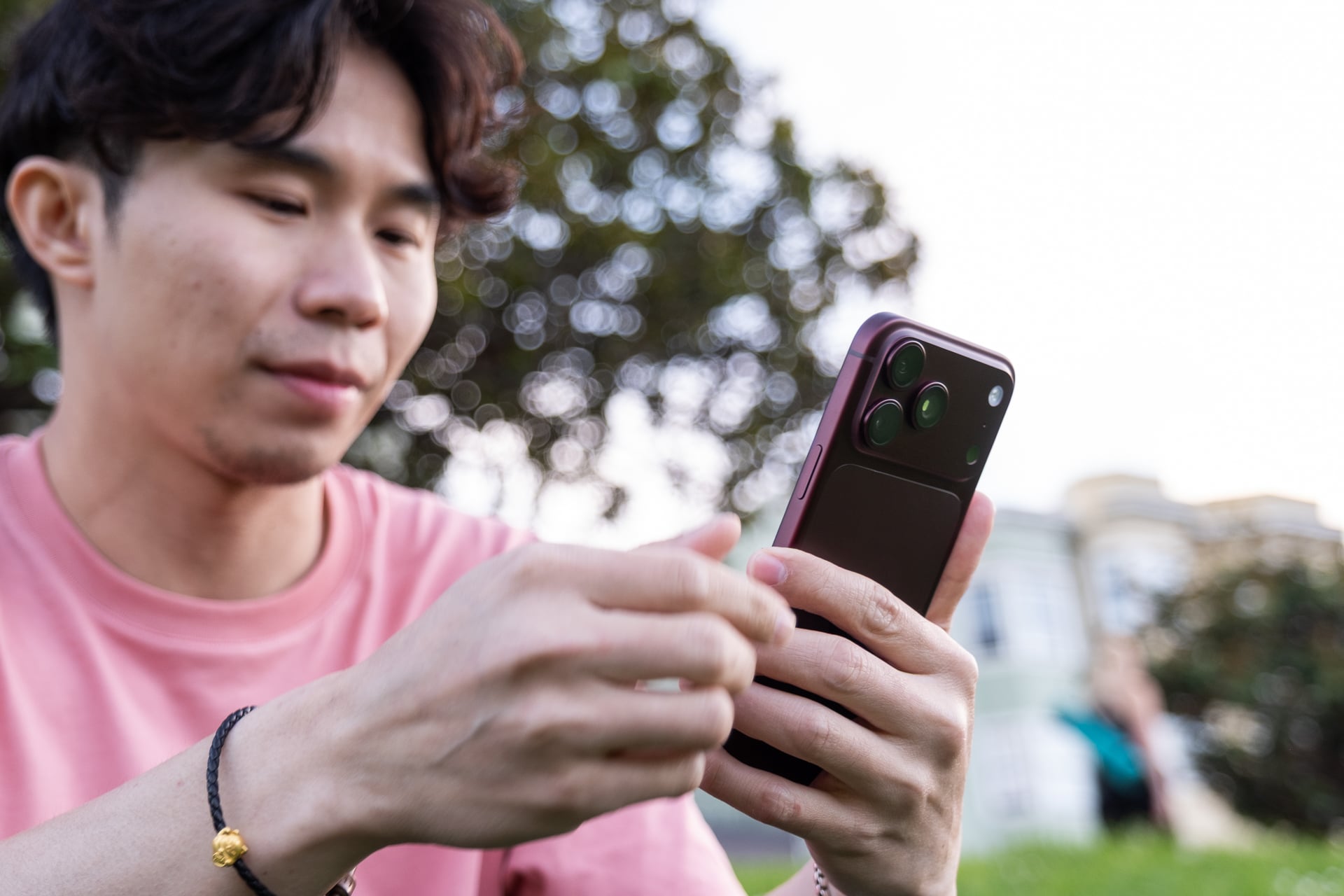
On top of everything, the iPhone 18 Pro uses a C2 modem for fast and power-efficient 5G connectivity. The iPhone 16e with its C1 was the first iPhone to use Apple’s own custom-designed cellular modem, and then the iPhone Air improved on that with the C1X. The C2 is Apple’s first modem to support mmWave 5G, which is more useful in the U.S. than anywhere else in the world. The iPhone 18 Pro Max still uses a Qualcomm modem. While I’ve not seen any difference in 5G connectivity between the two, anecdotally using the iPhone Air over the past year, I’ve noticed the C1X modem connects to 5G faster and more reliably than the Qualcomm modem in the iPhone 17 Pro. At big tech events where the cellular connection often buckles under all the attendees trying to connect simultaneously, the iPhone Air’s C1X has always held its connection better. At the very least, the C2 modem might be more efficient than the Qualcomm modem, which further helps save battery life.
Might as well be called iPhone Ultra
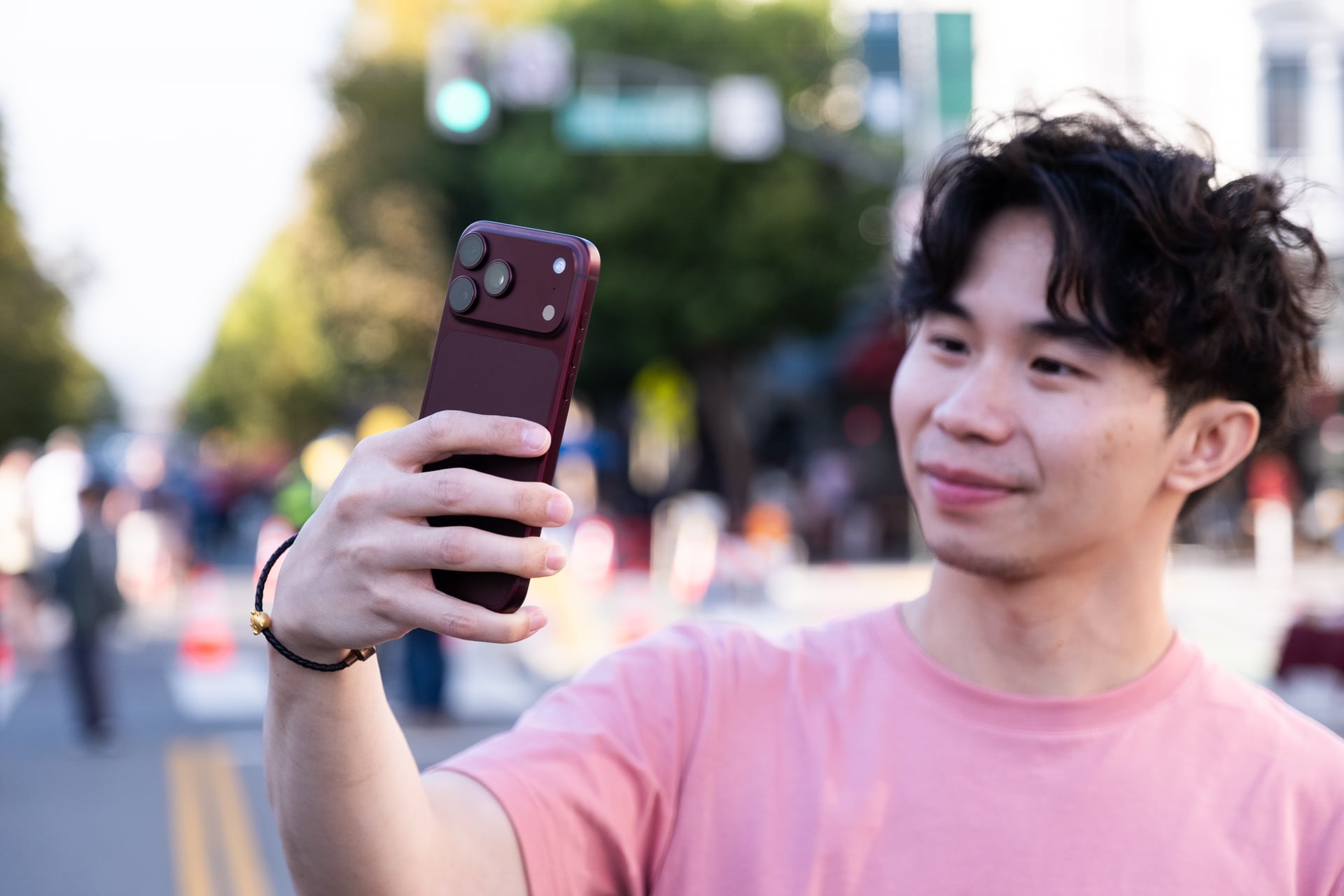
Last year I ended my iPhone 17 Pro by concluding that Apple pulled out all the stops to make the very best iPhone Pros ever. Apparently, I was wrong, because there were many more stops to pull out for the iPhone 18 Pro and 18 Pro Max. I also think it’s funny how I wished for a black iPhone Pro, and we got it this year.
By almost every metric, the iPhone 18 Pros raise the ceiling of what a “pro” iPhone is even higher. As far as I’m concerned, these are iPhone “Ultras.” Unless you love shooting with a camera, you simply don’t need one anymore if you have the iPhone 18 Pro or 18 Pro Max. You don’t need to carry around a battery bank anymore. The iPhone 18 Pros have more performance than most people need today and tons more performance to support future software updates and whatever AI upgrades are coming in the near future. And although Siri AI is still in beta, it’s already proven very capable of being a true personal assistant that understands your digital life and acts on stuff for you. I now ask Siri to do more things than I ever imagined, and it’ll only get better.
Other than the soft aluminum frame and the unloved Camera Control that oddly doesn’t support any of the manual camera settings, the iPhone 18 Pros are once again the very best non-folding smartphones money can buy. No one feature outshines another—everything works perfectly well together and does so better than in any premium phone I’ve ever used.
See iPhone 18 Pro and Pro Max at Apple
Read the full article here