

As both a health reporter and avid horror fan, there are few things I love more than seeing a fictional contagious disease take center stage as a villain—especially when they’re inspired by actual germs or parasites.
Thankfully, there’s no shortage of horror flicks with gruesome infestations or illnesses to pick from. We’re not even three months into 2026, and there have already been two infection-themed films released so far, each with their own particular bent (28 Years Later: The Bone Temple and Cold Storage). So here are some of my personal favorite or especially interesting fictional diseases featured in movies and TV shows, along with their real-life inspirations.
1. The Last of Us
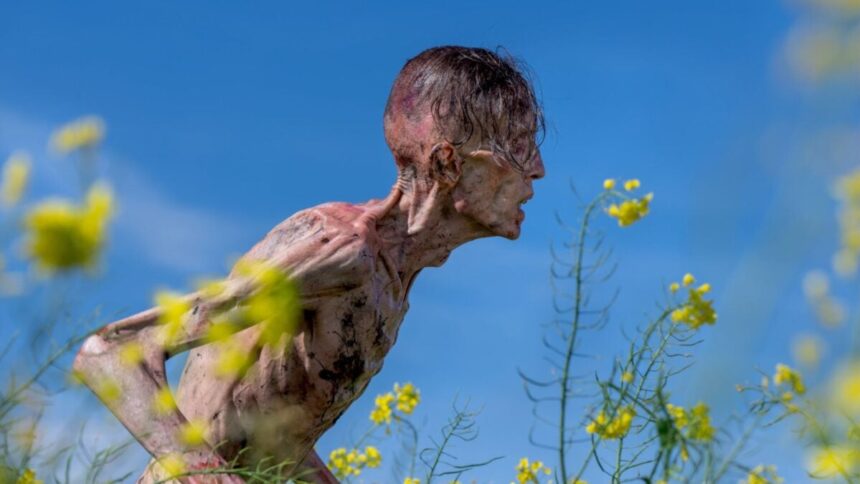
Now both a hit video game and an HBO TV series, The Last of Us features an apocalypse instigated by fungus. Not just any fungus, though, but one that turns its victims into aggressive zombie-like creatures.
This villain is based on two real related families of fungi: Cordyceps and Ophiocordyceps. Much like in the show, these species spread by manipulating the behavior of their insect or arachnid hosts. Infected animals also tend to be very distinctive, with stalks or growths that emerge from their bodies or heads; these growths are filled with spores ready to burst and infect others.
Thankfully, fungi in general are selective about their hosts, and there’s no chance that Cordyceps fungi will leap across the species barrier and start infecting humans, at least not anytime soon. Unfortunately, part of the show’s underlying premise is actually happening. Thanks to climate change, some fungi have started adapting to warmer temperatures, and it’s possible that we’re already starting to see new fungal diseases in humans emerge as a result.
This year’s Cold Storage, meanwhile, features a more generic but B-movie-mold-like fungi that zombifies (and explodes) both people and animals alike. It also has Liam Neeson at his gruff action hero best.
2. 28 Days/Months/Years Later
The germ in this long-running series (hopefully with a fifth on the way) has an established name: the Rage virus. Based on that, you would think it’s a fictional take on rabies. But nope, canonically, the Rage virus is a lab-made modified version of the Ebola virus, one that went, obviously, horrifically wrong.
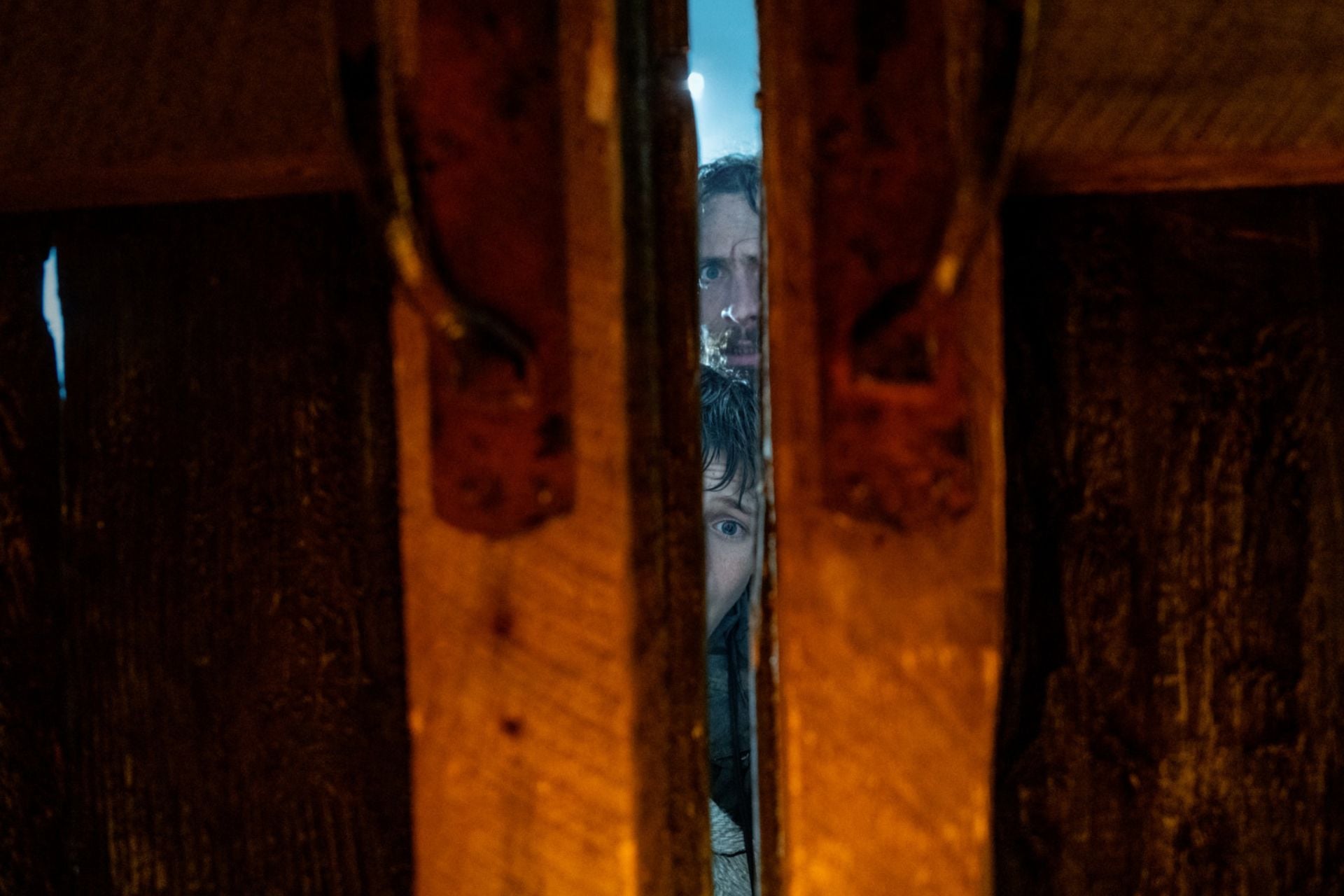
Rage victims do show some of the signs of a severe Ebola infection, such as vomiting blood and blood-red eyes (they’re also, as the name indicates, incredibly, uncontrollably violent). It might stretch credibility to think that anyone with these symptoms could sprint after uninfected people for very long the way Rage-infected carriers do in these movies. To these movies’ credit, though, the infected aren’t treated as zombies invulnerable to anything but a headshot, and the latest movies even provide a justification for how they’ve managed to survive all those 28 years later.
3. REC/Quarantine
Now if you want an actual rabies villain, there’s the REC series, along with its lesser-quality but still fun American remakes Quarantine 1 and 2.
The first films of both series feature a quarantine of an apartment complex over a mysterious outbreak that’s turning residents into ferocious zombies. At one point, a health official even states that the outbreak began with an infected dog, a very real carrier of rabies. Without going into too many spoilers, though, the infections in these films eventually vary dramatically from rabies in their own way.
An actual rabies infection can cause animals and humans to become aggressive toward others, though it’s hardly the only symptom. Muscle twitches, confusion, and a reflexive fear of water are other common signs. And by the time these symptoms appear, death is almost 100% certain. Thankfully, pet and livestock vaccination programs have made rabies a rarity in much of the world, though human and canine cases do still rarely occur in the U.S.
4. Cooties
Staying on the zombie thread, there’s the 2014 movie Cooties. This fictional disease exclusively turns prepubescent children into zombie-like infected, while causing stomach flu in everyone older (hence the film’s name). Zombie-ness aside, that’s actually a very real characteristic of many foodborne infections. While most people will experience mild but limited gastrointestinal misery from a norovirus or Salmonella infection, younger children (and those with weakened immune systems) are more vulnerable to severe complications. These complications usually don’t include zombification, but that’s movie magic for you.
5. The Bay
The 2000s and early 2010s were littered with movies trying to cash in on the found footage craze. Few ever piqued my attention as much as The Bay, released in 2012, did.
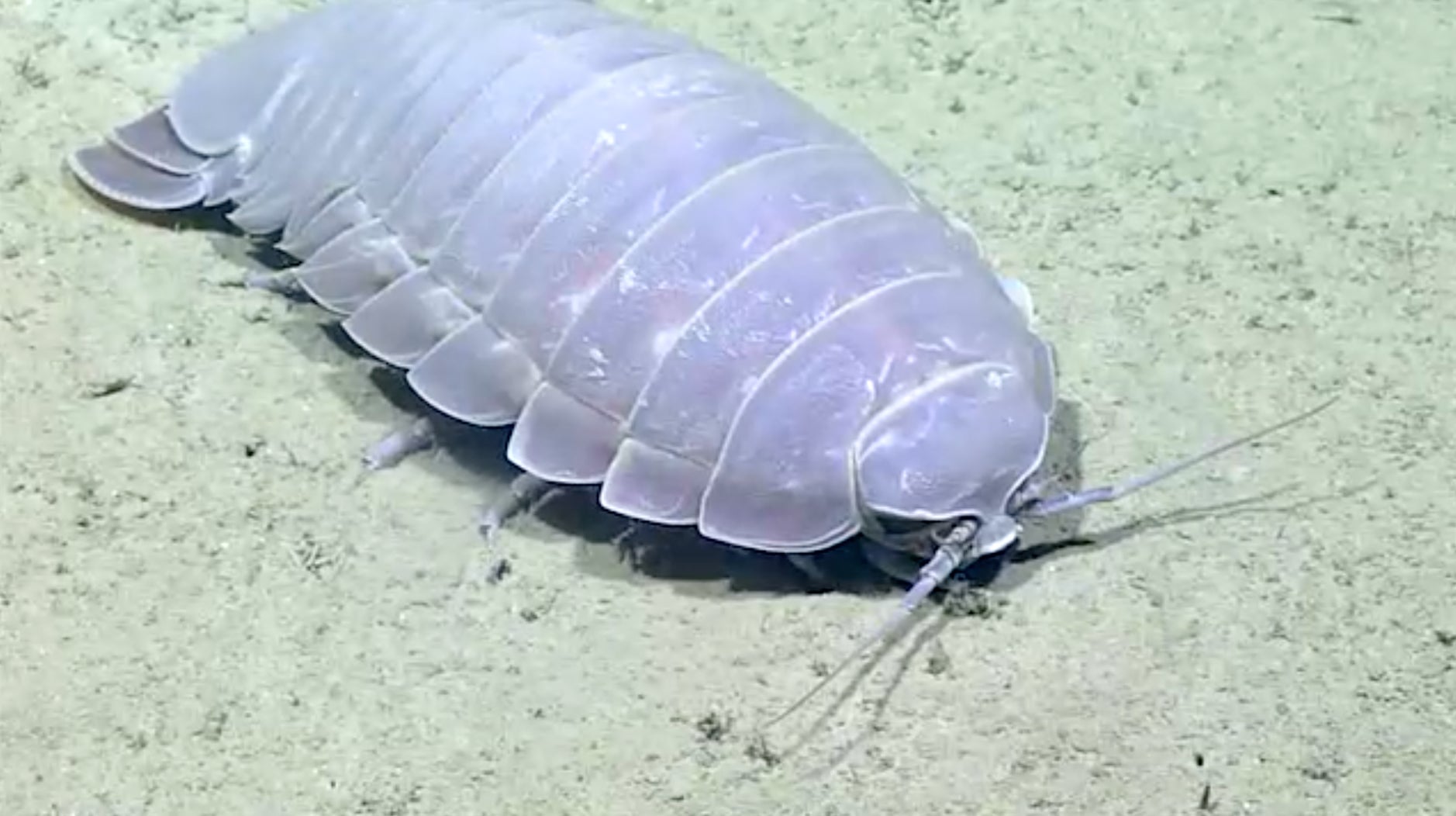
The antagonist tearing through the fictional town of Claridge, Maryland, isn’t a microbe but a species of ravenous isopod mutated by a shady chicken farm’s release of toxins (including growth hormones) into the Chesapeake Bay.
Isopods are a very real order of crustaceans. And the movie’s version is based on Cymothoa exigua, aka the tongue-eating louse. These isopods will cut off a fish’s tongue and set up shop as a replacement organ. Unlike the movie’s isopods that prove deadly for many unlucky infected humans, fish can often live for years with C. exigua lice attached to their mouths. Only some isopod species are parasitic as well, and the ones you’ll most commonly run into are harmless pill bugs, also known as rolly pollies.
6. Contagion
2011’s Contagion isn’t an outwardly horror film, but the pandemic-causing disease featured in it might very well be the scariest, since it’s intentionally meant to be as real as possible.
According to the film’s technical consultants, the meningoencephalitis virus 1 (MEV-1) is modeled after the Nipah virus, an emerging zoonotic disease naturally found in bats. In the movie, MEV-1 initially reaches the human population through contact with pigs infected by bats, an actual scenario that has occurred with outbreaks of Nipah.
Since its discovery in 1998, Nipah has continued to cause outbreaks, even this year. The virus spreads most easily through contact with infected animals but can also spread directly between people. So far, at least, outbreaks have generally been limited (the largest to date involving around 300 people), but it has a fatality rate hovering around 40% to 50%. And it’s certainly possible that Nipah or similar viruses could someday evolve and spark the next pandemic.
For a somewhat less realistic, 1990s take on the medical pandemic thriller, there’s the 1995 movie Outbreak, which features an Ebola-like virus.
Read the full article here