You know a brand has recognition when its name is practically synonymous with its product. Take Kleenex or Band-Aid, for example. iRobot, the makers of the Roomba robovac that arguably started the craze around disc-shaped autonomous vacuums, is now being consumed by its own vacuum manufacturing partner. No product can stand on brand recognition alone, especially not when every other company is selling the same thing for cheaper.
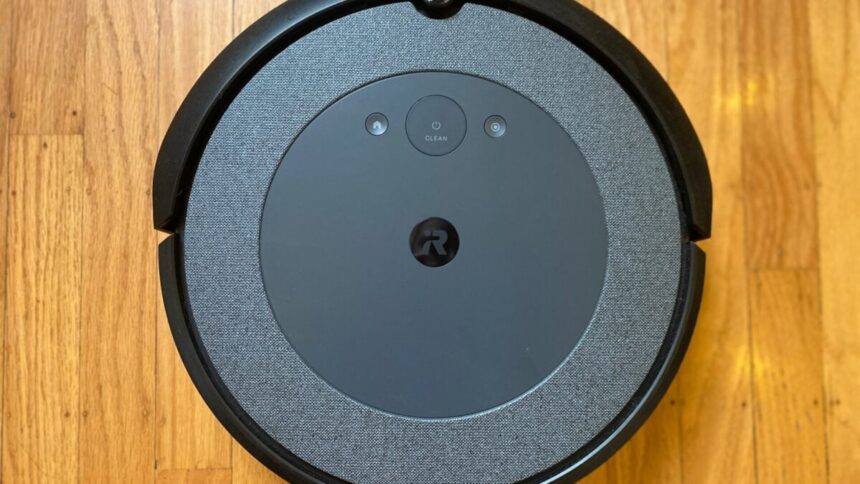
On Sunday, iRobot, the company that has long owned the Roomba brand of robovacuums, declared Chapter 11 bankruptcy. In its press release, the company said it was selling itself off to its contract manufacturer, Picea Robotics. iRobot promised that it was trying to finish its Chapter 11 “reorganization” proceedings by February 2026 and says current Roomba users won’t face any immediate service disruptions.
If you have a short memory, you may not remember when iRobot tried to sell itself to Amazon. That deal imploded due to European regulators in early 2024, leaving the company stranded like a Roomba trapped under a shelving unit in the corner of a room. iRobot had already sent most of its manufacturing overseas after its Amazon deal died, which is how Picea came into the picture.
Based in Shenzhen, China, Picea Robotics is a broader manufacturing partner of several major brands that make robovacuums, including Shark and Anker (through its Eufy sub-brand). In the press release, iRobot said Picea has sold more than 20 million robovacs in its lifetime, which is notable since the company (which is also listed as 3irobotix) was founded in 2016, according to its LinkedIn page. The 3i brand also has its own line of vacuums.
Picea may simply take the Roomba brand name as its own and then start shipping its own vacuums with the logo stamped on them. The best Roomba models were always the ones without a lot of flair. They did the job by snacking on all the rogue dust bunnies around your main floor. iRobot’s latest vacuums included weird inventions such as the Roomba Combo 10 Max with added features that let it clean its own mop and empty its bin. That device cost $1,300, so maybe there’s a reason iRobot wasn’t seeing such great returns. Roomba had also tried innovating with robovacuums with automatic pet treat dispensers, which would inevitably only create more mess that the vacuum would be forced to clean up later.
The home robotics field is already saturated with China-based brands, such as Eufy, Ecovacs, Dreame, and Roborock. Hell, now we even have drone-maker DJI entering the fray. One of Roborock’s latest “innovations” had it shove a robotic arm into a vacuum with its Saros Z70. Unfortunately, the robotic appendage didn’t perform well in real-life scenarios. There’s only so much innovation you can do with this form factor, so much so that IFA 2025 was full of mecha suits for vacuums to help them climb stairs. Some, like Ecovacs, have tried sticking an AI chatbot into the vacuum, in case you wanted to talk with your roving dust sweeper.
All these unnecessary additions don’t necessarily make for a better robot vacuum. Our favorite robot vacuum of the year was the big, blocky, yet charming Matic Robot Vacuum. Simply put, it had the most accurate mapping and computer vision capabilities without needing a cloud connection. For the sake of an autonomous vacuum and mop, do you really need anything more?
Read the full article here