Elon Musk recently announced on X that the Tesla Cybercab would be starting production in April. Some people online were confused, since Tesla has been experimenting with a supposedly autonomous taxi service in Austin, Texas. Aren’t there already Cybercabs on the road? The confusion comes from the naming choices that Musk has made in his rush to catch up with competitors like Waymo.
The Tesla taxi vehicles currently operating in Texas are known as robotaxis, a generic term for autonomous taxi services that Musk tried to trademark in 2025 but was refused by the U.S. Patent and Trademark Office. The robotaxis on the road carrying passengers in Texas are not Cybercabs.
Put simply, the robotaxis on the road right now are just regular Tesla Model Ys with a steering wheel and pedals. They have human minders and can be driven like regular cars if they run into problems. The Cybercab is a concept car first unveiled in late 2024 that has no steering wheel and no pedals. But Musk promises they’re coming soon.
The Robotaxi
The robotaxis on the road in Texas use Tesla’s so-called Full Self-Driving software with both in-car human minders and remote operators, according to a regulatory filing submitted February 13 to the California Public Utilities Commission.
Part of the confusion around names stems from the fact that Musk used the words robotaxi and Cybercab interchangeably during his big unveiling at Warner Bros. studio in Burbank, California, back in Oct. 2024. The event featured not just the Cybercab but a Robovan and robots pouring beer for guests.
As we later learned, those Optimus robots were being controlled by humans remotely. But that’s Musk’s MO and speaks to why expectations should probably be tempered for the Cybercab launch. He makes a big show of things before they’re ready for prime time, hyping up Tesla stock along the way. And eventually he’ll release a product that doesn’t quite live up to the hype.
The robotaxi experiment in Austin has seen mixed results. The performance of Tesla vehicles pales in comparison to Waymo vehicles, and Teslas are reportedly crashing at a rate that’s four times higher than humans. Waymo, owned by Google, is very proud of its low collision rate.
As Electrek notes, the robotaxi crash rate suggests that Tesla hasn’t yet solved autonomous driving. The appeal of driverless vehicles is that they’re supposed to be safer than a human. And if Tesla hasn’t figured that out yet, there’s no way its vehicles can justify roaming the roads without people who can take the wheel in an emergency.
The Cybercab
“Cybercab, which has no pedals or steering wheel, starts production in April,” Musk tweeted Feb 16. The next day, Tesla’s account shared a photo of the first Cybercab off the production line. The image has gained over 43 million views, but it’s odd to say the least.
Rather than position the car in the center, right in that big empty space, the car was hidden in a mass of workers.
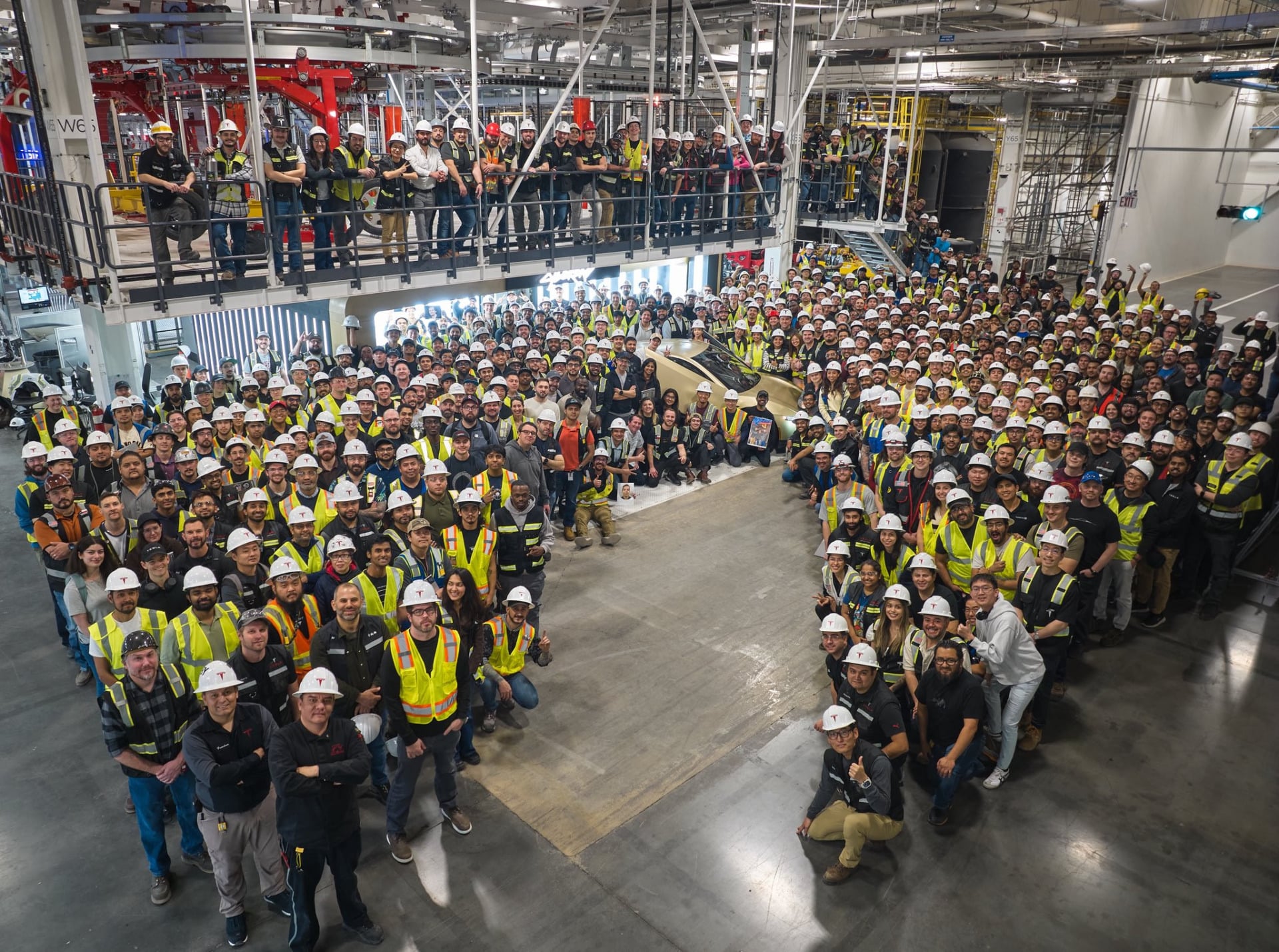
That choice has led to random theories about why Tesla wouldn’t want to show off the car, including the idea that perhaps he’s added a steering wheel. Cybercabs with steering wheels were spotted being tested in Austin late last year. But Musk seems to still be insisting that the vehicle starting production in April is the same one he showed off in 2024.
“There’s no full back mechanism here. It’s like this car either drives itself or it does not drive,” Musk said during a Tesla earnings call in January.
It’s unclear whether the lack of a steering wheel will present a challenge for getting the vehicles in the hands of consumers and on the road unsupervised. Tesla robotaxis currently operate with human supervision. But without a steering wheel, the passengers in a Cybercab have no way to take control.
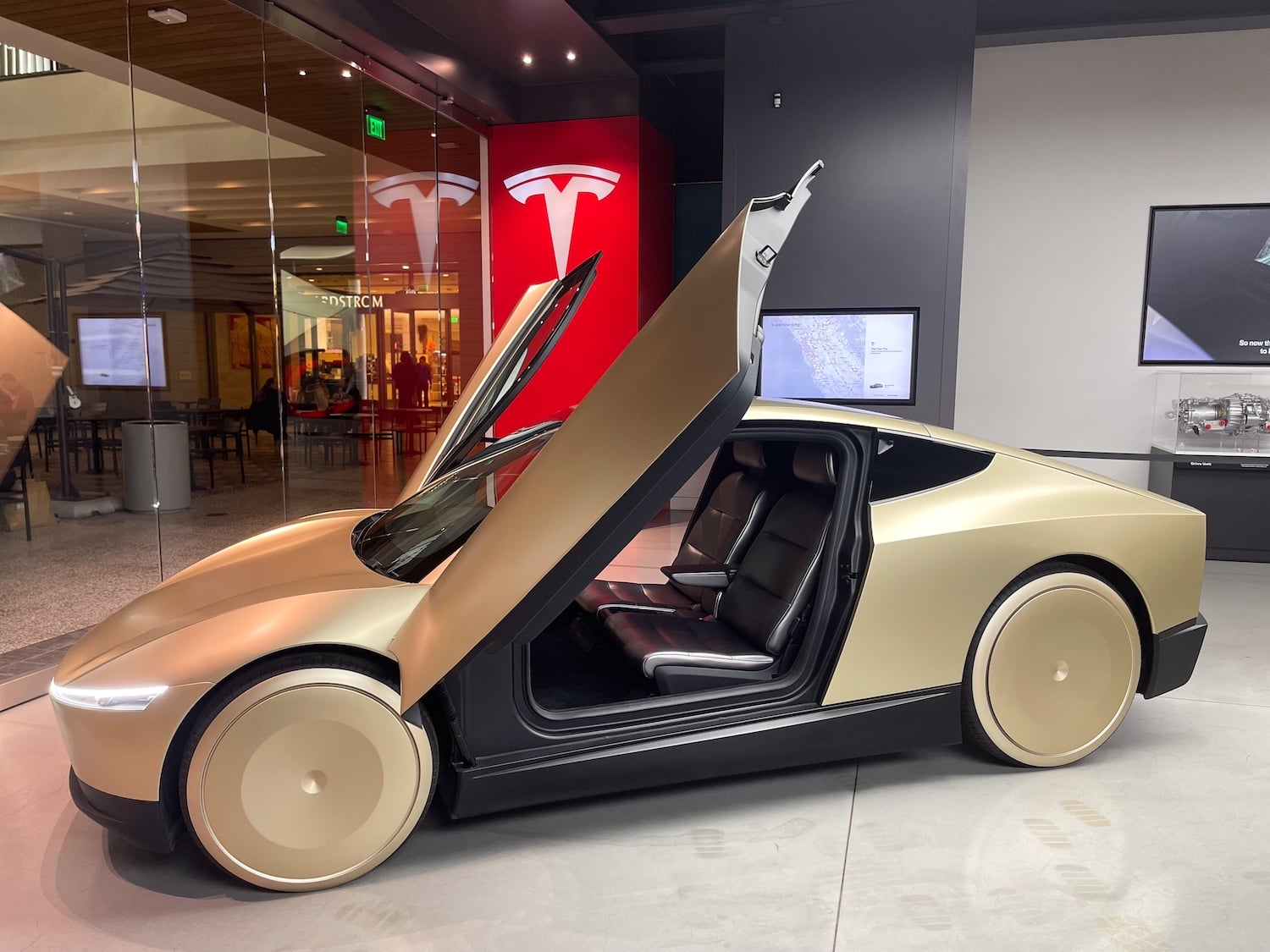
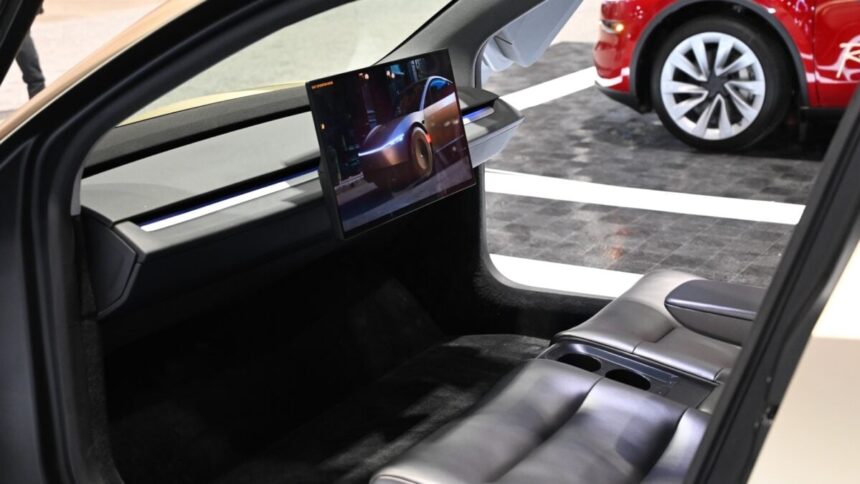
The other unusual choice made for the Cybercab is that it has no rear window, no side mirrors, and just two seats. That might be fine for date nights, but it’s not something that anyone with kids can utilize. You’d think a guy with at least a dozen kids would want to build a car that seats more than two people.
What will owning a Cybercab look like?
The ownership model of the Cybercab has been explained in differing ways ever since Musk announced the idea in Oct. 2024. Cybercab’s chief designer described the vehicle in Dec. 2024 as something that people could buy or lease “for the amount of time that you want,” describing it as “a different type of ownership experience than we’re 100 percent familiar with.”
Musk has described the vehicle as a car that consumers can buy, but will join the Tesla robotaxi network to lease it out for rideshares when it’s not being used by the primary owner. But all of the details surrounding what that means, and who will actually “own” the vehicle, are a bit hazy.
It makes sense that Musk would want to deploy a fleet of vehicles that he functionally controls and for which both the “owner” and rideshare passenger are ultimately handing him money. But we’ll have to wait to see how that arrangement works in practice.
More names on the horizon
Musk explained on an earnings call last month that some local governments wouldn’t allow Tesla to use the words cab or taxi for its services. “In fact, in some states, we’re not allowed to use the word cab or taxi. So it’s gonna get even more strange. It’s going to be like Cybervehicle or something… Cybercar,” said Musk.
Tesla filed trademark applications for Cybervehicle and Cybercar in January and has previously filed applications for the Cyberbus and Cybercab. The Cybercab trademark was denied in 2025 for being too generic, just like the Robotaxi application.
But Musk isn’t being completely transparent about why local governments might take issue with the terms. As Electrek recently reported, Tesla is essentially trying to operate a supervised Level 2 system, which wouldn’t be considered an “autonomous vehicle” under California law since it requires human supervision.
From Electrek:
Tesla is telling regulators its vehicles are not autonomous and require human drivers, while simultaneously fighting for the right to keep calling the service a “Robotaxi.” Tesla wants the legal protections of being classified as a supervised Level 2 system and the marketing benefits of sounding like a fully autonomous one.
Waymo operates at Level 4, which the National Highway Traffic Safety Administration defines as “high automation,” a step down from Level 5, which is full automation.
Hurdles for Cybercab adoption
The single biggest hurdle for anyone who wants to get into the autonomous taxi business is getting approval from local governments. Musk has been pushing for a unified set of national regulations, and the U.S. Department of Transportation under Sean Duffy has been working on making that happen.
But even with new regulations, which are slated to be implemented in the spring, there are likely to be legal challenges and local pushback. Waymo has expressed a desire to expand into San Diego, California, for instance, since the state already allows the company to operate in Los Angeles and San Francisco. But the Diego Metropolitan Transit System board of directors voted unanimously to oppose the expansion last month and is trying to fight the rollout.
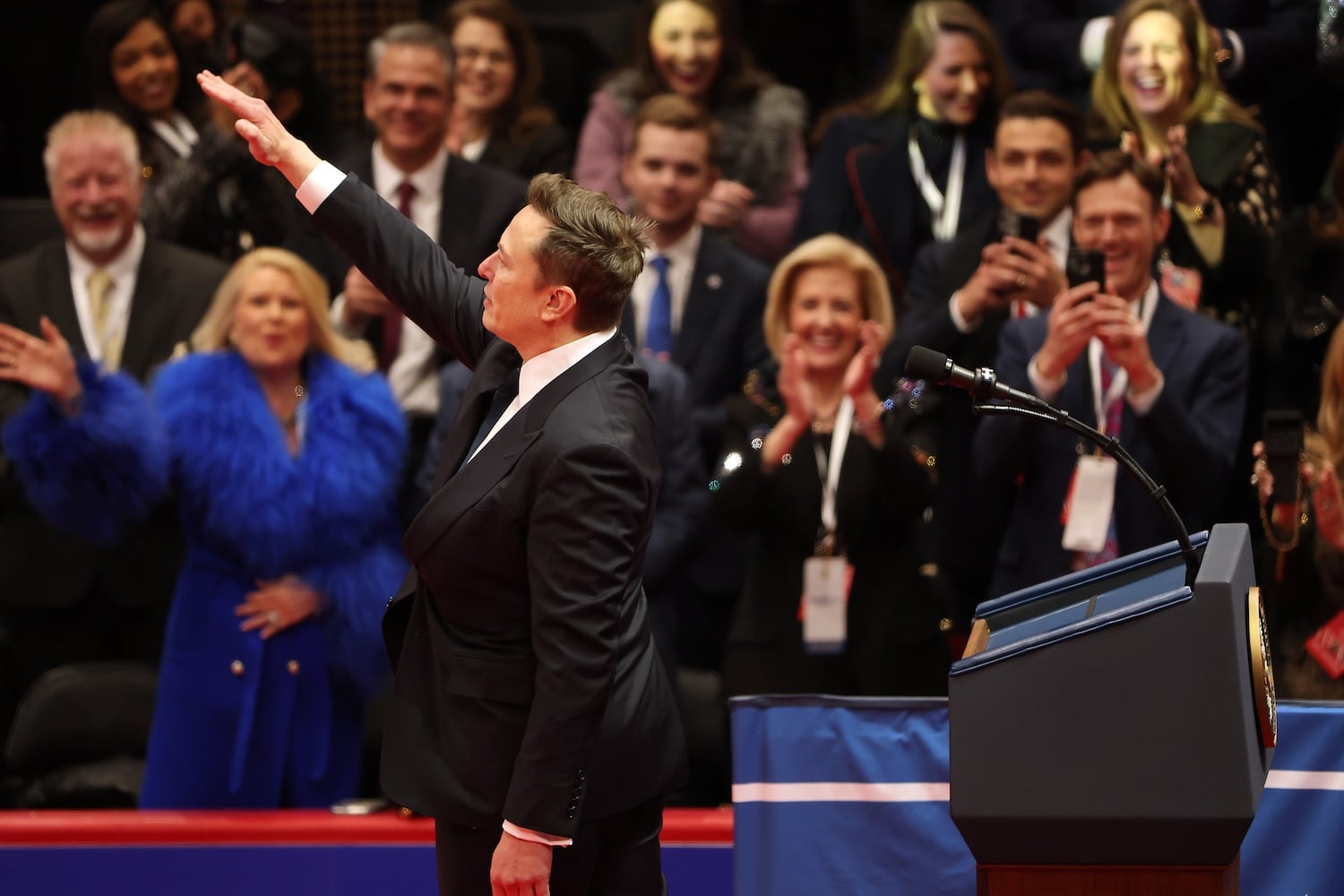
The other hurdle for Musk is that he’s created a brand that’s toxic to anyone who is politically left of center. It’s hard to imagine too many liberal people living in cities jumping into the vehicle of a man who kicked off President Donald Trump’s second term with two Nazi-style salutes.
Disappointment or success?
It remains to be seen what the Cybercab will look like in practice. And Musk’s long history of failing to deliver should give everyone pause.
Back in the 2010s, Musk promised to deliver a high-speed underground mass transit system called the Loop. He held press conferences and showed off a concept video that featured a sleek, futuristic vehicle that could carry 16 passengers while zipping around underground at 150 miles per hour. The vehicles were supposed to be completely autonomous and bring about a new era of transit for humanity.
Instead, Musk has built a tunnel under Las Vegas that features regular Tesla cars being driven slowly by humans. Will the Cybercab be similarly compromised? We don’t know yet. But one area where there could be disappointment might also relate to the price. Back in 2024, Musk promised the Cybercab would cost $30,000.
The billionaire oligarch originally said his Cybertruck would cost under $40,000. When it debuted, the cheapest model was $61,000.
Read the full article here