

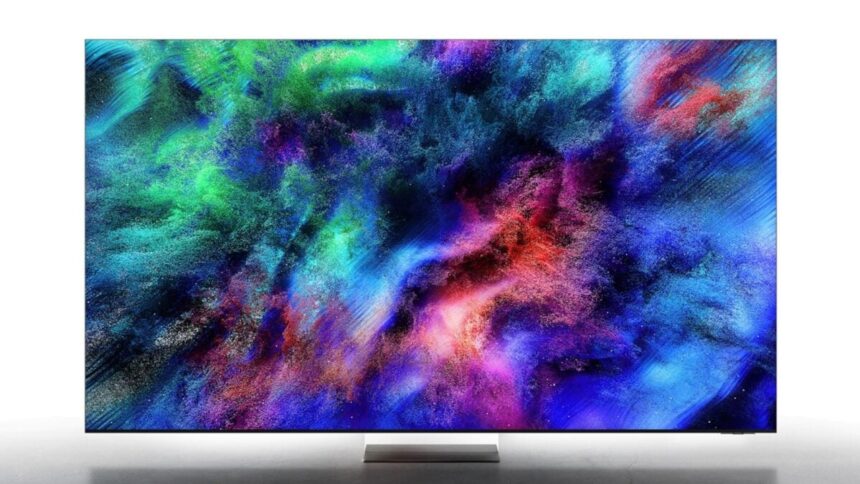
In the realm of confusing acronyms describing today’s swath of TV display types, the nascent “micro RGB” is now set to flood showrooms starting in 2026. So what the hell is it, and why are major TV brands suddenly staking a claim on yet another screen type? Let’s explore, because come the new year and CES 2026, they’re going to be all over the place.
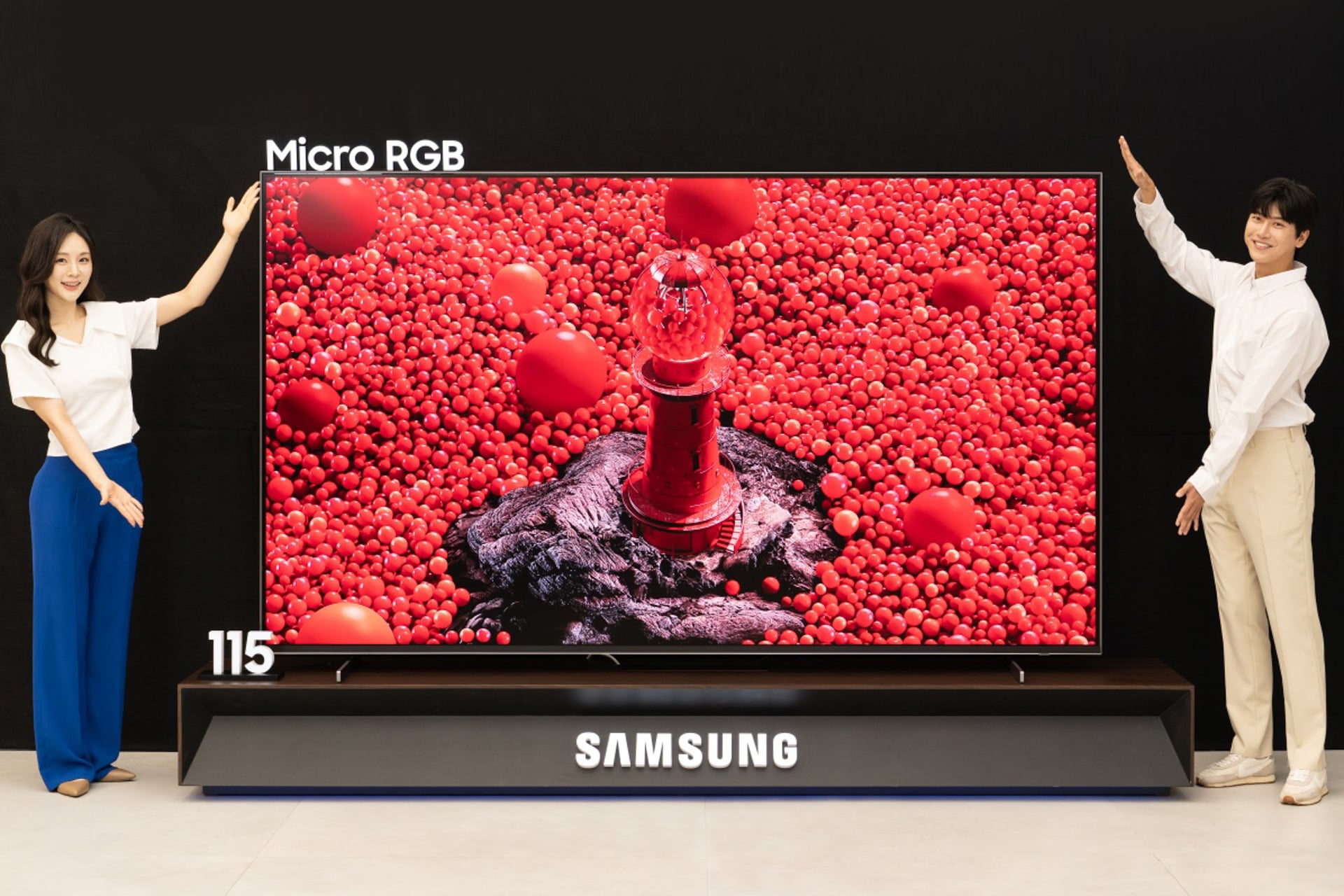
For instance, Samsung spent CES 2025 promising to launch absolutely massive micro RGB TVs. It then brought the technology to the fore in the middle of 2025 with a ludicrous $30,000 115-inch offering. micro RGB screens are similar to the local dimming technology of mini LED, except instead of white or blue light LEDs behind a liquid crystal display (hence the name LCD), these displays use tiny 100μm LEDs capable of emitting red, green, or blue light independently. On Tuesday, LG was first out of the gate, announcing its future micro RGB evo TV promises 100% color accuracy across Adobe RGB, DCI-P3, and BT.2020 color space standards.
LG’s micro RGB evo TVs only come in 75-, 86-, and 100-inch flavors, so it’s not any kind of screen that the vast majority of customers will seek to buy. In that regard, Samsung is well ahead of the game since it’s planning to launch an entire lineup of micro RGB in 55-, 65-, 75-, 85-, 100-, and 115-inch flavors. Samsung’s TVs will still be in a new “premium category,” according to its press announcement, so don’t expect even the reasonable 55-inch model to be affordable. The screen technology is still relatively new, and that means the capacity for these screens is limited and will necessarily demand a higher cost.
So why do we even care about micro RGB?
The whole point of a micro RGB TV is to offer better color control for a more accurate picture quality. Micro RGB is still LCD, which means it will need to compete against the reigning champs of OLED displays. Organic light-emitting diode displays use self-emissive lights to offer ultra-deep black levels and high-contrast colors. Modern OLED screens now include QD-OLED, which adds a quantum dot layer to enhance color accuracy on screens, and tandem OLED—which is two layers of diodes to enhance brightness. OLED screen types used to be far more expensive (and with that, suffer a risk of burn-in, where the picture would etch permanently onto the screen), but modern iterations are both cheaper and safer in the long term.
TV brands are always looking to be on the bleeding edge of screen technologies. However, what’s more important for consumers is affordability. Samsung is right to start offering smaller screen sizes that can fit inside people’s living rooms. The jury is still out on whether RGB will truly beat the displays we have or simply become yet another bland flavor of LCD.
Oh great, more TVs are getting AI ‘features’
While micro RGB may present a good picture for TV, movies, or sports, other screen types may be better for gaming. OLED normally sports better response times, which means the image of the screen refreshes faster—something important for playing games with better motion clarity and less input lag. We don’t have the specific response times or refresh rate specs on any of these new micro RGB TVs just yet (Samsung’s original 115-incher maxed out at 144Hz). LG’s micro RGB evo TV will use the same α11 AI Processor Gen 3 as its high-end OLED screens with an upgraded AI upscaler, though it will be using the company’s webOS platform.
Samsung’s TV is promising a “multi-agent platform” that suggests the Korean tech giant will be shoving a chatbot inside its latest screens. So unless you really want to have a “natural conversation with Bixby” or search for content using AI, you’re otherwise being asked to use features like Live Translate on a screen. TCL stuck Google Gemini into its TVs this year. In practice, the “feature” was as lame and inconsequential as it sounds. We doubt Samsung’s implementation will be any more interesting, despite the novel screen technology.
Read the full article here