By using this site, you agree to the Privacy Policy and Terms of Use.
Accept
Tech Consumer JournalTech Consumer JournalTech Consumer Journal
  • News
  • Phones
  • Tablets
  • Wearable
  • Home Tech
  • Streaming
  • More Articles
Reading: We Were Wrong About How the Extinct Tasmanian Tiger Hunted Its Prey
Share
Sign In
Notification Show More
Font ResizerAa
Tech Consumer JournalTech Consumer Journal
Font ResizerAa
  • News
  • Phones
  • Tablets
  • Wearable
  • Home Tech
  • Streaming
  • More Articles
Search
  • News
  • Phones
  • Tablets
  • Wearable
  • Home Tech
  • Streaming
  • More Articles
Have an existing account? Sign In
Follow US
  • Contact
  • Blog
  • Complaint
  • Advertise
© 2022 Foxiz News Network. Ruby Design Company. All Rights Reserved.
Tech Consumer Journal > News > We Were Wrong About How the Extinct Tasmanian Tiger Hunted Its Prey
News

We Were Wrong About How the Extinct Tasmanian Tiger Hunted Its Prey

News Room
Last updated: September 1, 2026 4:08 am
News Room
Share
SHARE

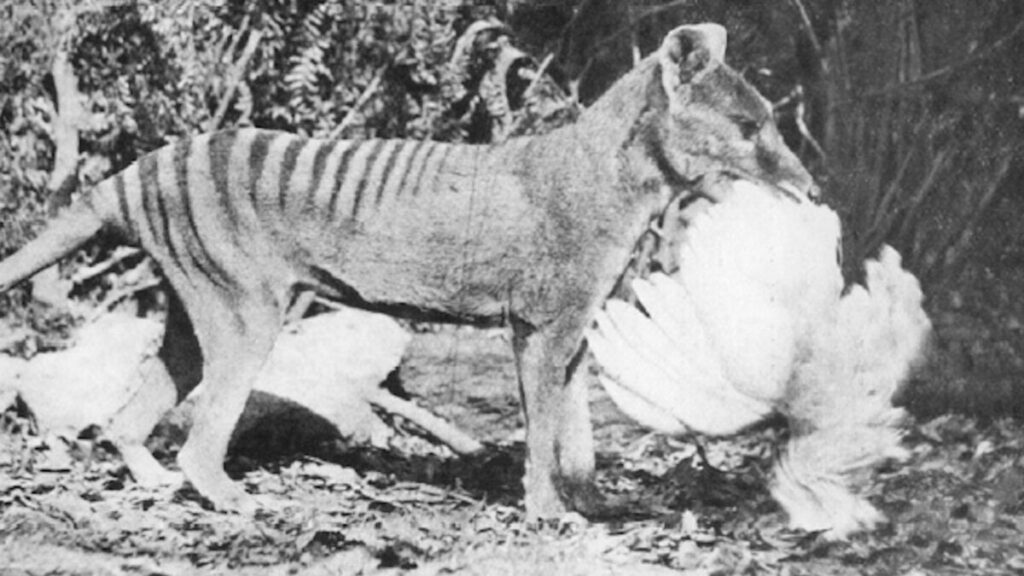
Australia’s colonists, followed by citizens of the newly autonomous Commonwealth, hunted the nation’s iconic Tasmanian tiger, Thylacinus cynocephalus, to extinction 90 years ago—seemingly because of a fatal case of mistaken identity. The thylacine, a marsupial whose dog-like anatomy led to it sometimes being called the Tasmanian wolf, also led to unfounded fears that these creatures would prey upon livestock—just like the wolfpacks these farmers knew back home in Europe.

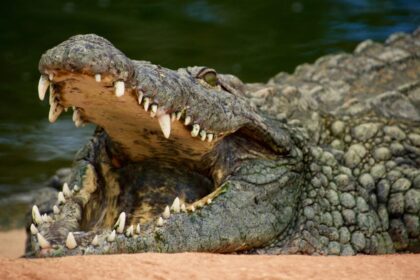
Since then, it hasn’t exactly been easy to confirm the true eating habits of this species, eradicated before its time by hostile farmers and their belligerent defenders. But a dramatic new interpretation of the thylacine’s skull anatomy has revealed more about not only what the thylacine once ate but also the unusual way in which these creatures caught their fresh kills. The Tasmanian tiger, according to this new study in Nature Communications, snatched smallish prey like bandicoots via a powerful, high-speed lethal snap not unlike a crocodile’s.

“Many crocodiles and predatory fishes have long, fast-snapping jaws used to catch agile prey like fish. Their jaws are often much longer and frequently sport tall, widened tips,” as the study’s lead author, evolutionary biologist Vera Weisbecker, explained in a statement.

“We think that the thylacine’s huge skull size allowed it to withstand these bite forces,” Weisbecker added. “The longer a jaw is, the faster its tip moves when an animal bites. This increases the impact of the strike.”

A rare breed

If correct, Weisbecker and her colleagues’ analysis would make the thylacine the only known mammal capable of killing via this powerful head-snapping bite. The researchers analyzed 3D scans and digital reconstructions of a total of 225 specimens from 14 families of mammal, including the thylacine, to better understand how its anatomy differed from other species and why.

The Tasmanian tiger, despite being considerably smaller than a wolf, typically had a large head comparable to the wolf’s head size and shape. This unusual case of parallel evolution was striking, as the team wrote in its study, because these two distant groups of mammals are “separated by 122–166 million years of evolution.”

“But while it was big, it wasn’t really shaped like the skull of a big predator,” study coauthor and paleobiologist Douglass Rovinsky said in a statement. “Instead, the thylacine’s snout was long and slender, almost delicate—not robust like the snout of a gray wolf. It very much looks like the snout of a fox or jackal, which can be much smaller than thylacines.”

Credit: Vera Weisbecker, Flinders University

Crass extinction event

Weisbecker is (understandably) unsparing in her view on the colonial-era stereotyping that led to the Tasmanian tiger’s extinction around the turn of the previous century into the 1930s. She describes it as a preventable tragedy, “a story of ignorance and lack of respect for Australia’s unique wildlife and its Indigenous custodians.”

Writing with Rovinsky and their coauthors in The Conversation, Weisbecker advised that researchers and conservationists should remember that “Western science is only part of the story.”

“[Respectfully] requesting knowledge from Indigenous custodians about the unique Australian wildlife should be key to our future research,” Weisbecker and her colleagues said. “After all, the people who lived alongside thylacines for tens of thousands of years knew exactly what kind of animal it was.”

Read the full article here

You Might Also Like

M. Night Shyamalan Launches an Earnest New YouTube Channel

Little Florida Memo Could Have Big Impacts on Flock Cameras

Podcaster’s Viral Post About the Hugging Face Hack Sparks Debate Over AI Conciousness

FTC Sues Amazon for Allegedly Duping Advertisers

GoPro Shares Skyrocket After YouTuber Markiplier Becomes Biggest Shareholder

Share This Article
Facebook Twitter Copy Link Print
Previous Article Little Florida Memo Could Have Big Impacts on Flock Cameras
Next Article M. Night Shyamalan Launches an Earnest New YouTube Channel
Leave a comment

Leave a Reply Cancel reply

Your email address will not be published. Required fields are marked *

Stay Connected

248.1kLike
69.1kFollow
134kPin
54.3kFollow

Latest News

George Santos Gets Kalshi’s First-Ever Lifetime Ban
News
Somehow the Sphere’s ‘Wizard of Oz’ Just Got Even More Dystopian
News
Scientists Discover a Hidden Supervolcano Buried Beneath England
News
MapQuest Surges in Usage as Google Bends the Knee to Trump on ‘Lake America’
News
Chess.com Vibe-Coded a Poker Site and Says More Is on the Way
News
Bank of England Governor Warns AI Represents Threat to the Global Economy
News
Trump to Communities Fighting Data Centers: Have Fun Being Poor
News
Climate Change Is Supercharging El Niño, 1,000 Years of Coral Data Shows
News

You Might also Like

News

Meta Just Made Navigation on Its Smart Glasses a Lot More Useful

News Room News Room 3 Min Read
News

After Today, the Nintendo Switch 2 May Never Be $450 Ever Again

News Room News Room 4 Min Read
News

The Best Gadgets of August 2026

News Room News Room 10 Min Read
Tech Consumer JournalTech Consumer Journal
Follow US
2024 © Prices.com LLC. All Rights Reserved.
  • Privacy Policy
  • Terms of use
  • For Advertisers
  • Contact
Welcome Back!

Sign in to your account

Username or Email Address
Password

Lost your password?