
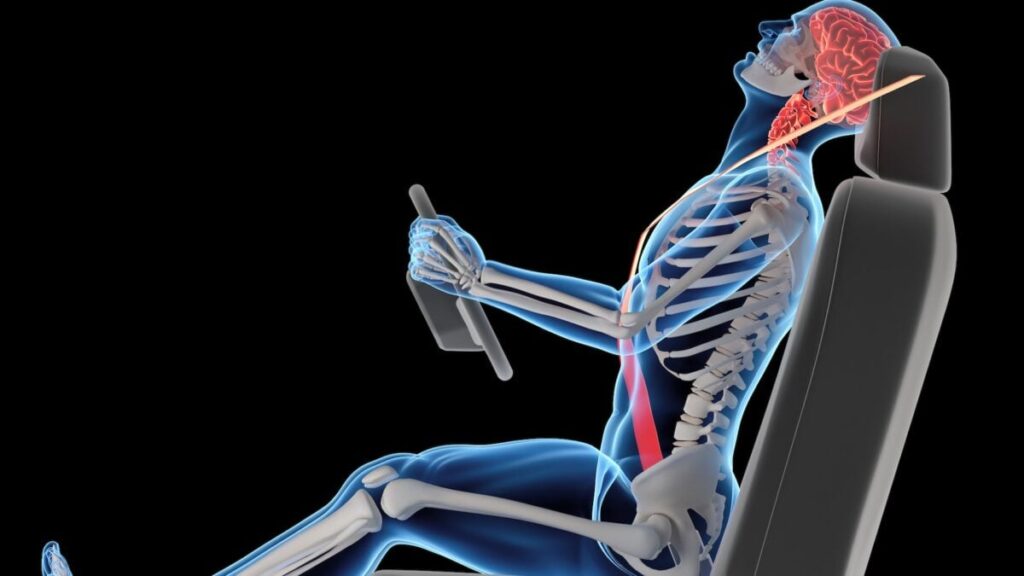
With the increasing prevalence of autonomous vehicles on the streets of several global cities, It’s sometimes easy to forget how humans still factor into their operation. Test drivers operating AVs before they’re ready to go driverless are hugely important, and a concerning report shows a consistent trend of injuries to humans in Waymo and Zoox test vehicles.
Occupational Safety and Health Administration data shows upwards of 20 injuries reported by Alphabet’s Waymo and Amazon-owned Zoox, according to a report from TechCrunch. Many of the injuries reported to OSHA involved hard braking or quick directional changes on the street and, in the case of Waymo, in service depot locations. Reported injuries include sprains, back pain, and whiplash.
TechCrunch said that injuries have risen significantly as AV companies, Waymo in particular, have made big pushes for service in new cities and subsequently have racked up more test miles. Incidents reported to OSHA were also highest in test vehicles in Los Angeles, Phoenix and San Francisco, some of the largest markets right now for all AVs.
And the test vehicles were not necessarily the purpose-built Zoox Robotaxi or Waymo Jaguar I-Pace or even the new Ojai, but things like Toyota Highlanders modified to accommodate the group of sensors needed to test the AV software.
The part about rapid expansion shows that not only are cities not always ready for the several companies pushing AVs in a short amount of time, but the companies also aren’t necessarily keeping up with the software needed for the safety of drivers, let alone riders. Continued incidents and federal safety agency probes into vehicles already operating without drivers on public roads might prompt some companies to hit the (softer) brakes on adding new service areas.
However, AV expansion isn’t only important to companies like Waymo, Zoox, Uber, and Tesla. Smaller electric vehicle automakers like Lucid and Rivian, and even the giant Hyundai, are pinning future growth on the industry. And we can expect agencies such as OSHA to put more scrutiny on what’s happening to the human drivers working to test these new vehicles.
Read the full article here