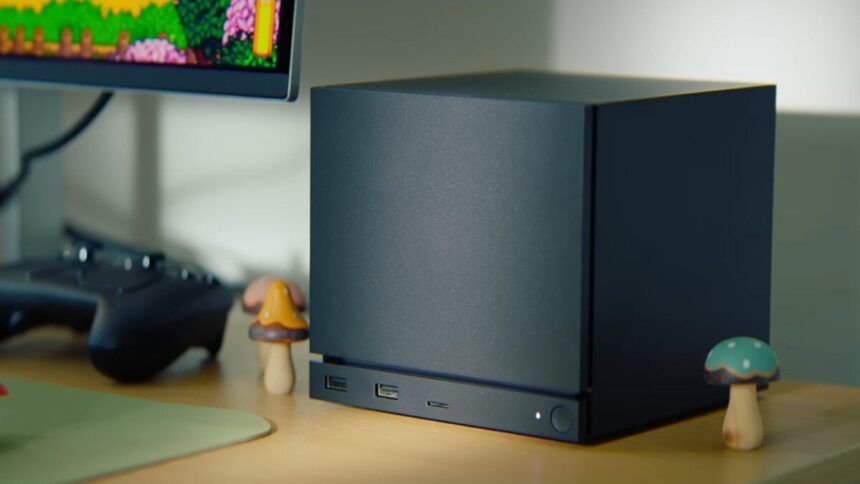
This year, we may finally see if PC gaming can become the de facto mode for play. Valve’s long-promised Steam Machine is ready to make landfall early this year. Yes, we still don’t know how much it will cost (and judging by current RAM prices, we don’t imagine it will be cheap). We doubt it will be truly powerful enough for 4K gaming. And still, it has the capacity to upset the old standard set by the major console makers and the ancient regime of Windows 11 gaming. It’s a chance for PC players to finally identify the benefit of console convenience and for the Xbox/PlayStation fans to breathe the fresh air of a far more open platform.
The decades-long debate between PC and consoles has stratified gaming into a kind of caste system. If you want customizability, you naturally need to spend more money on increasingly expensive PC parts and deal with the headache of managing drivers, updates, and graphics settings. If you want an easy breezy experience, you’re forced to stick to consoles that are locked down behind walled gardens and subscription barriers.
The Steam Machine straddles the line between the two branches. It’s a PC in all but name, though it’s not as upgradable as a standard desktop. You can change out RAM and storage options, but the CPU—a “semi-custom” AMD chip—is fixed inside. There’s an obvious negative there. You won’t be able to tweak the device’s performance in any meaningful way down the road. It instead allows developers to tune their games for a set of standardized specs. In some cases, that means you can expect better performance in games when developers can tune their titles to work for that system.
‘Steam Machine Verified’ will dictate if games are playable or not
On Friday, Valve designer Lawrence Yang told Game Developer that studios won’t have to worry so much about the “Steam Machine Verified” badges for their games. Essentially, if a title already has the “Steam Deck Verified” label slapped on it, then it should be immediately compatible with Steam Machines. It will be more complicated with the Steam Frame, since that device is using an emulator to get x86 games to run on ARM-based hardware. Games will need to run through multiple rounds of testing before they can get the Steam Frame Verified certification.
Developers want this badge because their games will then appear on a special section of the Steam store, like they already do for Steam Deck Verified titles. The incentive structure maintains an ecosystem where studios and publishers try to make their games run well on the hardware without needing to sacrifice compatibility with other PCs. Valve’s Proton layer has meant most titles without some level of anti-cheat have worked well on Linux-based SteamOS, Valve’s personal operating system for all its hardware.
That’s different compared to how Xbox, Sony, and Nintendo operate. These companies need developers to design games with the platform in mind. Both the Xbox Series S/X and PlayStation 5 use custom AMD-made chips that make their systems more PC-like than more traditional consoles. The Nintendo Switch 2 uses an ARM-based chip developed by Nvidia, and that requires far more fine-tuning to get games running well. So far, the Switch 2’s hardware has proved powerful enough; there are some games that run surprisingly well, sometimes even better than on Steam Deck. That’s all thanks to developers who take the time to optimize games for the relatively low-power system.
The beauty of SteamOS-based systems is that they’re PCs at heart. A PC’s customizability implies there are better options than what software shipped with the system. There are multiple plugins like ProtonDB that will help players determine just how playable certain games can be. The plugin surfaces other users’ best practices for launching games on the Valve-made hardware. Essentially, we won’t have to wait long before we have a crowdsourced lexicon of graphics and control options for making games play their best.
Sometimes, it’s nice to have standardized console specs
PC-first developers have normally had to test their games running across a mountain of Intel, AMD, and Nvidia components without running into the pain points of Windows operating software. That won’t change with the introduction of Steam Machine, though there will be far more players who will have an idea of whether Steam Machine can run games well or not just by looking for a “Verified” sticker.
Ease is inherent to the console experience, and it’s something the PC experience has missed out on for too long. There’s a reason why the Steam Deck became as popular as it did since its release back in 2022. It gave those gamers with a mountain of Steam games a way to play their library on the go. More than that, more high-end games started shipping with handheld-specific graphics settings that meant players didn’t need to check and uncheck boxes until they could achieve a playable frame rate.
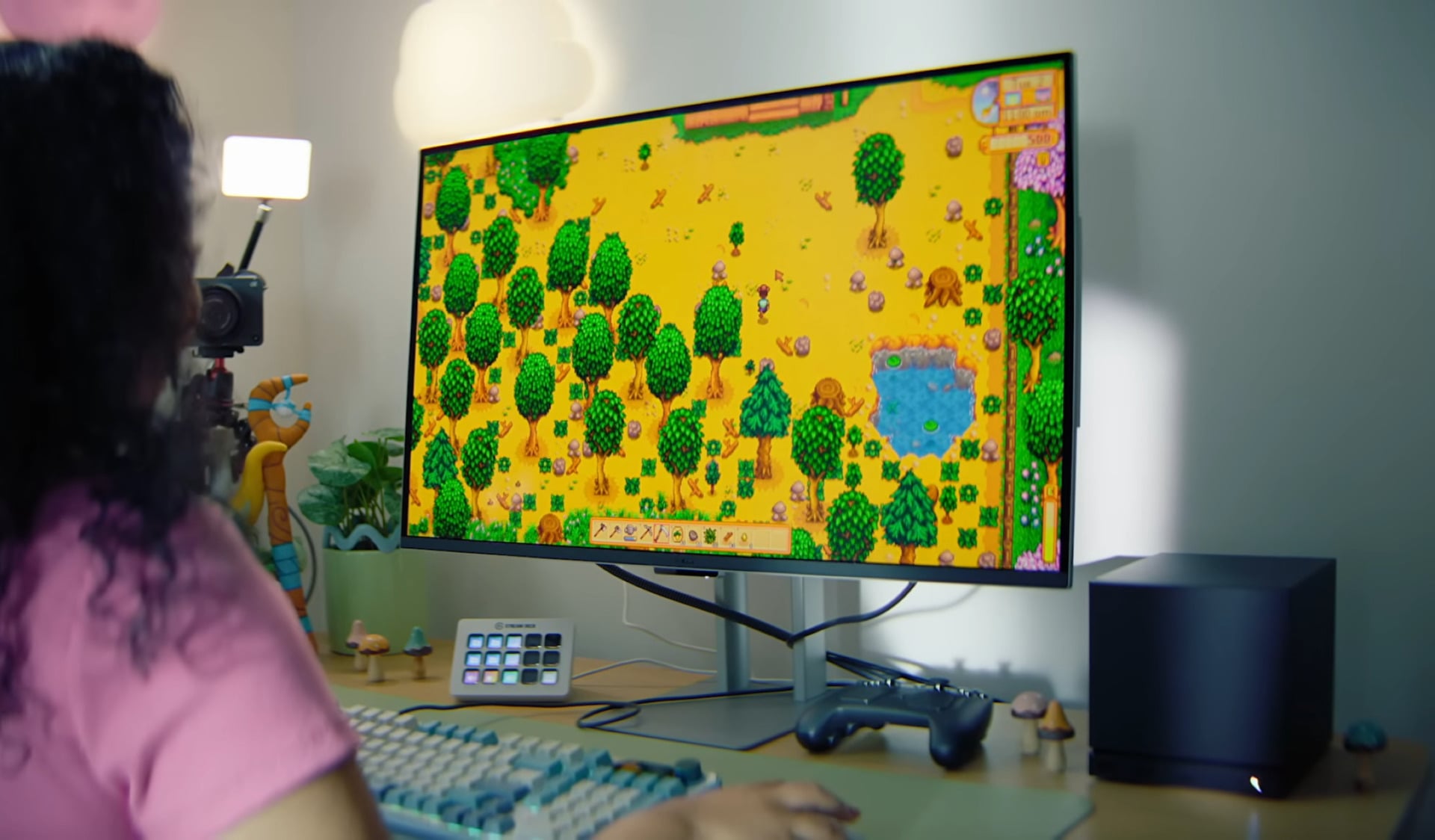
That console-like convenience. The difference between a PlayStation 5 and a Steam Machine will be how you should be able to go into the operating system to add what you want. On Steam Deck, I’m able to access my Epic Games Library through third-party launchers or plugins like Junkstore on Decky Loader. I can add in retro emulators for playing my older collection. SteamOS, being Linux, means that any number of PC hardware can be compatible with the device.
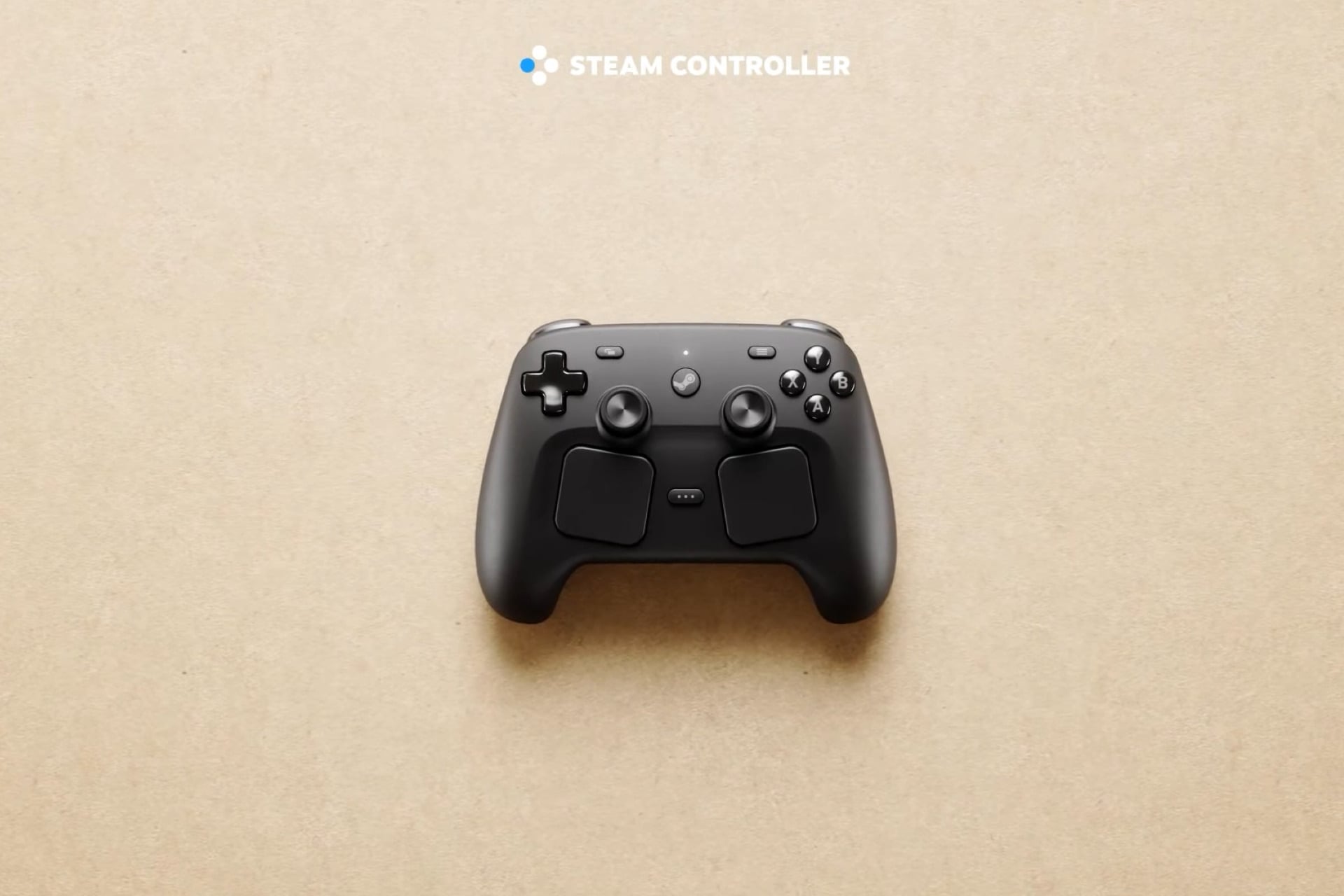
You can appreciate the kind of open design Valve is going for. The upcoming redesigned Steam Controller with the odd pair of trackpads will use a dedicated wireless receiver that also acts as a charging unit. Yang told Game Developer that was to keep the device from clogging up with too many Bluetooth signals. It’s a small thing, but whereas other console makers force users to buy controllers with proprietary signals (there are only a few controllers that can wake the Switch 2), the Steam Machine won’t have that problem.
The Steam Machine could inspire more copycats
The reason why Valve isn’t locking down its software like other consoles do has more to do with economics than any moral compunction. Valve cares first and foremost about selling games on Steam. That distribution platform encompasses tens of millions of players at any one time. Valve doesn’t care much about how you get there, so long as the Gabe Newell-led company gets its hands on its typical 30% tithe of game purchase revenue.
Valve’s hardware has done well so far, but it is nowhere close to other gaming devices on the market. Based on IDC data examined by The Verge, the Steam Deck is the best-selling handheld PC available and has likely sold beyond 4 million units since its launch four years ago. Nintendo expects to ship 19 million Switch 2 units by this March. Circana analyst Mat Piscatella recently reported the attachment rate for Sony’s PlayStation Portal remote player and cloud gaming device reached a 5% attachment rate for PlayStation 5. That may only be in the U.S., but it still represents millions of units sold for a device that’s nowhere near as capable as the Steam Deck. In Valve’s mind, the Steam Machine doesn’t have to sell as well as other consoles to be a success. It just needs to make Steam more approachable to more players.
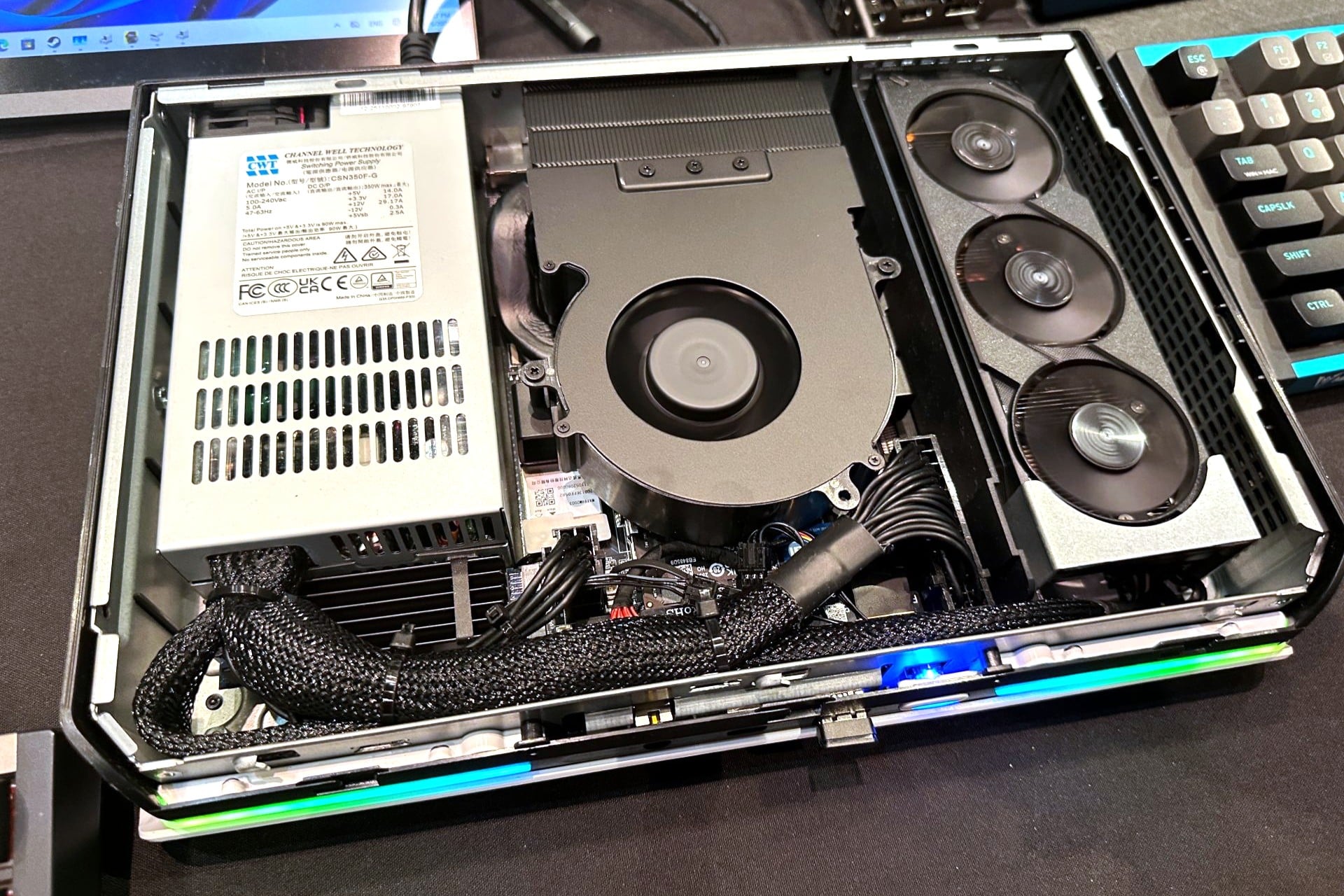
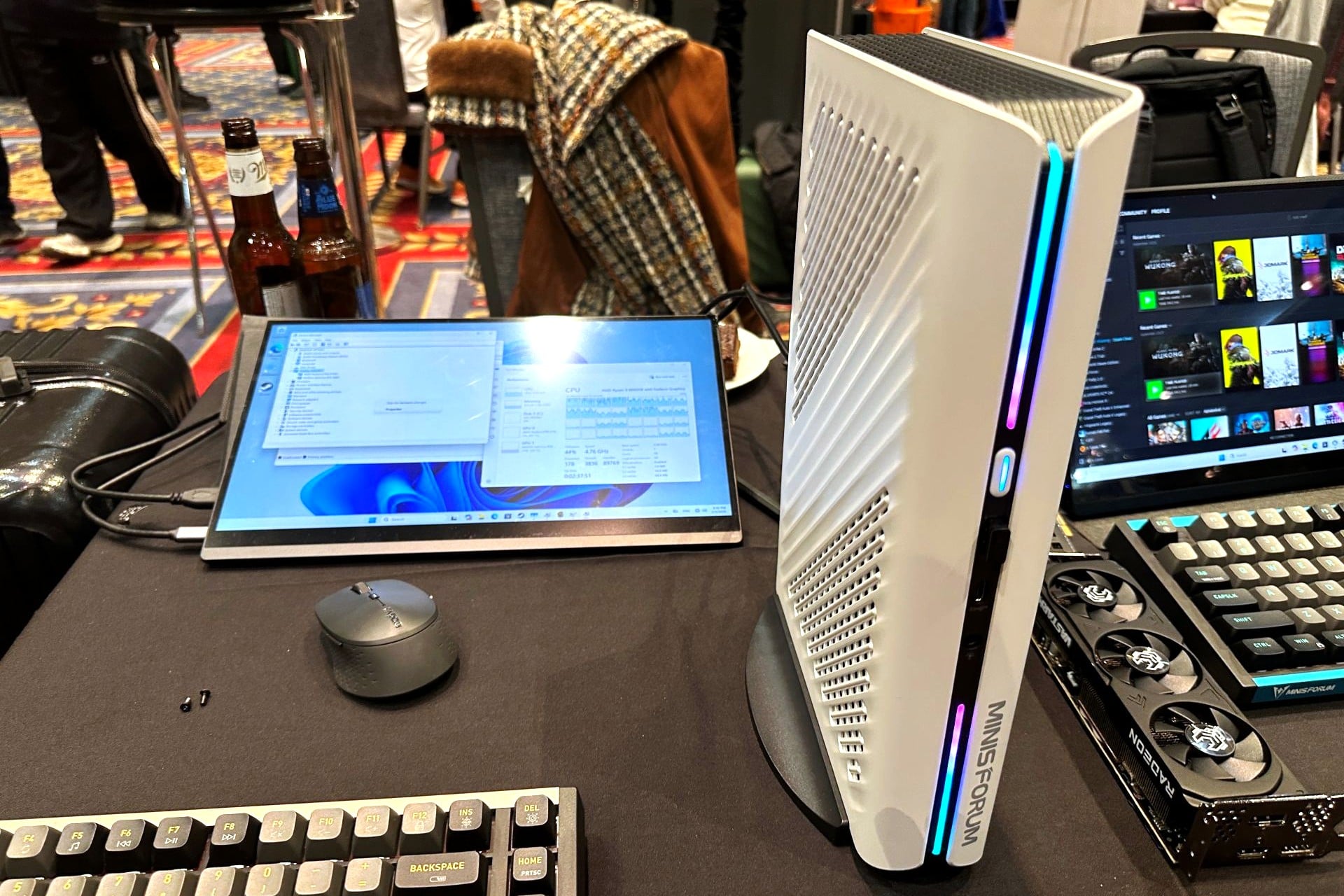
The above pic is for a Minisforum AtomMan G1 Pro, an $1,800 miniPC built for gaming with a discrete GPU, something the Steam Machine doesn’t have. There are more consolized PCs coming, as well. Xbox’s next console is promising to do something very similar to the Steam Machine using Windows instead of SteamOS. Valve could be paving the way for future hardware that crosses the boundary between systems. I can already see PC makers like Lenovo crafting their own Linux-based PC/console hybrid. We may find more mini PCs and more customizable systems running SteamOS.
There are many reasons to be wary about the state of gaming today. At least the Steam Machine may show us a possible future of a far more open gaming landscape.
Read the full article here