If you’re only just crawling out of the mountain of snow piled onto the U.S. eastern seaboard, you may be wondering where the month of February went. If this is your first time seeing the sun in weeks, we have the best gadgets from the last 28 days for you to peruse so you can return to your frosty hibernation.
In February, we witnessed the impacts of the ongoing memory shortage, and it’s only getting worse. The price of RAM sucked the air out of expected launches like Valve’s Steam Machine. Any tech that did hit the scene this month was more expensive than previous iterations. Samsung brought us our first Galaxy Unpacked event of 2026 and left us with several new Galaxy S26 phones. The S26 and S26+ are both $100 more expensive than the same models of the S25 lineup without any major hardware upgrades. Instead, Samsung is relying more on new, “agentic” AI features than ever before.
Thankfully, we were swarmed with many examples of quality tech from unexpected places. This month, Gizmodo had the opportunity to trawl through the halls of Toy Fair 2026, where we went hands-on with new arcade machines, smart Legos, and tech toys galore. March is set to be even bigger for tech. Apple could launch the iPhone 17e and affordable, extra-colorful MacBooks. Stay tuned for next week, as Gizmodo will be here to offer you the first look at whatever the tech giant has in store.
While the S26 and S26+ are beholden to new AI integrations, the $1,300 Galaxy S26 Ultra jealously holds onto one feature no other mobile device has: Privacy Display. Samsung’s latest flagship smartphone is the first to feature a screen that appears dark at side angles while remaining perfectly visible when facing the screen directly. Users can change device settings to darken the whole or parts of the screen to keep nosy neighbors from glancing at your texts or notifications. We’ve seen the feature in action, and it works so well it could be the main defining feature for the S26 Ultra, even more than any extra camera zoom functionality.
See Galaxy S26/S26+ at Samsung.com
See Galaxy S26 Ultra at Samsung.com
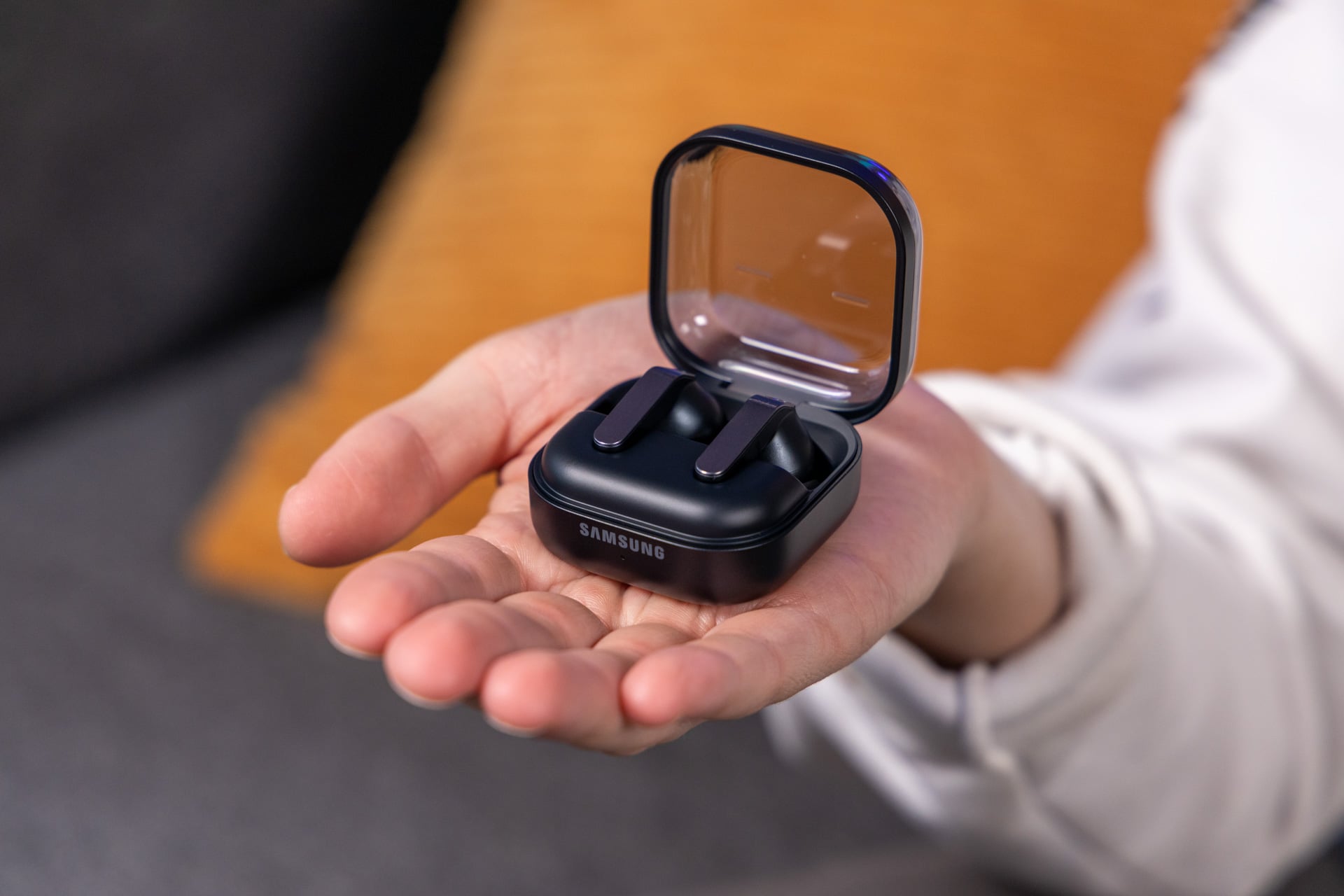
While Samsung’s latest Galaxy S26 phones are going all-in on AI, the tech giant’s latest wireless earbuds go back to basics in the best way possible. Gone is the AirPods-like stick shape. It’s replaced a flat stem and a case that features both buds lying on their sides. The main reason you get these buds is for the sound quality. The audio is broader and more refined than the previous version. Compared to the Google Pixel Buds 2a, Samsung didn’t shove any needless AI features inside. These are a great pick for Galaxy users or anybody who wants quality sound for $250.
See Galaxy Buds4 Pro at Samsung.com
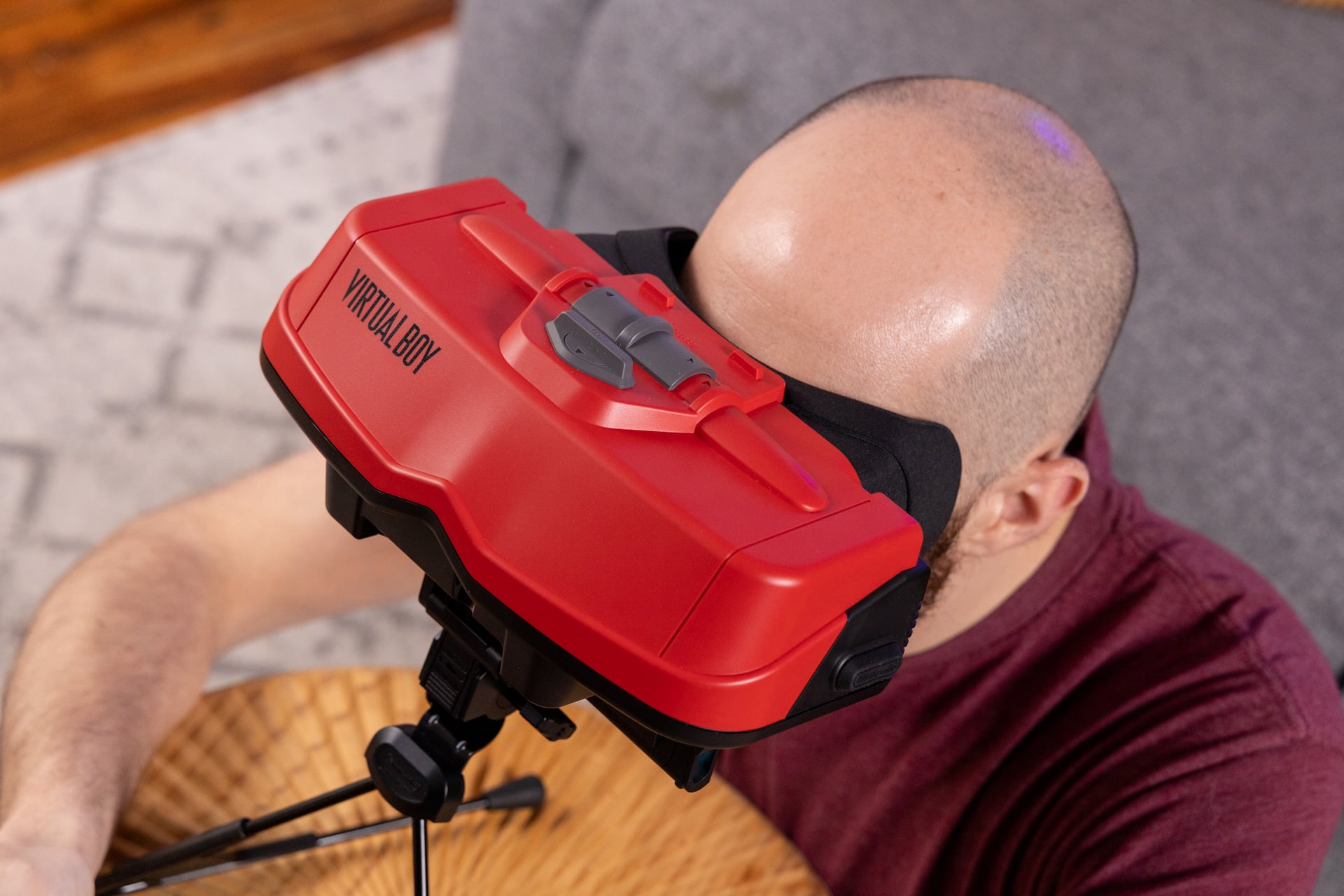
There may be very few lingering “fans” of Nintendo’s worst-selling console of all time, but that didn’t stop the Mario maker from shipping an incredibly accurate and surprisingly compelling recreation of the 1995 Virtual Boy. The accessory accepts either an original Switch or Switch 2 and then lets users play from a selection of the early glasses-less 3D titles. The device is accurate to the original, all the way down to its fake IPD and focus toggles. It’s not a comfortable experience, but that’s the point. This Virtual Boy is built for wannabe games archaeologists. Playing these early 3D titles will help us understand what the Virtual Boy was trying to accomplish, even if the original proved itself one of Nintendo’s biggest financial failures.
See Switch 2 at Amazon
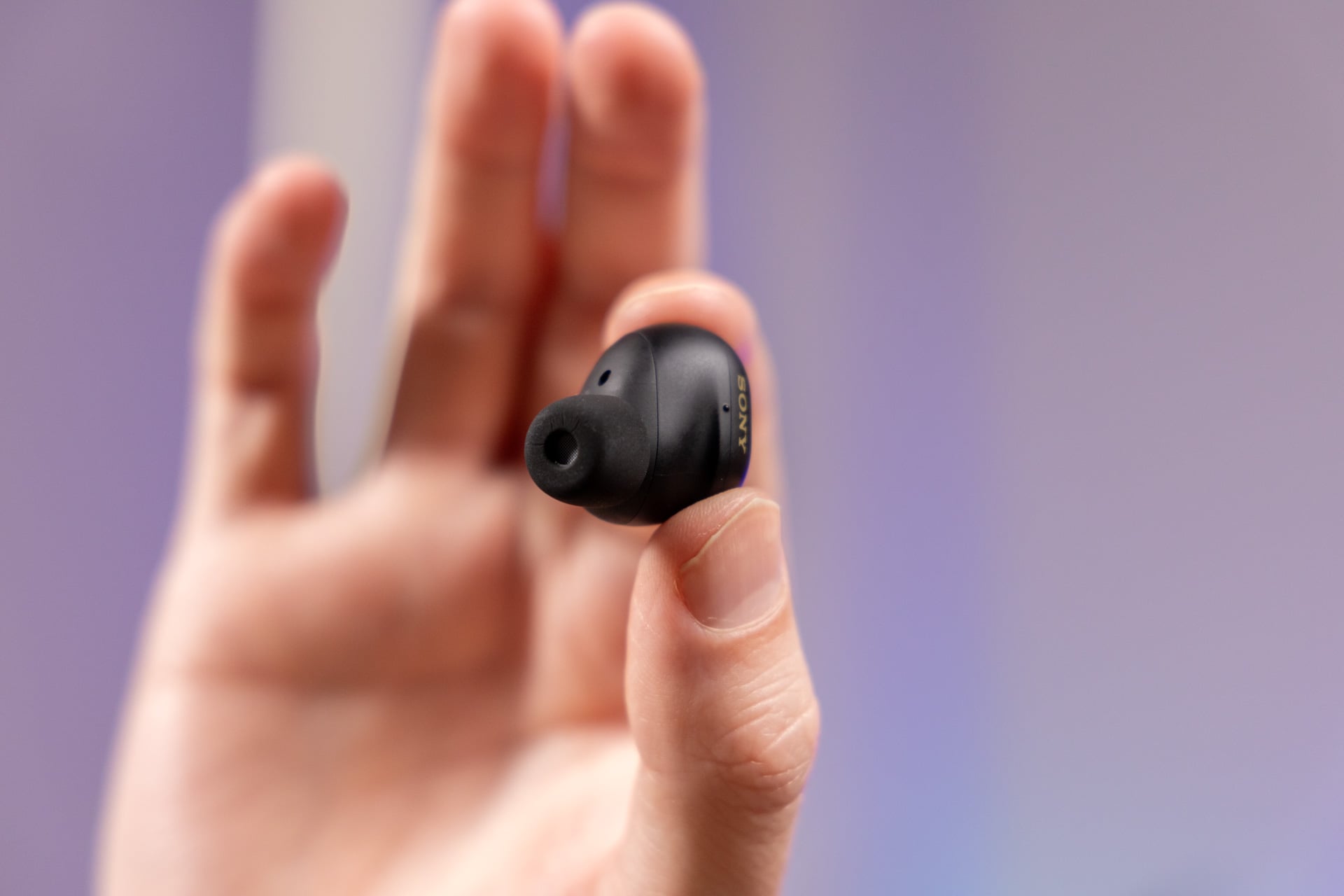
Sony’s latest wireless earbuds help cement the company as one of the greats for pure sound quality when on the go. The audio from these buds is clear, even over Bluetooth. The full range of Sony’s new drivers makes listening a joy, even though its ANC quality isn’t top-notch like the Bose QuietComfort Ultra Earbuds (2nd Gen). The Sony bud’s microphone is also enhanced with a bone-conducting sensor, which helps determine if you’re the one speaking rather than that couple arguing nearby. This could be useful when you need your music to cut out so you can talk to the clerk behind the register. The WF-1000XM6 also boast a strong, eight-hour battery life with ANC.
See Sony WF-1000XM6 at Amazon
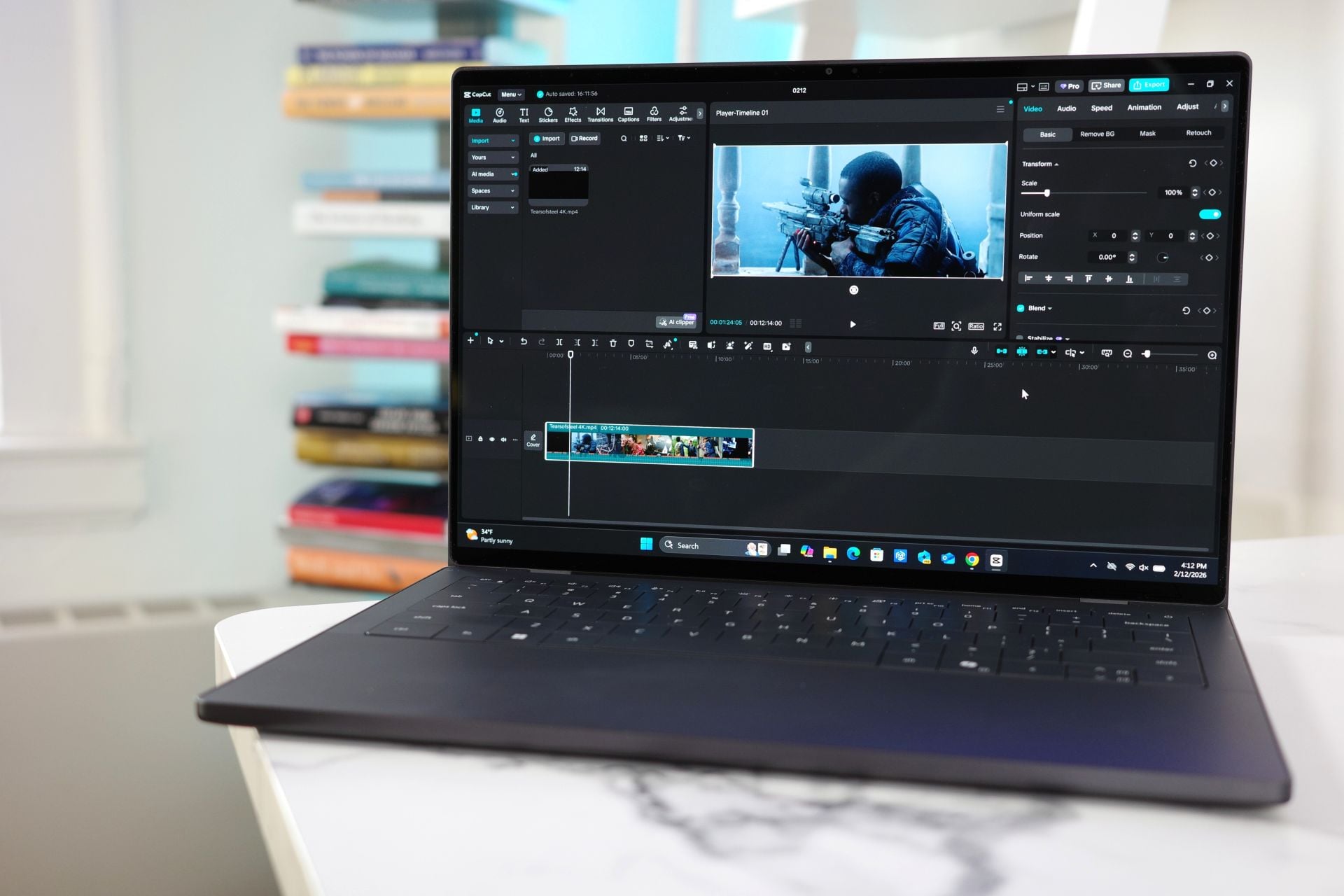
When Dell announced it was bringing back the XPS moniker at CES 2026, it came as a moment of “I told you so” by the collective PC press. Thankfully, the Dell XPS revision for 2026 is a solid PC in its own right. The laptop is sturdy, pretty to look at, and packs in some excellent speakers despite its small size. It’s one of the first PCs to launch this year with Intel’s new Core Ultra Series 3 chip. While the Core Ultra X7 358H CPU isn’t as promising as the top-end X9 chip, the XPS 14 offers solid graphics performance and strong battery life that can last through a full day of work. Our only major complaint is that it tried to ape Apple’s MacBook Air design too hard, especially with only three USB-C Thunderbolt 4 ports. In the end, it’s a great all-around PC, just as XPS should be.
See Dell XPS 14 at Best Buy
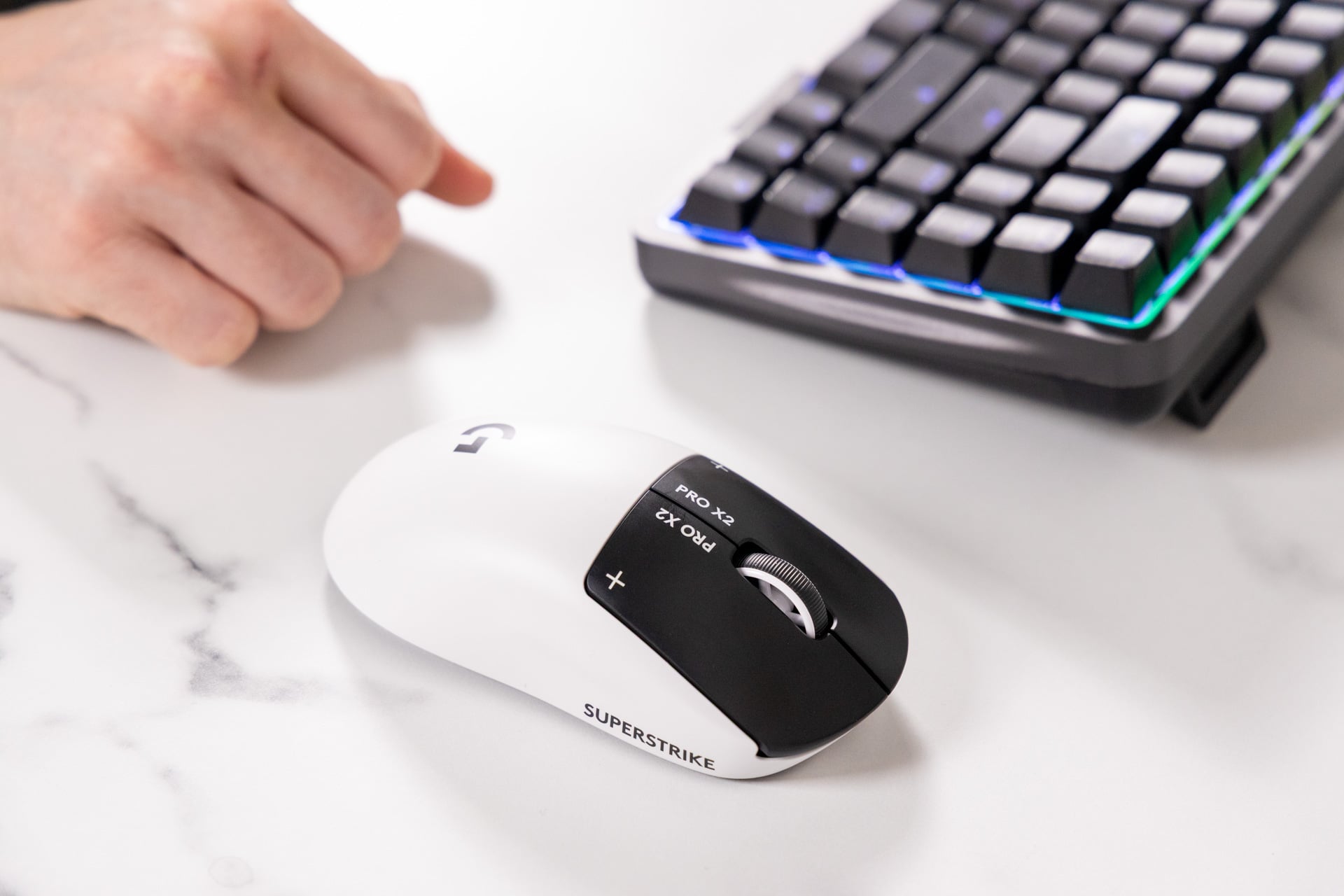
The gaming mouse circles have been thrown into a tizzy over the Logitech G Pro X2 Superstrike, all because of its haptic click. Instead of using a typical mechanical or optical mouse click sensor, Logitech’s novel PC controls use magnetic sensors to gauge the depth of your left or right mouse button. It then uses haptic vibrations to simulate a traditional “click” sensation. This means you can customize the actuation point of the mouse and enable a “rapid trigger” setting to spam button presses. It works surprisingly well for games like Valorant or Counter-Strike 2 and even in titles that demand a high click rate, like Hades II. We expect many more mice will ape the G Pro X2 Superstrike’s design in the coming years.
See Logitech G Pro X2 Superstrike at Best Buy
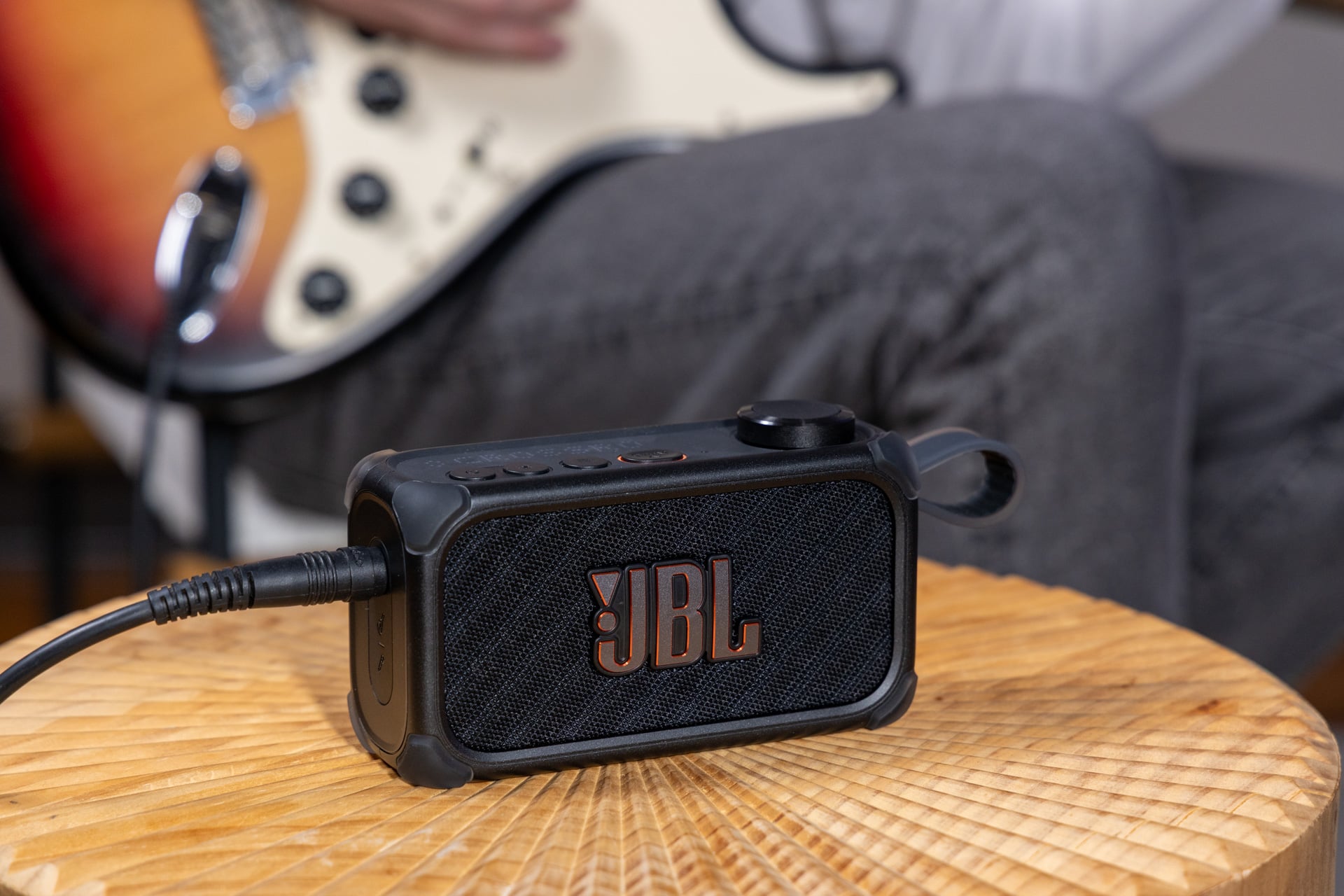
Have you ever tried Apple Music’s karaoke feature and wondered why you couldn’t do that to all the songs in your library or—better yet—tune out other parts of the song like guitar or drums? JBL’s Bandbox Solo speaker has an “AI Stem” feature that helps you craft your own stems for music making without a far more elaborate and expensive hardware setup. While there are other software solutions that allow you to craft stems, the Bandbox Solo makes it easy to do it on the go or when jamming out alone or with friends.

Stern’s pinball machines are a usual highlight every time we see them at CES. The company’s latest work with the Pokémon Company for the brand’s 30th anniversary may be its most evocative and hectic machine yet. The Pokémon pinball machine doesn’t resemble the old Pokémon Pinball and Pokémon Pinball Ruby & Sapphire games of the Game Boy era. However, it still allows you to hit a Pokédex button to find and capture one of the original 151 creatures from the first Pokémon Red and Blue games. It also features original voice lines from Rodger Parsons, the original anime series’ narrator. The rub with this machine is how much it costs. It starts at $7,000, but you need to spend at least $9,700 for an animatronic-enabled Pikachu.

Sure, the Fender Mix is merely a licensed product, not made by the legacy music brand itself. That doesn’t mean you should sleep on these wireless headphones. The Mix is one of the few pairs of wireless headphones to include a 2.4GHz dongle inside the earcup. You can plug this into your phone to finally listen to better lossless audio without having to resort to a wired alternative. Better yet, the Mix’s earcups, headband, and batteries are all replaceable. While the wireless headphones lack an app for customizable EQ, the Mix may be one of the most versatile headsets we’ve seen in a long while.
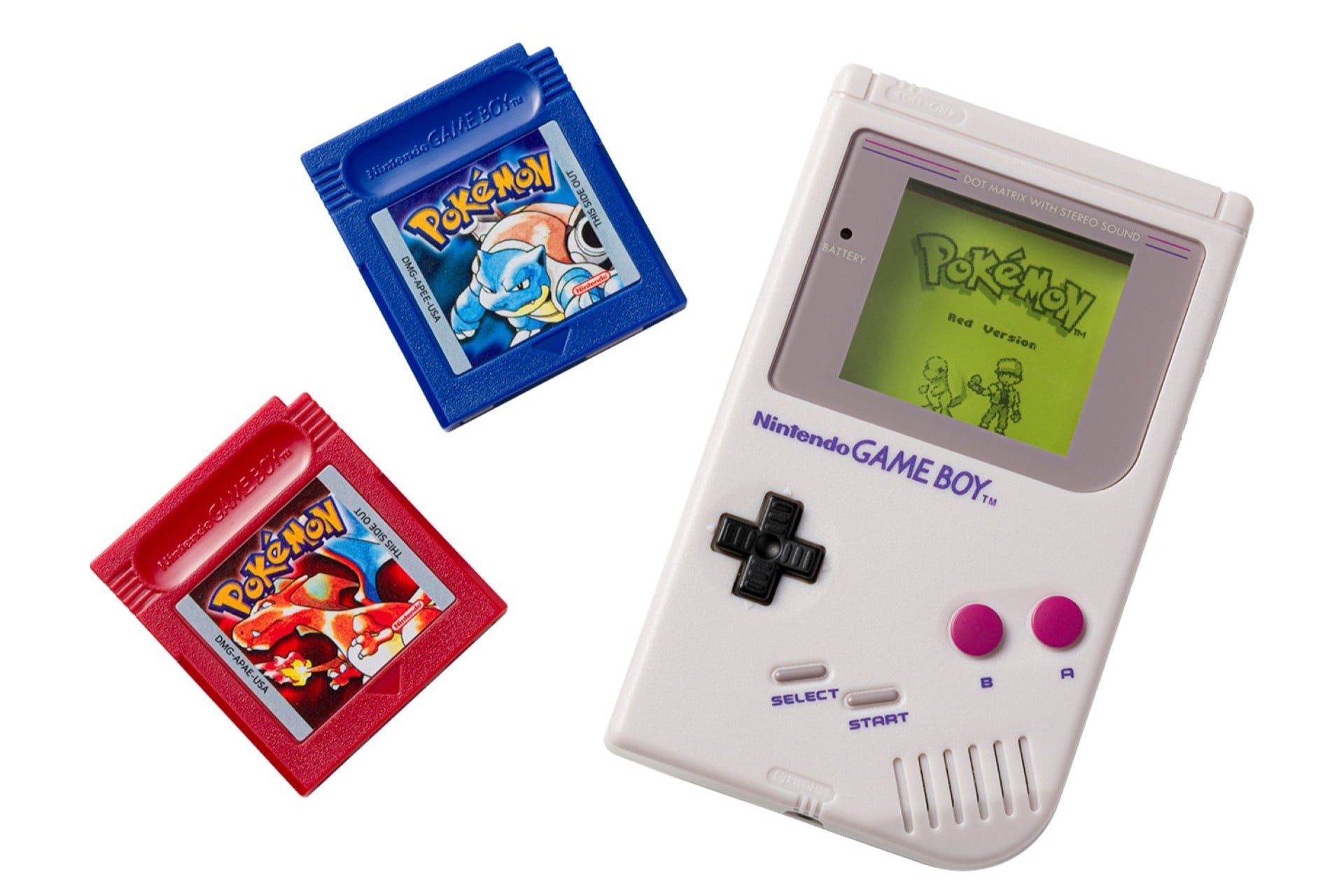
If you want to jam out to the original Pokémon Red and Blue soundtracks, you could dive into your desk drawer to hunt for your original Game Boy and put it on loop. Or, you could look out for the Pokémon Jukebox. It’s a keychain-sized speaker that’s basically a cassette player for all the tunes from the original game. The Pokémon Company showed the device off for its 30th anniversary celebration, but Gizmodo had a chance to check it out early at Toy Fair 2026. The box comes with dozens of Game Boy-like cartridges you slot in to play each individual tune. Unfortunately, the Game Boy’s buttons are modeled on the device and don’t actually control the audio. Still, what I heard from the miniaturized handheld seemed on par with the original, tinny Game Boy speakers. The device should be available at the Pokémon Center website starting Feb. 27.
Read the full article here