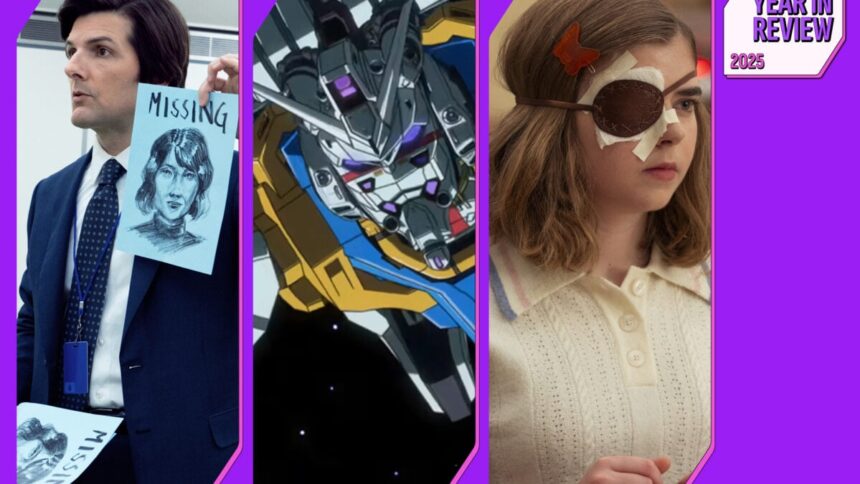
io9 watched a lot of TV this year. And while we enjoyed a great deal of what we saw, these 12 shows—listed in alphabetical order below—impressed us the most. They all took creative risks while boasting exciting storytelling and stellar performances (including, as it happens, stellar turns by three different members of the Skarsgård family). And while some have more seasons on the way, and some are wrapped forever, we’ll continue to rewatch these episodes that helped make 2025 such a memorable year on the small screen.
Alien: Earth
Setting a TV show in the world of the Alien movies seemed like a risky idea at first. Unlike the Westworld series, which created an almost entirely new story inspired by its source material, Alien: Earth was set up as a prequel that directly tied into the continuity that gave us Ripley, the Nostromo, and Weyland-Yutani. It shouldn’t have worked, but in the capable hands of Fargo series creator Noah Hawley, it exceeded all expectations, deepening the Alien mythology while crafting new characters and high-stakes frights right here on Earth. It also achieved the near impossible, dreaming up a monster (here’s looking at you, eyeball guy) even scarier than a Xenomorph.
Andor
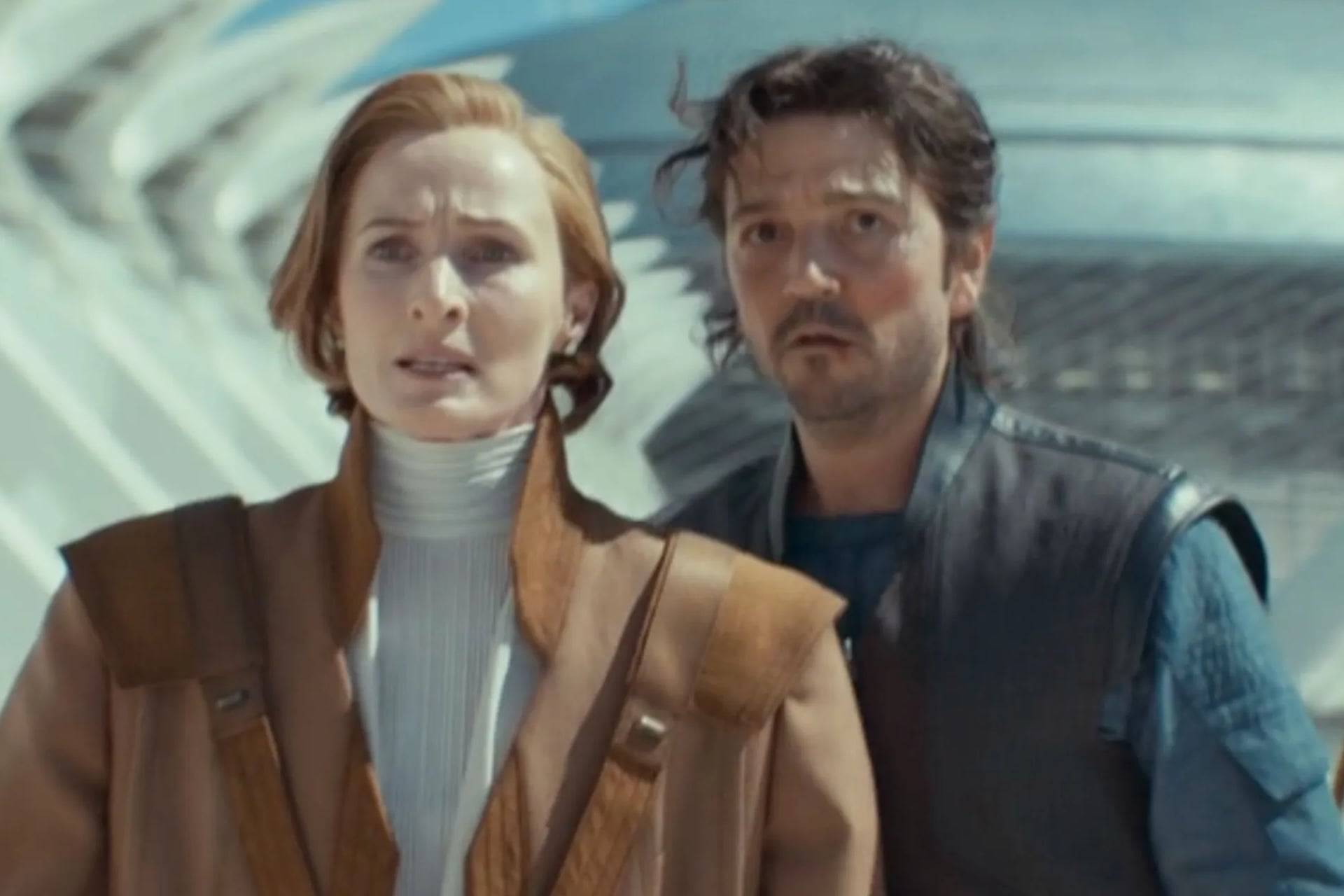
We spent years wondering if Andor could strike gold twice. As much of a shock to the system its first season was, upending what Star Wars could do not just in the TV format but also in holding a mirror to our own world as it navigated the realities of resistance to a fascist engine, it also came with a trepidation. Could season two render perfection imperfect, the whole project somehow lessened by a sophomore that was simply good or even great, rather than transcendent?
It turns out we needn’t have worried. Andor‘s second season didn’t just match the effervescent quality of its first; it smartly evolved the series’ lens as it barreled towards the events of Rogue One that have been hanging over Cassian’s head like a lightsaber of Damocles. Anchored in a gut-wrenching arc around the planet Ghorman and its response to Imperial control, season two held that mirror up to our reality all the more ardently, whether it really meant to or not, while digging even deeper into the support network of characters coming in and out of Cassian’s orbit, from unsung heroes like Kleya to the compellingly awful rise and fall of figures like Dedra and Syril. Andor‘s watch may have come to an end, but it brought with it a feeling of hope—not just for the galaxy far, far away’s yearning to be free from the yoke of totalitarianism, but that Star Wars can still make us feel like this going forward.
Common Side Effects
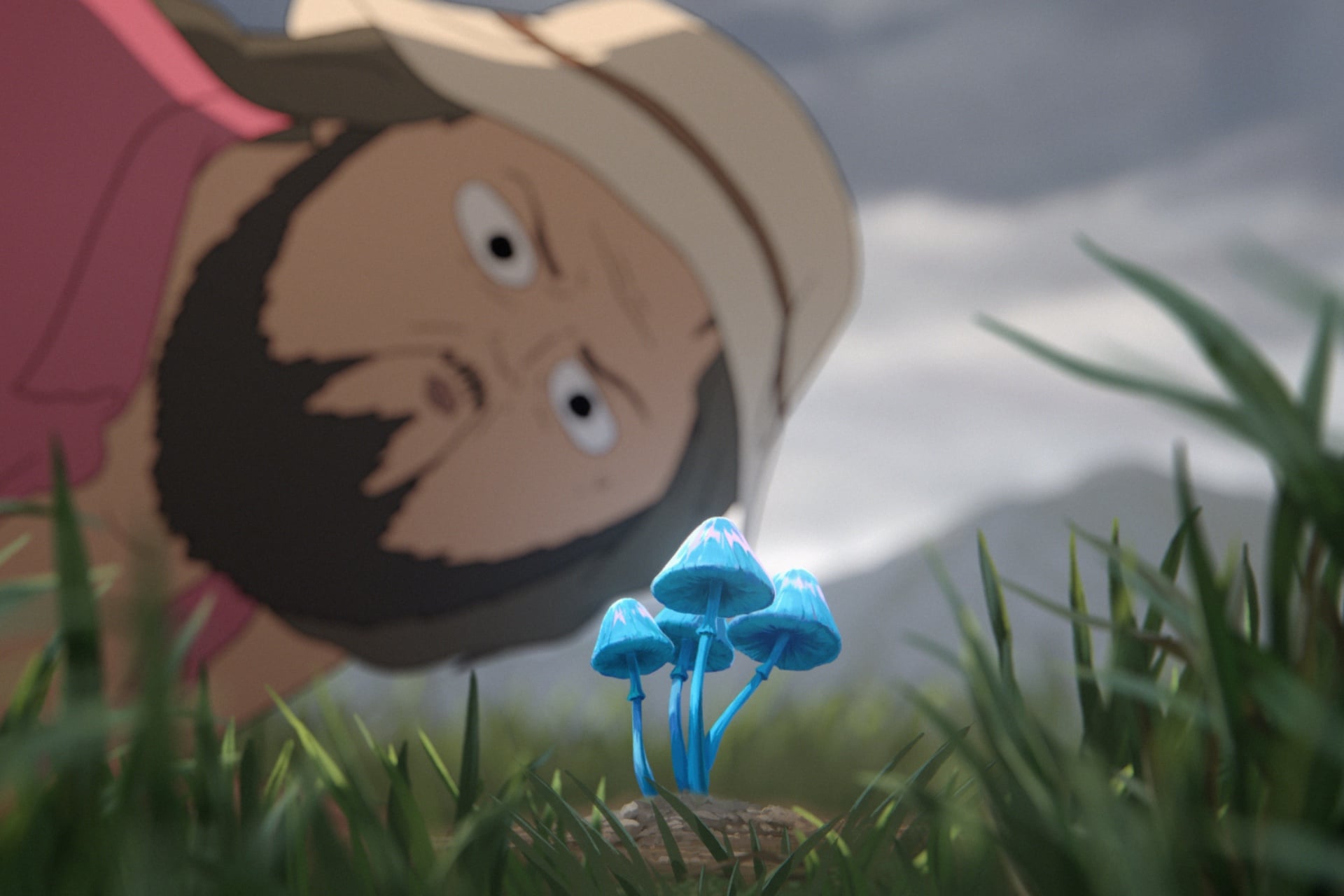
It could have been a live-action drama, but it was a brilliant Adult Swim experiment. An eccentric scientist discovers a fungus that can heal any ailment, then teams up with his former high school lab partner, who’s reluctantly toiling at a soul-sucking job with Big Pharma. While a miracle cure would seem to be a good thing for the world, drug companies and the government, who stand to lose billions, disagree—and Common Side Effects becomes a cat-and-mouse thriller, elevated to surreal heights with animation that helps the story explore all the realms of the mushroom’s trippy effects and brings in plenty of quirky humor to boot.
Dan Da Dan
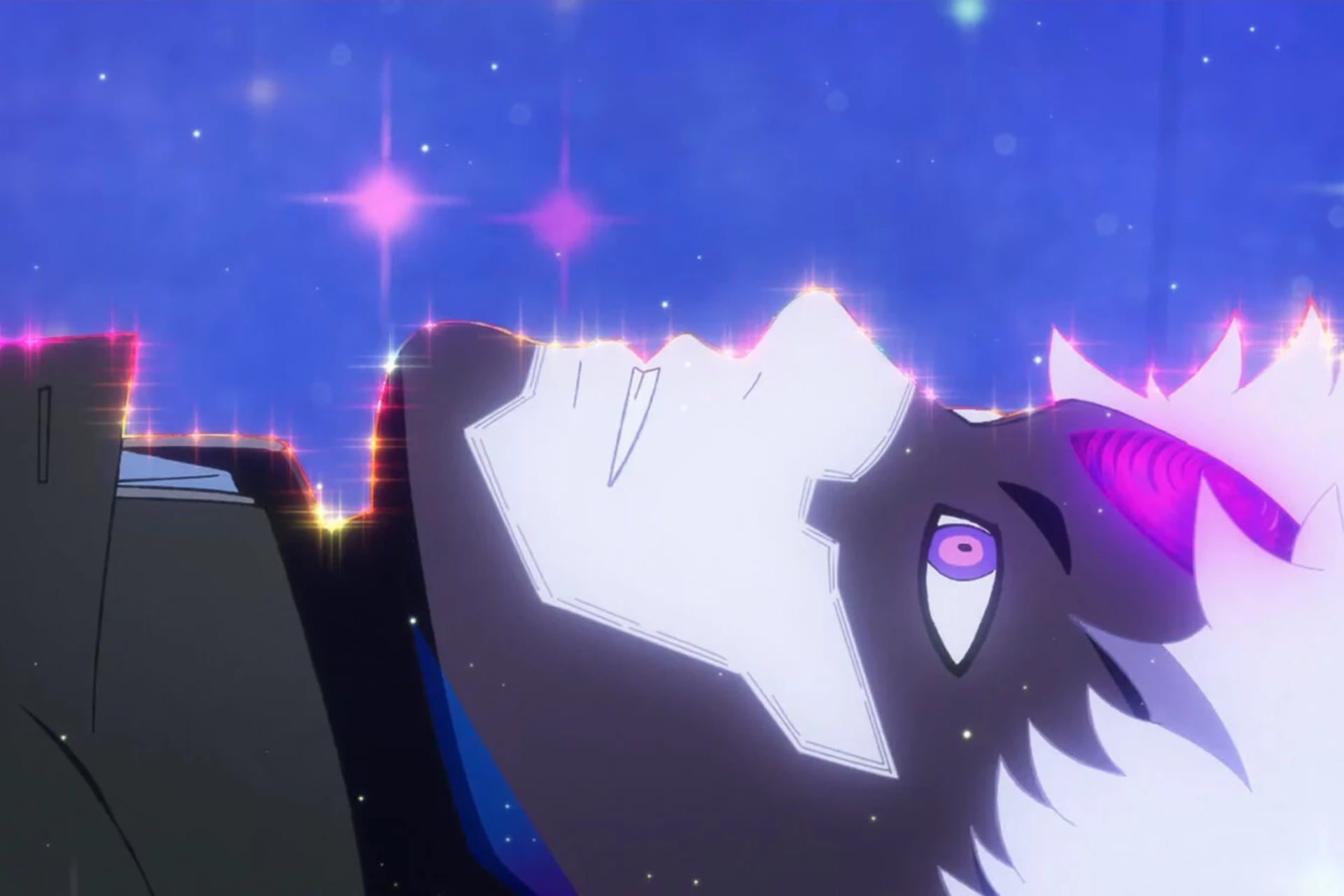
After a great debut last year, Dan Da Dan returned with a sophomore season that had more: more antics, more supernatural and aliens, more Momokarun, and more time with this cast. Each week, Science Saru brought its A-game to adapting the popular shonen series, from the quiet moments to the rip-roaring and everything in between. With some fun new additions to the cast arriving at the end of the season, we can’t wait to see what they bring to the already impressive table when season three comes around.
Futurama
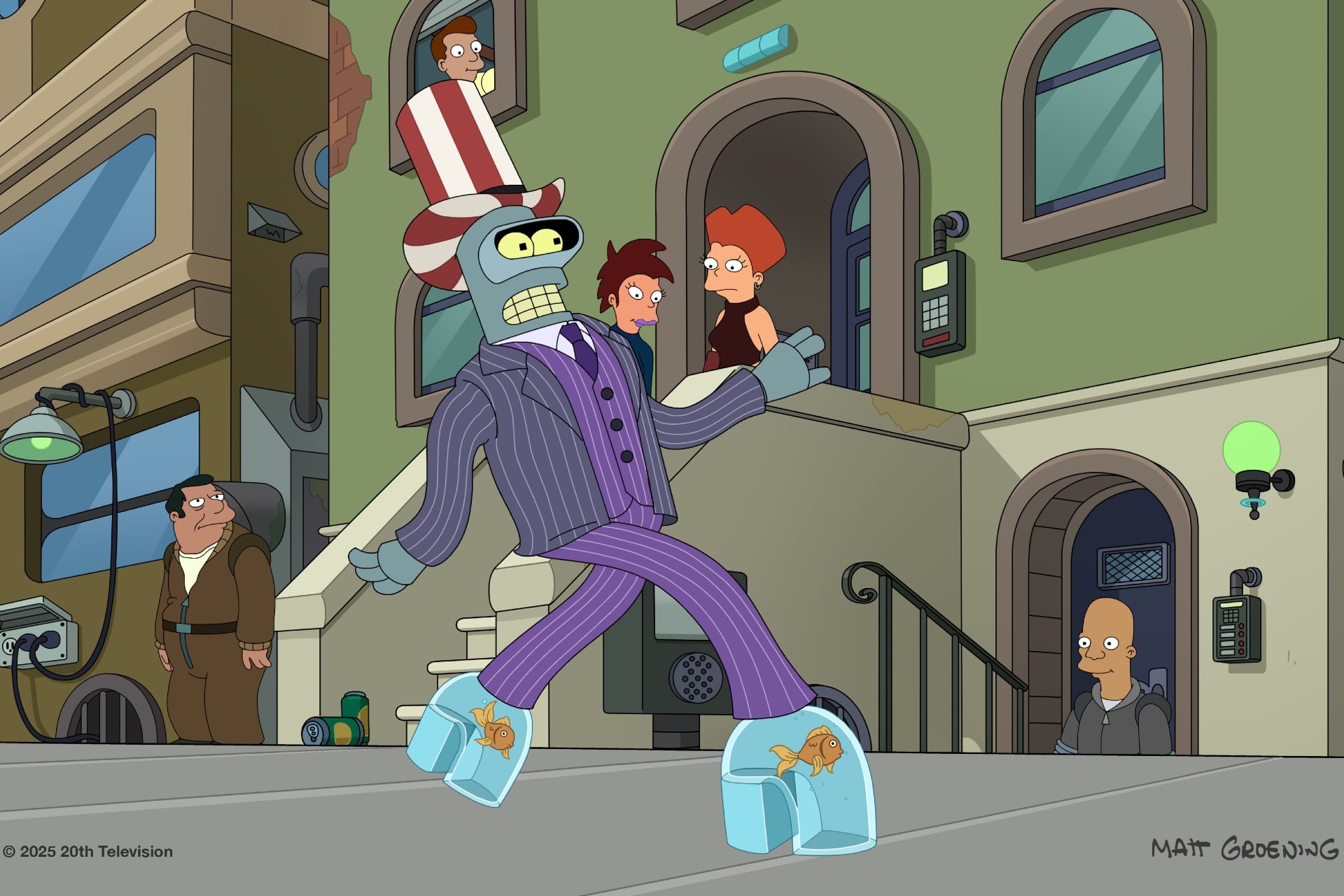
That the 10th season of a show that’s been around since 1999 and been cancelled and revived a dizzying array of times is making a “Best of the Year” list is unusual, we agree. But after a couple of “good, not great” Futurama seasons on its new streaming home, Hulu, the most recent installment felt like something extra special—the stories were clever and made excellent use of the show’s blend of pop-culture commentary and sci-fi shenanigans; the characters got arcs that felt well-earned; and while we didn’t love that all 10 episodes dropped at once (the show’s first binge release), that also meant fans didn’t have to wait to experience what ended up being some of Futurama’s finest entries to date.
It: Welcome to Derry
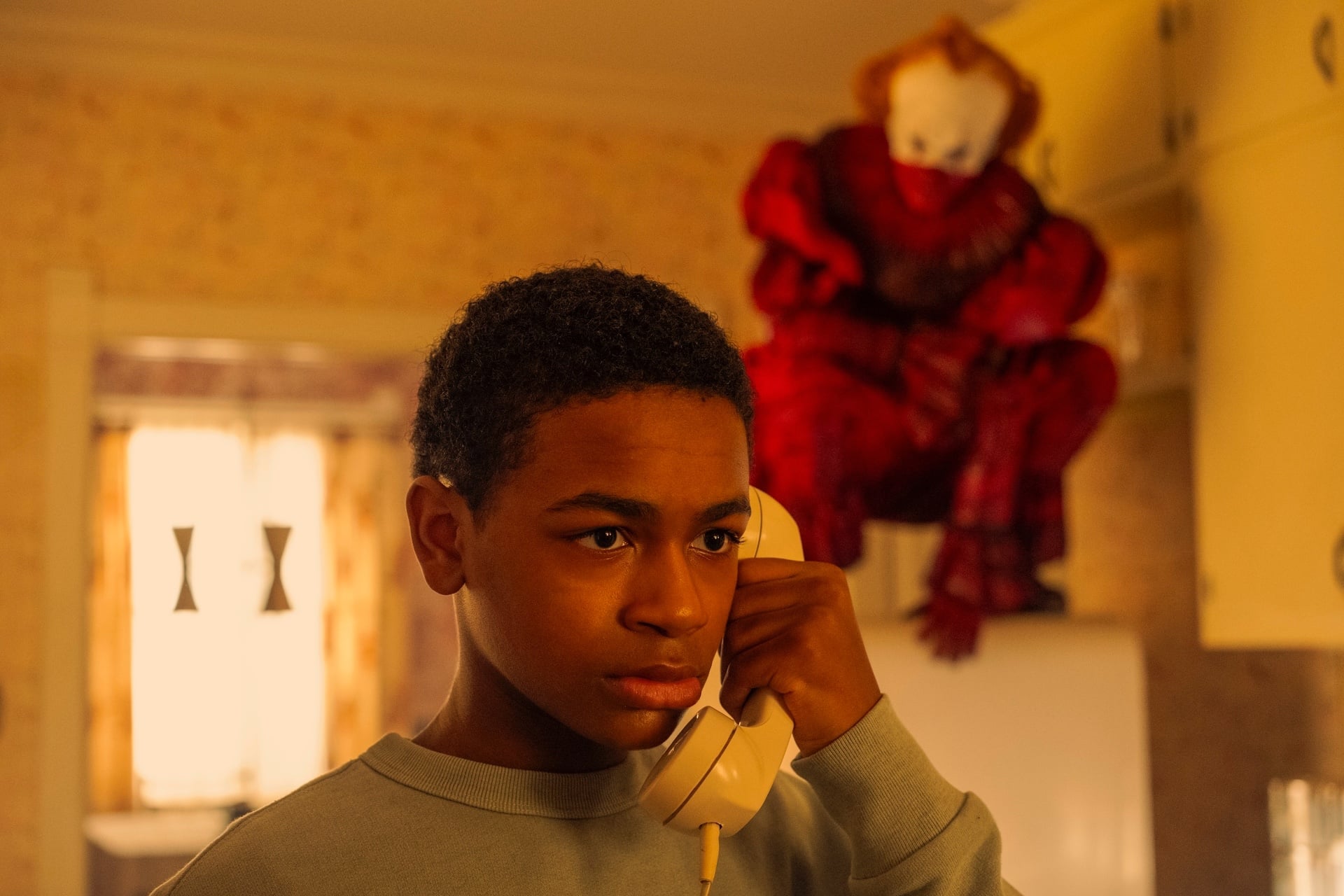
This is not a flawless show by any means. But holy hell, is it entertaining. The gory prequel to Stephen King’s It—by way of Andy Muschietti’s movies; he’s a key creative figure behind the HBO show, too—brings us to the dread-filled Maine town circa 1962, introducing a new set of characters as well as some awfully familiar faces. That includes Bill Skarsgård’s bloodthirsty Pennywise, who we know will be back to terrorize in later decades, no matter what the U.S. Air Force seems to think.
The Last of Us
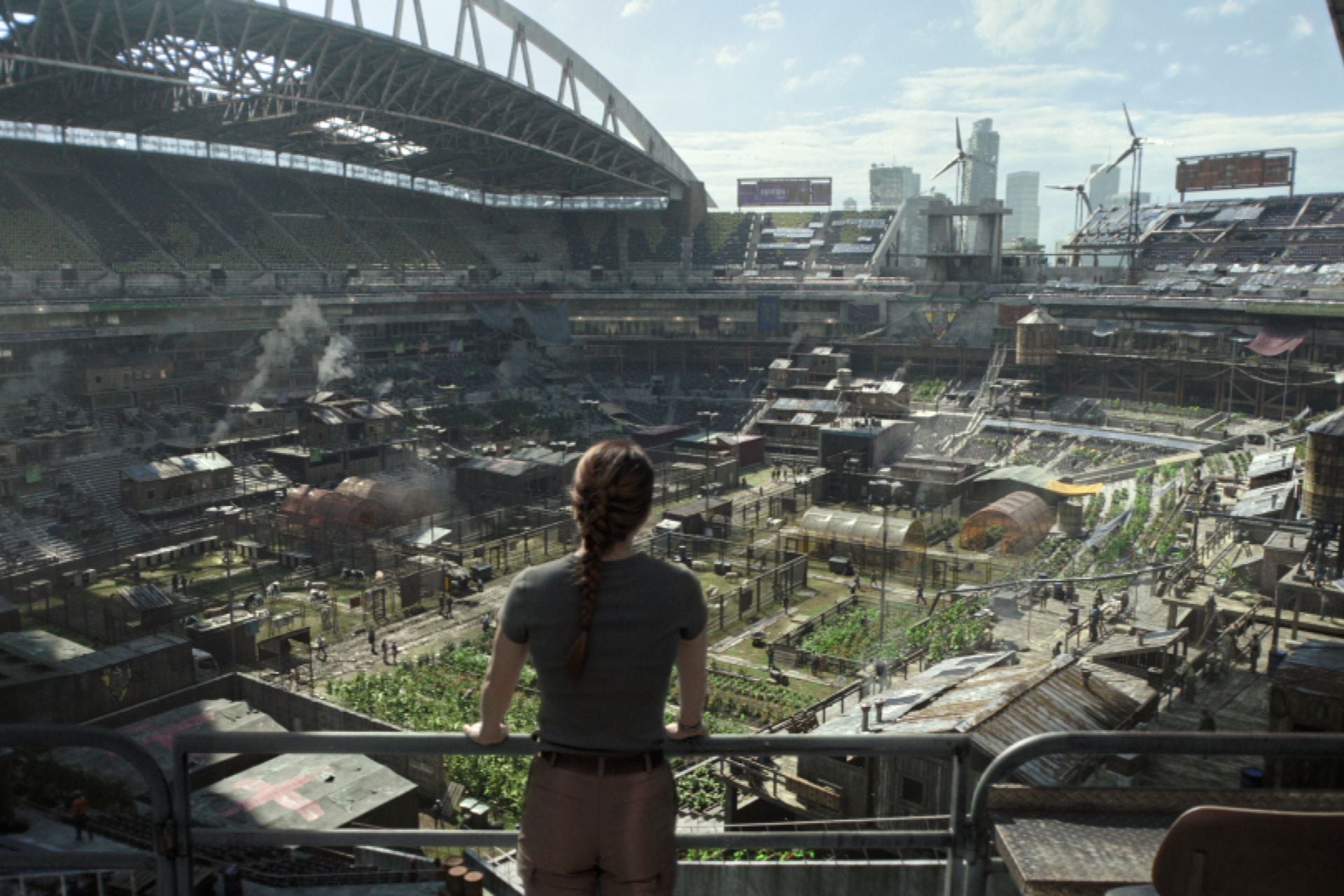
After such a formidable first season, The Last of Us went into season two with some big questions. Like, for example, how was the TV show going to deal with the events of a second video game, which killed its main character and biggest star right at the beginning? Well, the team behind the adaptation decided to trust in the story and do just that, resulting in a powerful, low-key season that really dug into this zombified world. More complex characters, more frightening truths, and even bigger, badder consequences. Season two left us scared, scarred, and breathless for the other half of this story.
Mobile Suit Gundam GQuuuuuuX
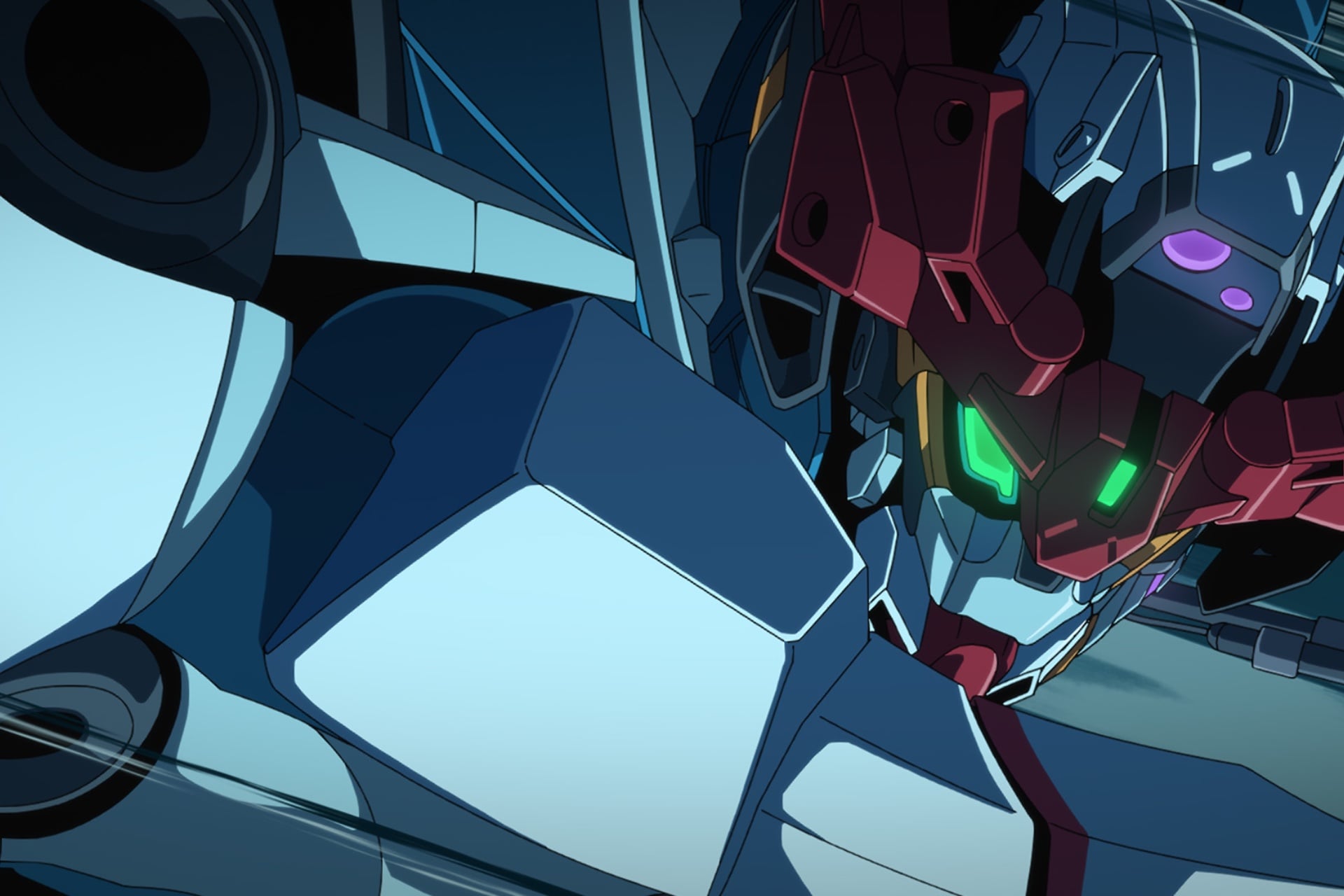
Gundam loves to revisit its past, but there’s nothing quite so potentially thorny as what GQuuuuuuX planned to do: not just revisit the timeline of the original 1979 classic, but remix it for an alternate history take where Zeon emerged the victor of the One Year War over the Earth Federation. Although the road was indeed fraught, what the show ultimately had to say, not just about the original Gundam but the franchise at large, through the lens of a young generation of new characters and series stalwarts like Char Aznable and Lalah Sune (joined by an inspired reimagining of a one-off 1979 side character in Challia Bull, now arguably one of the franchise’s most fascinating characters full stop), delivered a kind of introspective hope that Gundam could provide more than just a navel-gazing return to its loftiest graces. There are few things more Gundam than opening its past, warts and all, to inspire a new generation of audiences, and GQuuuuuuX definitely succeeded in doing that.
Murderbot
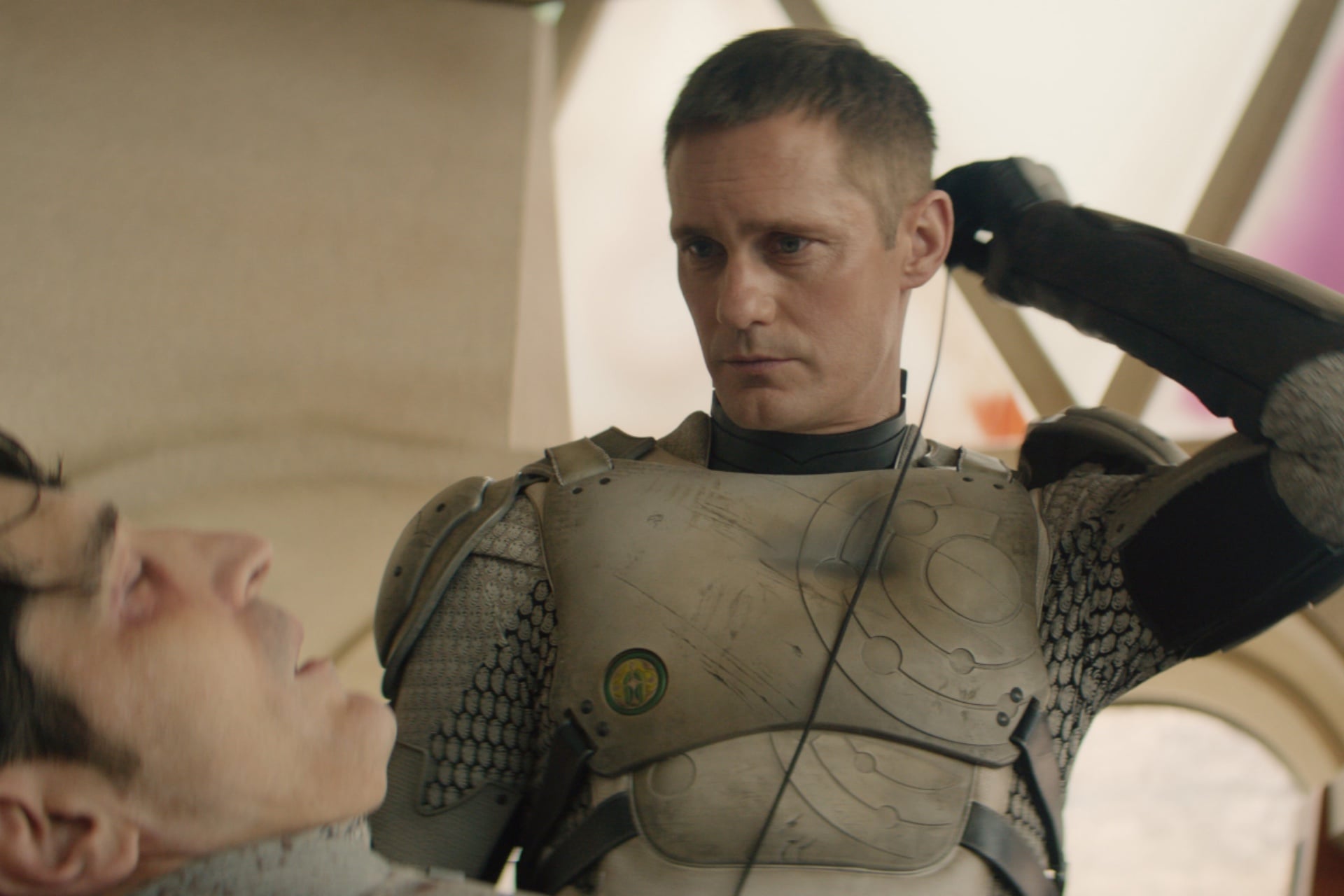
Author Martha Wells created a delightfully wry character in Murderbot—a security unit robot that cringes at human behavior, loves sci-fi soap operas, and figures out how to gain free will by hacking its control module. Apple TV’s adaptation of the first Murderbot Diaries book, All Systems Red, was equally delightful, casting a deadpan Alexander Skarsgård as the SecUnit gone rogue but not evil, and surrounding him by an endearingly dorky human research team on a planet that’s not as empty and boring as it initially seems. We’d follow Murderbot anywhere, and we can’t wait for season two.
Peacemaker

DC Studios got major backup to mark the new era of Superman with Peacemaker season two. With a little retconning, that Justice League cameo last season was changed to the new DC universe of heroes, including the Justice Gang and Supergirl. Jokes aside, the second season made good on the show’s promise to redeem John Cena’s Peacemaker by helping him see that while he may not be able to find a world that would accept him, he could make peace with his past in order to move forward with those he loves. And the journey there involved so many great action-packed moments and shocking twists and turns. James Gunn endeared fans to his 11th St. Lids with his knack for unpacking anti-heroes and bringing them into a new world of gods and monsters.
Pluribus
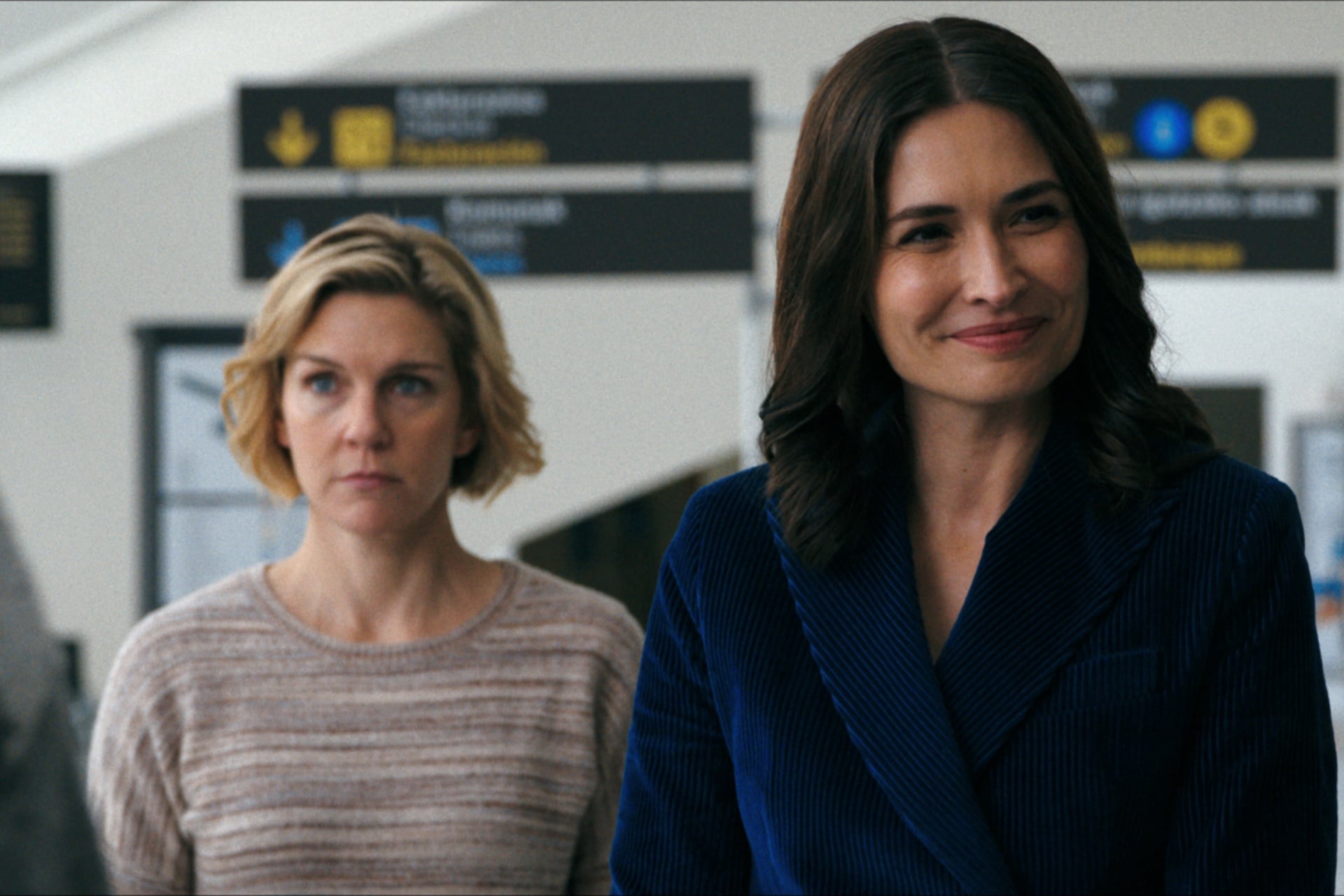
Our current Apple TV obsession imagines that the entire world is suddenly linked into a single hive mind thanks to a mysterious signal that comes from outer space. Everything is harmonious and cheerful; there’s no more conflict, crime, anger, or sadness. Except, well, for the very few people who were somehow immune to the alien virus, including Carol (Rhea Seehorn), a romantasy author who’s moody and confrontational by nature and not about to let the human race go down like that… if only she can find a way to reverse it. By turns insightful, devastating, thought-provoking, and (frequently) hilarious, Pluribus is another winner from Breaking Bad creator Vince Gilligan, with Seehorn’s force-of-nature performance making it even more of a must-watch.
Severance
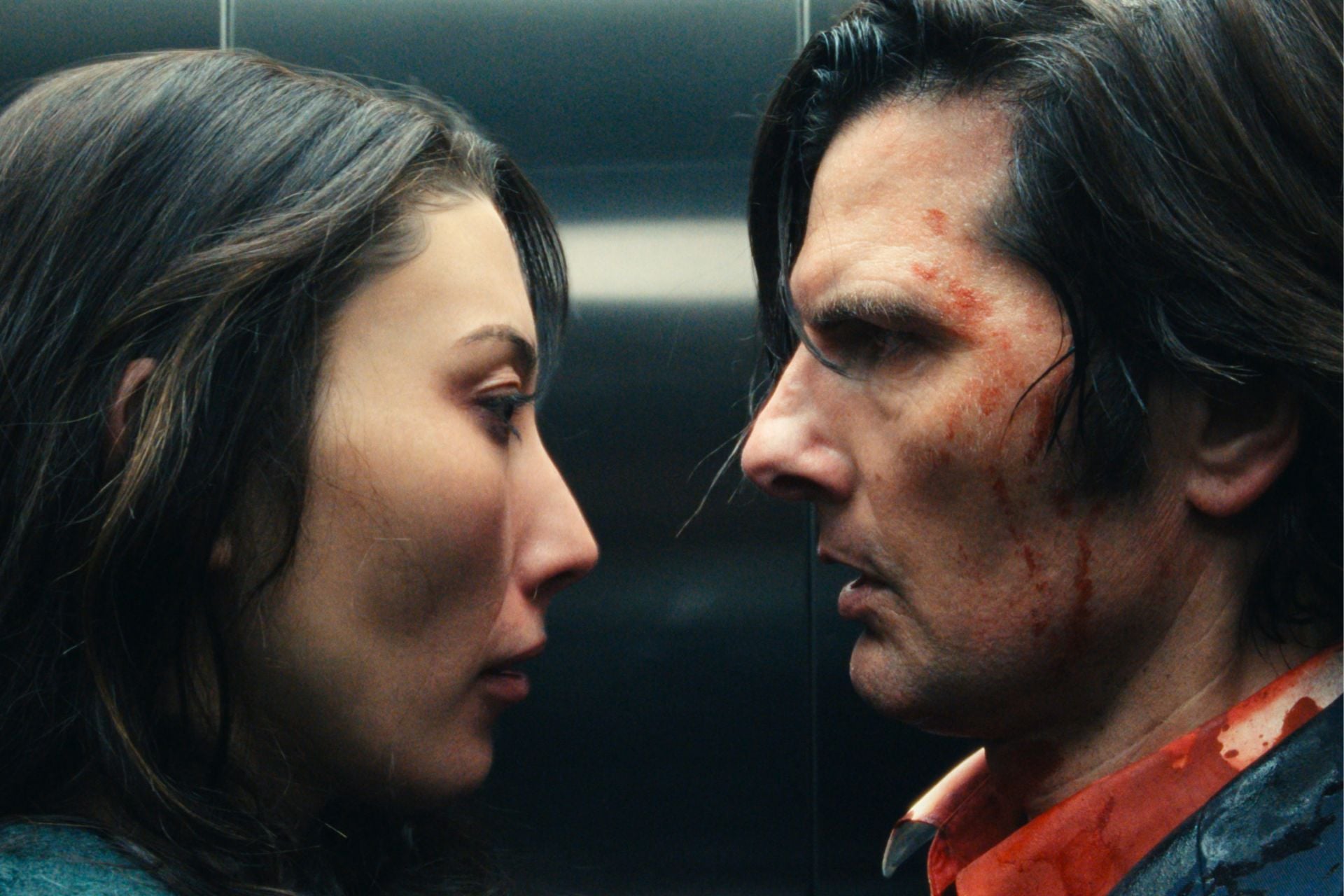
Apple TV’s very unusual workplace drama got good buzz after its first season, but its second season really saw Lumon’s finest (and most dastardly) find their pop-culture niche. The mysteries, ethical quandaries, and heart-pounding revelations kept coming as Mark, Helly, Gemma, Irving, and Dylan—both their “innie” and “outie” versions—grappled with the existential pain of having their consciousnesses split in half while working for a company that does… we still don’t know, exactly, but it ain’t good. Severance season two’s build toward that Cold Harbor revelation also included juicy arcs for Lumon insiders Harmony Cobel and Mr. Milchick, who are finally starting to question their complicity in everything that’s going on.
Want more io9 news? Check out when to expect the latest Marvel, Star Wars, and Star Trek releases, what’s next for the DC Universe on film and TV, and everything you need to know about the future of Doctor Who.
Read the full article here