If you own a smart TV, it’s capturing data on you. That’s the reality of living in 2025, though Consumer Reports recently published a helpful article about ways to reduce the amount of information being collected by your TV. But the state of Texas has filed new lawsuits in an effort to challenge the way smart TVs collect data.
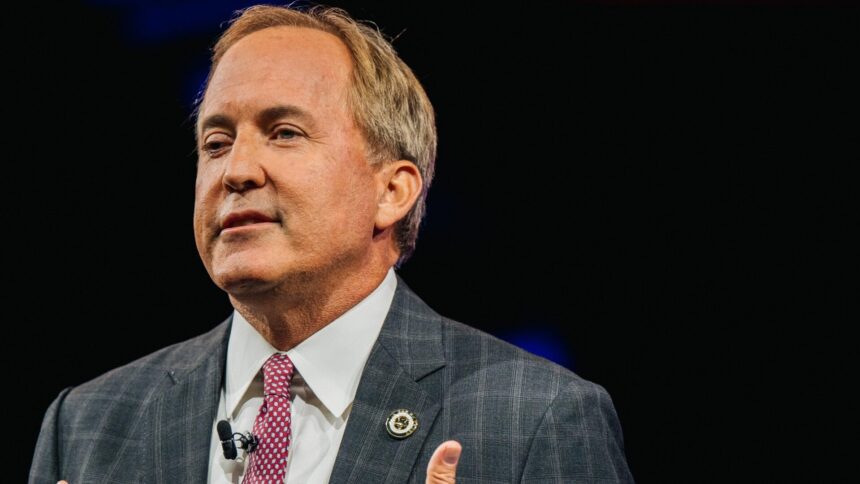
Texas Attorney General Ken Paxton filed lawsuits this week against five big TV manufacturers, Sony, Samsung, LG, Hisense, and TCL, alleging the companies are “spying on Texans by secretly recording what consumers watch in their own homes.”
Paxton argues that the TV companies’ use of Automated Content Recognition (ACR) technology lets them capture screenshots of a given user’s TV and can send that information back to the company, allowing for “real time” surveillance of the content anyone is watching without the user’s knowledge or consent.
Smart TV operating systems have become an important part of the TV industry’s revenue, delivering targeted ads based on user data. ACR is sometimes on by default and as Ars Technica points out, turning it off can be buried in obscure menu settings, depending on the model of TV.
A press release about the new lawsuits, posted on the Texas AG’s website, notes that Hisense and TCL are both based in China. The AG claims “these Chinese ties pose serious concerns about consumer data,” noting that China’s National Security Law “gives its government the capability to get its hands on U.S. consumer data.”
Similar concerns over consumer data in the U.S. were the basis of legislation passed in 2024 that sought to force TikTok’s parent company, the China-based ByteDance, to divest itself or see the social media platform be banned in the country.
The lawsuits filed this week against the big TV makers note that historically Nielsen has paid consumers for the ability to track their viewership habits. Here in the 2020s, that data is collected for free and without the same kind of transparency, according to the lawsuits. And nobody is getting paid, unless you count the incredibly cheap prices of gigantic TVs these days. The lawsuits do make note of that trade-off.
Back in the 1930s and ’40s, a device called the Audimeter would be attached to someone’s radio to gather information about listener preferences. Whenever the radio dial was turned, it was recorded on a long tape inside the machine—tapes that were physically collected by Nielsen researchers each month. We’ve come a long way since those relatively rudimentary devices.
Opting out of TV surveillance through ACR is often a real possibility, but it’s not very practical for the average consumer when you take a look at how difficult it can be. In the lawsuit against Hisense, the state of Texas claims that, “opt-out rights are scattered across four or more separate menus which requires over 200 clicks to read through in full on the TV,” and the license agreement is only available during the initial TV set up stage.
A graphic included in the lawsuits maps out how data is collected by an ACR system.
Data is tremendously valuable, and Texas argues there are even national security concerns involved. The suit against Hisense points to the TV company’s End User Terms and Conditions, which explain that data collected may be transferred to the Peoples’ Republic of China. But the lawsuit takes the potential ramifications of this to an arguably weird place.
From the lawsuit:
The CCP may use the ACR data it collects from its Smart TVs to influence or compromise public figures in Texas, including judges, elected officials, and law enforcement, and for corporate espionage by surveilling those employed in critical infrastructure, as part of the CCP’s long-term plan to destabilize and undermine American democracy.
Maybe it’s just us, but leading with the concern that elected officials in Texas could be blackmailed by what’s on their TV seems… odd? Especially when you consider the fact that Attorney General Paxton has been embroiled in personal and political scandals during recent years, including adultery alleged by his wife during their divorce and impeachment proceedings over bribery allegations.
Paxton was ultimately acquitted after his impeachment trial in 2023 but the alleged affair came up a lot during the proceedings at the Texas Capitol, according to Austin’s KUT News.
“Companies, especially those connected to the Chinese Communist Party, have no business illegally recording Americans’ devices inside their own homes,” Paxton said in a statement posted online announcing the new lawsuits.
“This conduct is invasive, deceptive, and unlawful. The fundamental right to privacy will be protected in Texas because owning a television does not mean surrendering your personal information to Big Tech or foreign adversaries.”
Gizmodo reached out to the TV makers that were hit with litigation this week. Samsung, LG, and TCL didn’t immediately respond. Sony and Hisense said they don’t comment on pending legal matters.
Read the full article here