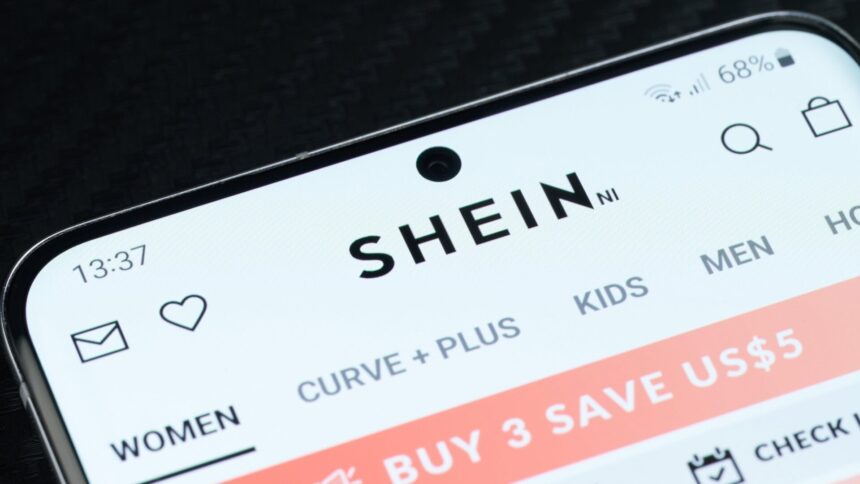
Shein, the fast fashion giant known for ultra-cheap items like $4 t-shirts, has spent years trying to go public and capitalize on its pandemic-era boom.
But after a couple of false starts the company finally held an initial public offering in Hong Kong last week and things are not looking so great.
Bloomberg reports that Shein’s stock closed Monday down 19% from its IPO price of 48.56 Hong Kong dollars ($6.19). The offering valued the company at $26 billion. In just five trading days, its market capitalization has fallen by about $5 billion to roughly $21 billion.
Both figures are significantly below the nearly $100 billion Shein was valued at during a private funding round in 2022.
But a lot has changed in those four years.
“Shein’s decline reflects the growing market concerns of tariffs, fulfillment costs and execution risks surrounding its marketplace transition,” said Bloomberg Intelligence analyst Catherine Lim.
Shein’s roots go back to a Chinese e-commerce business founded in 2008 that initially focused on selling wedding dresses online. It later expanded into less formal women’s clothing and eventually became the ultra-fast-fashion giant it is today, selling everyhing from makeup and jewlery to shoes and home decor. The company is now headquartered in Singapore, though much of its inventory is still produced by suppliers in China.
Shein built its business around quickly identifying fashion trends and producing similar styles at rock-bottom prices. Its business really began to explode during the pandemic as lockdowns drove shoppers online.
Now, Shein faces a much tougher market. Competition from companies like Temu has intensified, while tariffs and the end of duty-free exemptions for low-value imports have made its direct-from-China shipping model more expensive.
The company is already seeing some of those pressures hit its bottom line. Shein reported a $99 million loss in the first quarter of this year, compared with a $395 million profit during the same period a year earlier, according to Bloomberg.
And the market’s obsession with AI and tech stocks isn’t helping, as investors keep pouring money into the AI boom while retailers face slower growth.
On top of that, Shein has faced years of scrutiny over its supply chain and business practices, including allegations involving forced labor and copyright infringement.
Those concerns also complicated Shein’s earlier attempts to go public. Reuters reported that the its plans to list in New York and later London ran into regulatory and political scrutiny over the company’s labor practices, sustainability claims, and ties to China.
By the time Shein finally went public in Hong Kong, it was worth barely a quarter of its 2022 peak. Less than a week later, investors wiped another $5 billion off its value.
Shein did not immediately respond to a request for comment.
Read the full article here