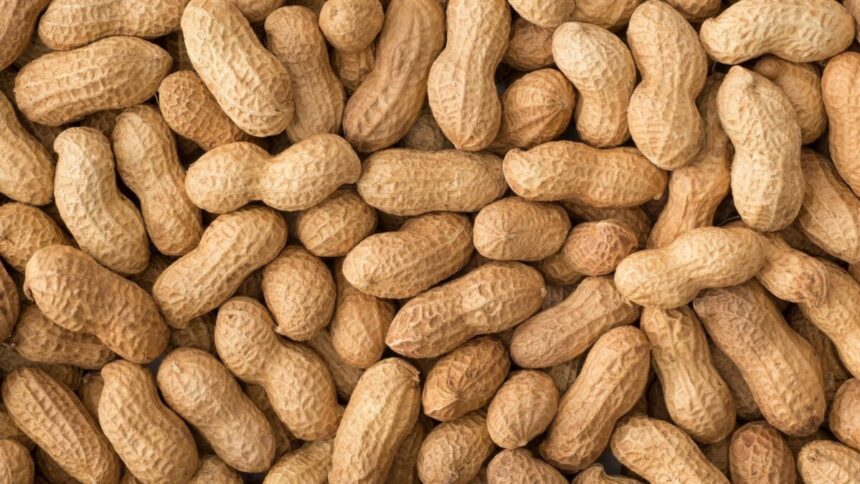
A host of tiny microbes common to both human mouth and gut microbiomes have been shown to capably diffuse several hazardous proteins known to trigger peanut allergies.
In other words, some of our very own saliva and stomach juices may already contain the microbes needed to break down some of the most dangerous allergens associated with peanuts. Among the microbes studied, a bacterium of the genus Rothia, named Rothia aeria ASV 14171, proved to be the most effective at reducing allergic responses and may lead to new medical treatments in the future.
“Peanut allergies can cause serious reactions like difficulty breathing, and in some cases, can even be life threatening,” according to Liam Rondeau, a postdoctoral fellow with McMaster University’s Farncombe Family Digestive Health Research Institute in Ontario, which led the multicenter study. “However, some people with peanut allergies can still eat small amounts without having a reaction,” Rondeau noted in a statement. “We were curious about why.”
A tough legume to crack
Peanut allergies are the most common form of food allergy, at least in Western nations, where they currently impact about 2% of the general population. The condition is also among the most likely food allergies to lead to unintended exposures and severe episodes—with somewhere between seven and 14% of all people who are allergic to peanuts experiencing a reaction annually.
Anywhere from one-third to one-half of those unwanted annual episodes include anaphylaxis: a potentially fatal immune system response marked by skin rashes, nausea, steep drops in blood pressure, and a suffocating narrowing of the breathing pathway.
Adding to these dangers, peanut allergies are much more likely than other food allergies to endure onward into adulthood, extending these risks for up to 80% of the children who share this diagnosis.
Two proteins present in peanuts, labelled Ara h 1 and 2, have long been determined to be the dominant allergenic compounds responsible for these overwrought and dangerous immune system freak-outs. And, to test which common digestive bacteria worked best to neutralize these proteins, the researchers turned to specialized lab mice with peanut allergies, as well as to carefully segregated petri dishes of individual bacteria from human mouths and small intestines.
Peanut busters
Given how quickly a peanut allergy can take hold, the team focused on the bacteria present in human saliva for their in vitro, or Petri dish, trials, examining bacterial samples from 13 hardy volunteers with no reported food allergies. (Bacteria more often found in the small intestine were tested as well, taken from the mouths of five similarly resilient human volunteers.)
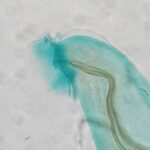
While bacteria capable of degrading the Ara h 1 and 2 proteins were detected and isolated for a variety of genera, including Staphylococcus, Streptococcus, and Veillonella, bacteria from the genus Rothia proved to be the most consistent defender against these peanut allergen proteins.
Rothia, a dominant genus in the oral microbiome, proved effective against both Ara h 1 and Ara h 2. One species in particular—Rothia aeria—stood out, practically obliterating 100% of these allergens in the in vitro trials.
To help confirm the relevance of these experimental findings, the researchers turned to a prior study that had logged the prevalence of various bacteria within the oral microbiome, the gut microbiome, and elsewhere inside the bodies of 120 children with suspected peanut allergies. This cohort included 23 ultimately non-allergic control patients, 74 allergic patients with a high threshold for peanut exposure (at or above 443 milligrams of these peanut proteins), and 23 with a low threshold for peanut exposure (below 433 mg).
From this sort of miniature bacterial census data, the team was able to confirm that Rothia aeria was “significantly more abundant” in the saliva of those with no allergic response or a high tolerance to peanut exposure.
“Microbes in the mouth and gut play an important role in digestion,” said the study’s co-senior author, Alberto Caminero Fernandez, a gastroenterologist and an associate professor with McMaster’s Department of Medicine.
“These findings point to a newly identified pathway linking the oral and gut microbiome with food allergy,” he added in a press statement, “and they may help guide future work on prediction and treatment.”
Those treatments, according to the university, may involve new probiotic therapies with cultured bacteria possibly supplementing traditional oral immunotherapy strategies, in which patients are gradually introduced to larger and larger amounts of the allergen as their body learns to adapt.
McMaster University and their partners in Spain and the United States published their results online this Tuesday in the journal Cell Host & Microbe.
Read the full article here