

The back-and-forth between the iPhone and Android chips is becoming less of a cat fight and more of a bear pit full of starving ursines. We’ve seen how the iPhone 18 Pro’s A20 Pro chip has enabled a long-lasting and capable device. Now, Qualcomm’s Snapdragon 8 Elite Extreme Gen 6, which will power the next generation of Android flagship phones, is representing the modern epitome of sustained performance gaming potential.
The Snapdragon 8 Elite Extreme Gen 6 is powerful, yes, but it’s also made for people who think their phones need to be the biggest, most powerful slabs possible. And that means these devices are going to cost a ton of money, and they’re definitely not going to be the kind of small phones you can slip into a pair of skinny jeans.
Here’s the breakdown: the Snapdragon 8 Elite Extreme Gen 6 is the ultra-powered version of the base Snapdragon 8 Elite Gen 6. Sure, both eight-core chips are built on the more efficient 2nm process compared to the Snapdragon 8 Elite Gen 5’s 3nm. However, only the “Extreme” version attains a 5GHz peak clock speed for its fastest “Prime” cores. Otherwise, Qualcomm’s “Extreme” CPU is packing a whole lot of AI capabilities inside, plus extra additions to the GPU to enable enhanced AI upscaling—part of the new “Neural Fusion” capabilities that could help you game at a better frame rate for longer.
At this year’s Snapdragon Summit , Qualcomm let tech media run a few benchmarks on a jumble of Snapdragon 8 Elite Extreme Gen 6 reference design units. (Full disclosure: travel and lodging were paid by Qualcomm, and Gizmodo did not guarantee any coverage as a condition of accepting the trip.) These phones aren’t anything you can buy. They are running on 24GB of RAM—twice as much as you get on a base Samsung Galaxy S26 Ultra powered by last year’s flagship Snapdragon chip. They’re also running with a 4,400mAh battery, which is actually a smaller capacity than Samsung’s previous flagship.
So with all that in mind, Qualcomm’s blueprint phones hit an 8% uptick in multi-core capabilities in Geekbench 7. That test runs through the CPU’s general capabilities on a phone. However, Apple still has around a 10% benefit in single-core settings, which means Apple’s phone has the slightest edge for tasks like loading web pages.
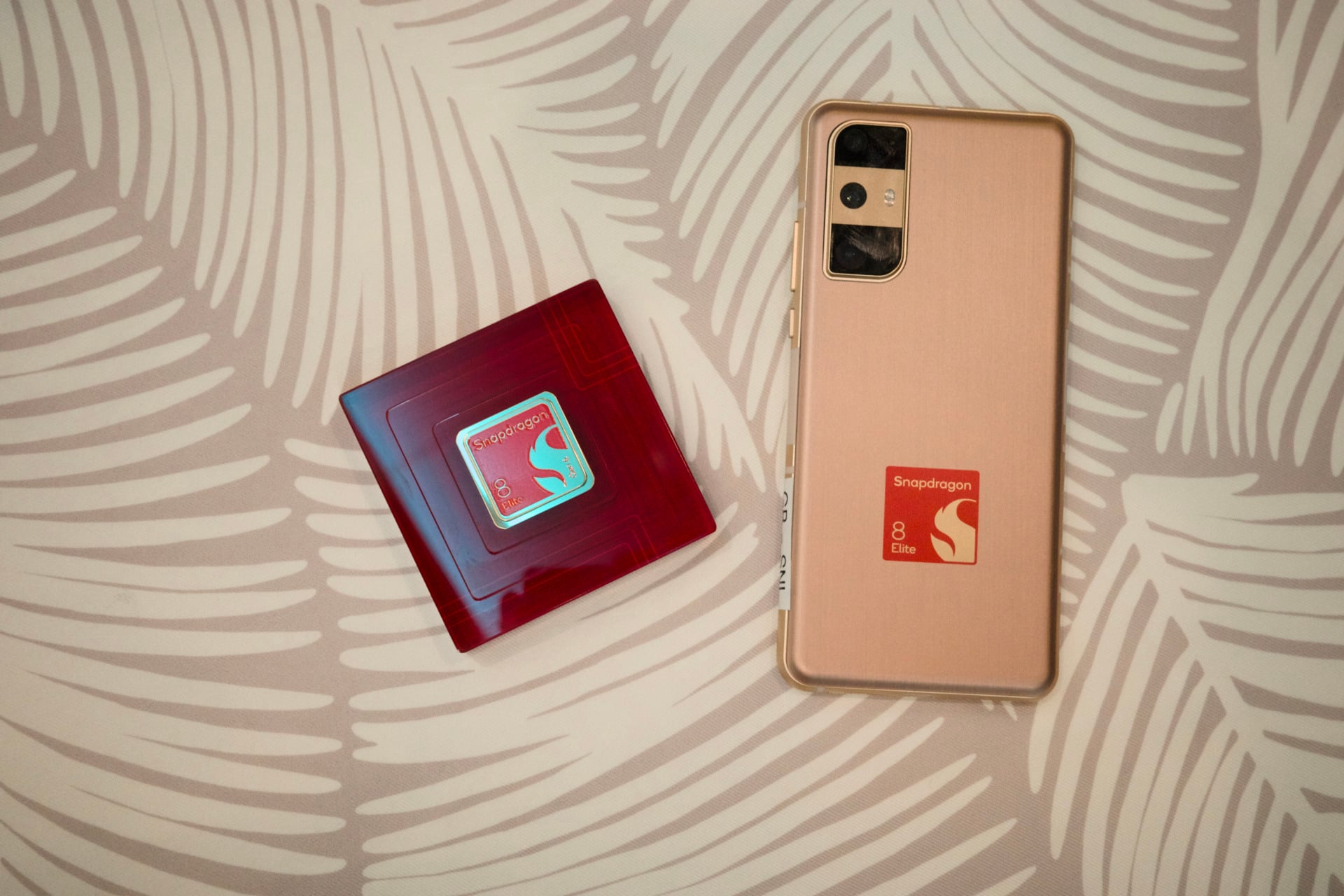
That’s not a major difference. You’ll find more variance in how capable the A20 Pro or Snapdragon 8 Elite Extreme Gen 6 is for real-time graphics, like gaming. In 3DMark’s “Steel Nomad Light” tests, the Qualcomm reference phone made off with 20% better performance. It’s a similar story for the “Wild Life Extreme” test, with Qualcomm offering 22% better performance. For ray tracing, the simulated realistic lighting used in demanding games, 3DMark’s “Solar Bay” test on Qualcomm’s device did 17% better.
Here’s the problem: these phones ran hot. I couldn’t run multiple tests in a row without waiting for the device to cool down. After running the Antutu smartphone benchmark, the device was roasting and lost nearly 9% battery in just a few minutes. This overheating issue was even worse than last year when I tested the Snapdragon 8 Gen 5 chips.
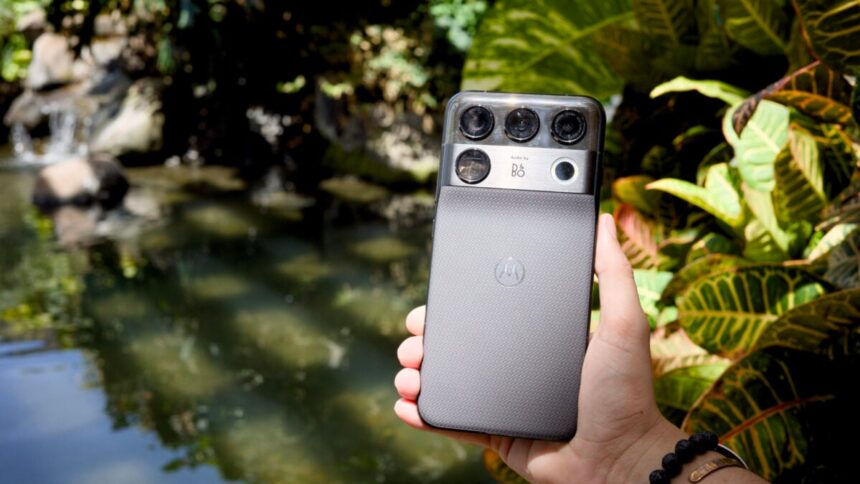
So far, we’ve seen two companies come on stage to flash a new phone with Qualcomm’s flagship processor. They’re both big boys. Motorola hasn’t offered a specific screen spec of its Signature 27, but I’ve held it in my hand, and it definitely has Galaxy S26 Ultra vibes in terms of north-to-south wingspan. The Xiaomi 18 Pro Max is similarly going to be a large device, even though the China-based device maker won’t show it off until Sept. 23. Meanwhile, Motorola has not offered any idea how much its new flagship will cost.
Chris Patrick, Qualcomm’s VP of handsets, told Gizmodo in a tight roundtable with tech reporters that the Snapdragon 8 Elite Extreme Gen 6 chip isn’t dedicated solely to big phones. However, it’s inevitably geared more toward those solutions. Gamers who want the highest-end GPU performance and the promise of Adreno Neural Fusion for dedicated AI upscaling will also probably want a larger display.

And there is a reason why you also want more space. The 2nm Snapdragon 8 Elite Extreme takes the dedicated CPU memory cache and moves it from on top of the CPU to the side, which means it’s a chip that takes up more space than previous flagships. That also allows Qualcomm to place cooling apparatuses like a vapor chamber directly on the die, which will (hopefully) lead to a less toasty phone. That promise of better cooling certainly wasn’t there with these benchmarking phones.
It’s the AI upscaling capabilities that will actually matter most for gamers. Amandeep Dhaliwal, Qualcomm’s main guy in charge of GPU strategy, told reporters that Neural Fusion is working alongside new chip efficiencies to let you game for longer at 60 fps, rather than at a limited 30 fps. It’s about making games feel more premium, even if that means the GPU is relying more on AI capabilities and less on raw GPU horsepower. Either way, the next Snapdragon-based phones will certainly be interesting, even if they’ll inevitably be the most expensive devices available.
Read the full article here