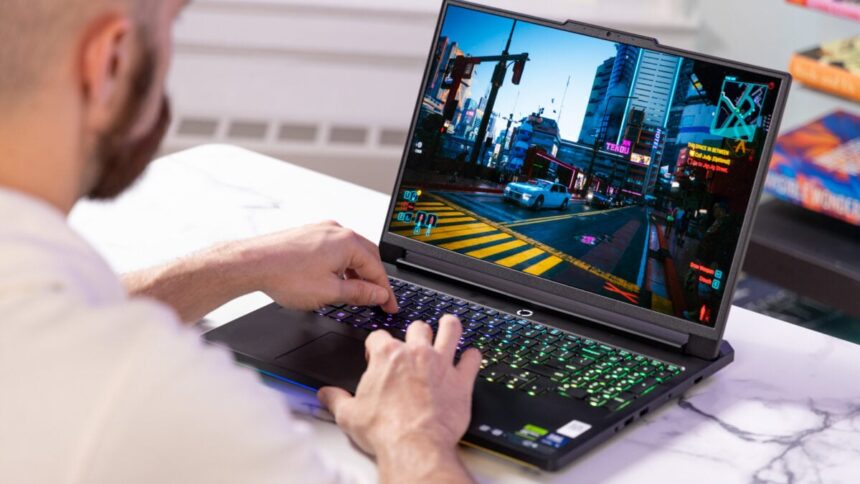
Nvidia is still looking for ways to make frame generation—which PC gamers not-so-lovingly call “fake frames”—have more utility. Now, Nvidia imagines its AI frame interpolation technology may finally help gamers maximize their high-refresh-rate monitors they bought alongside their big, increasingly expensive GPUs.
For GDC 2026, Nvidia finally revealed when owners of the current RTX 50-series GPUs can access new features for its DLSS suite of upscaling technology. The first on the list is called “Dynamic Multi Frame Generation.” As the name suggests, it uses the same multi-frame interpolation software, which inserts several AI-generated frames in between two rendered frames. This artificially increases a game’s frame rate. The update will allow PC gamers to set a target FPS for the frame generation to hit. If your monitor features a 240Hz refresh rate, Nvidia promises gamers will be able to help their PCs hit the maximum of what their monitor can handle.
The update should go live on March 31. The patch should also enable up to 6x frame gen technology for the latest RTX 50-series GPUs. That essentially means Nvidia can stick between one and five AI-generated frames in between each rendered frame. Nvidia claims the new update improves stability and reduces ghosting—two of the major visual artifacts introduced by multi-frame generation technology. Nvidia first said we’d receive these updates at CES 2026 along with the update to DLSS 4.5. Now, we’ll finally be able to see these features in action.
Gamers are still wary of frame generation
Out of all the magic tricks Nvidia pulls to make games run better on its high-end GPUs, frame generation is easily the most controversial. The technology essentially uses AI to create frames based on in-game data, then inserts them between fully rasterized (aka rendered) frames created by the PC. Nvidia has pushed multi-frame generation as the exclusive benefit for its latest Blackwell-era GPUs.
Nvidia’s GPUs, which range from the low-end RTX 5060 all the way up to the top-end RTX 5090, have struggled to make a clear use case for frame generation. To enable steady frame rates without visual quality, gamers already had to achieve as close to 60 fps as possible before enabling frame generation. If you’re already paying out the nose for the GPU that can render the most frames possible, why would you want to muddy those visuals with generated frames?
Nvidia’s GPUs need to offer more for their cost
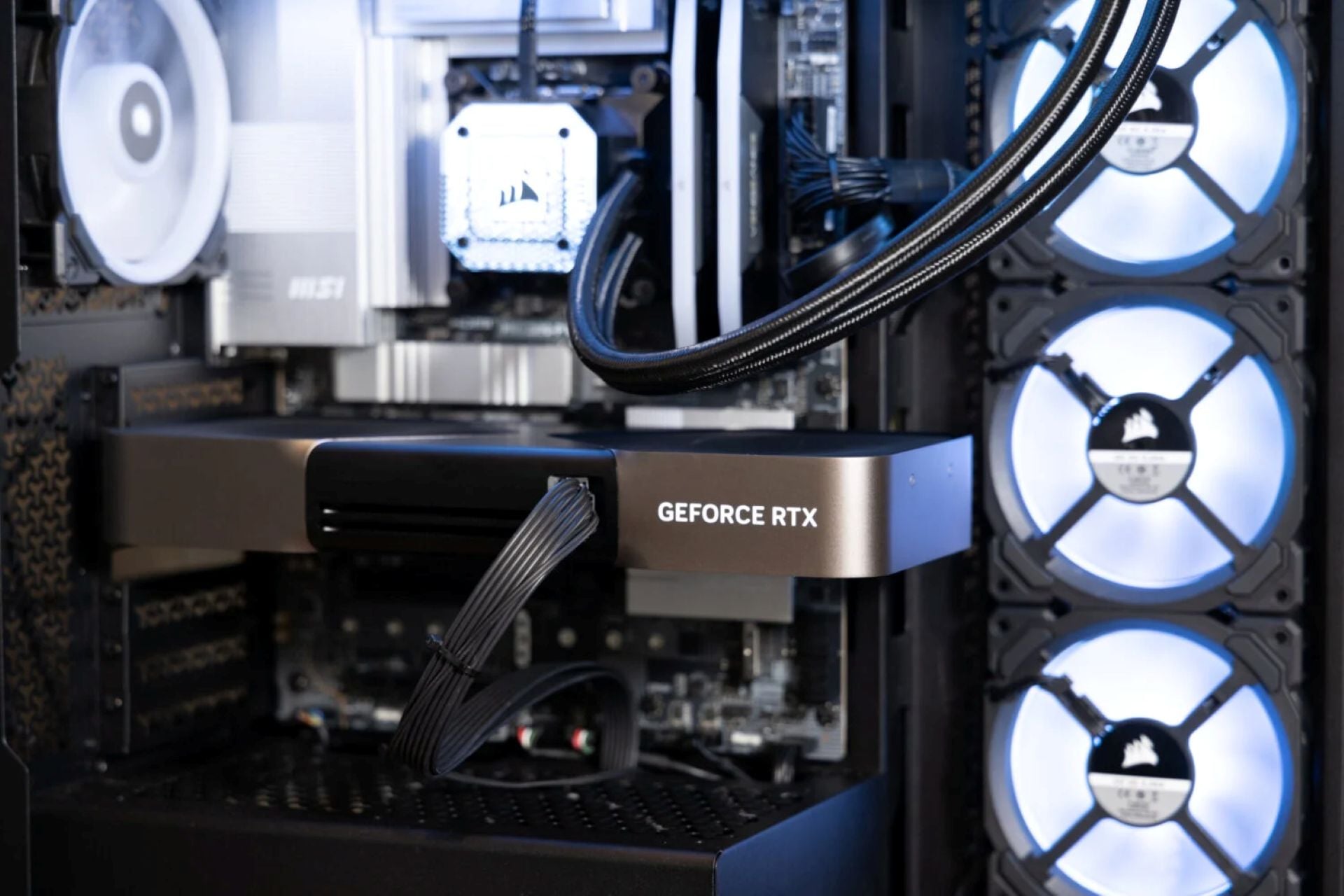
Now that the RTX 5090 costs close to $4,000—$2,000 more than its original suggested retail price—the most powerful GPU is out of the price range for the vast majority of PC gamers. Prices on any non-4K-ready GPU, like the GeForce RTX 5070, haven’t spiked nearly as much. A recent report from the mostly reliable outlet The Information suggested Nvidia was cutting production on its higher-end GPUs due to the ballooning cost of VRAM. Nvidia, for its part, still says it’s working to make all RTX 50-series GPUs despite the all-consuming RAM crisis. Multi-frame gen may be its way of offering more capabilities from its cheaper GPUs.
Intel has gone a step further than Nvidia and enabled its own version of multi-frame gen for non-Intel systems. Still, XeSS 3 frame gen works best on devices powered by Intel’s latest Panther Lake chips. Laptops or gaming handhelds with smaller screens demand more software tricks to make games playable. It’s also more difficult to spot visual artifacts on a 7-inch display than on a big, expensive 32-inch QD-OLED gaming monitor.
Read the full article here