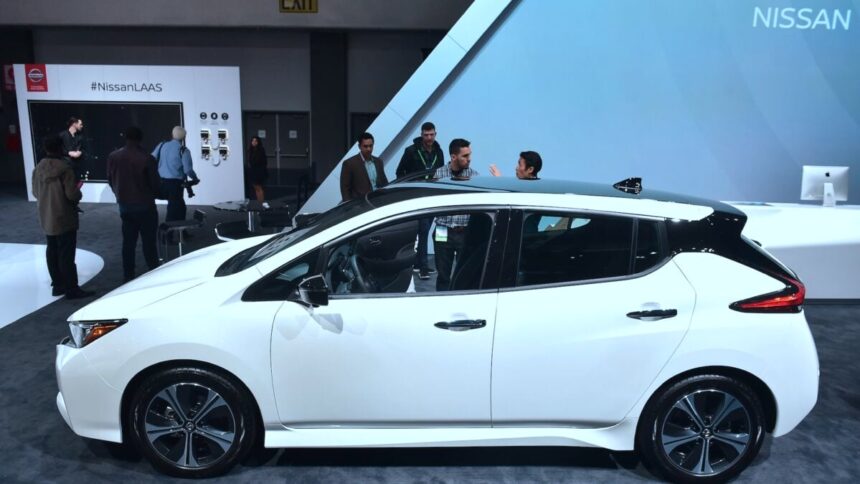
In 2024, Nissan sunset the NissanConnect EV app for drivers of the Leaf and e-NV200 minivan “produced up to 2016.” Now the carnage is expanding to even newer cars.
According to the Guardian, Drivers of Leaf EVs made before 2019, and all e-NV200 minivans—meaning all the way up until 2022—are losing app functionality on March 30. The NissanConnect EV app lets drivers turn on heat remotely, check charge status, and access certain map features.
Auto Express Magazine’s Steve Walker told the Guardian, “As modern cars that are even more reliant on connected services and updates than the Leaf age, it is likely that manufacturer support for their systems will drop away, too.”
Forms of planned obsolescence in cars weren’t unheard of before they were screen-filled and internet-connected. You could, after all, face major problems when the manufacturer stopped manufacturing parts—to the frustration of tinkerers and car hobbyists. But at least that’s only a problem if something breaks. Ending software functionality is like the manufacturer reaching into your car and smashing something today that worked just fine yesterday.
Does this trend reflect a consumer preference for constantly switching out cars for new ones every couple years? Not in the case of Americans. A report from last year found that the average age of a passenger car on the road in the US was 14.5 years. Another survey of middle-income Americans last year found that 81 percent of those who were car shopping were considering something used.
In other words, cars, like most things today, are made with an eye to the hyper-consuming top 10 percent who, as of the past couple years, are responsible for half of all consumer spending. There are now zero new cars that cost less than $20,000 in the U.S., and the average MSRP for a car is now above $50,000.
Are you not getting the message? You aren’t a consumer if you’re not consuming. Get rid of your disgusting four-year-old EV minivan and get something new.
Read the full article here