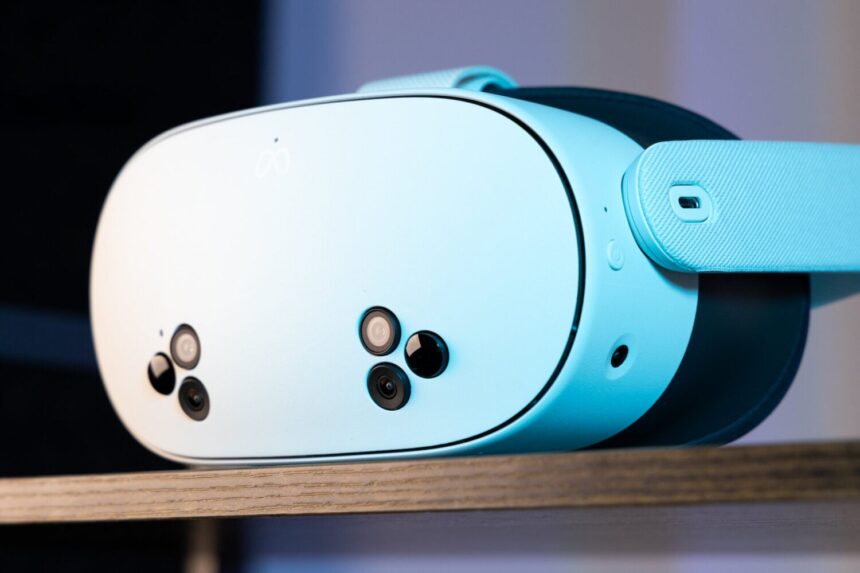
As much as Meta has insisted that it isn’t losing interest in VR, its actions as of late have indicated otherwise. Probably the biggest and most obvious clue that VR is becoming less of a priority came earlier this month when the company announced significant layoffs in its Reality Labs division—the unit responsible for its endeavors in XR and VR.
While those layoffs affected a range of people in the outfit, VR clearly took the brunt of it. As I outlined last week, Meta shuttered most of its first-party VR studios and, consequently, some of the biggest studios making VR games, period. It was a grim day for VR writ large and a blow to arguably the best part of most VR headsets—gaming.
On one hand, it’d be easy to look at the goings-on (Meta’s layoffs, their almost complete lack of mentioning VR at Meta Connect 2025, and the probable lack of new Quest hardware this year) and proclaim, “VR is cooked.” We’ve implied as much, and there’s validity to that grim statement, to be sure. But there’s a counterpoint to that forecast, too, and it’s that maybe (just maybe) VR doesn’t even need Meta to begin with. Case in point: all of the great VR hardware as of late.
Take the Lynx R2 VR headset, which was officially revealed just this week. While the Lynx says the R2 won’t be available to order until this summer, there’s a lot to entice anyone interested in VR. The headset crushes the Quest 3‘s field of view (FOV), for one, offering a 126-degree FOV compared to the Quest 3’s 110-degree FOV. It also does something that Meta would never; it’s making its headset open-source. Lynx says it’s releasing schematics for the R2, which should help anyone who wants to mod the device do so more easily than Meta’s Quest. It’s early days, and there’s no price or official release date yet, but the hardware is promising—and Lynx isn’t the only one.
At CES 2026, I got a chance to try some emerging hardware from Pimax, a VR company out of Shanghai. I won’t rehash all my thoughts again (you can read all of them here if you really want), but the headset is almost impossibly light (lighter than an iPhone 17), bright, and sharp. While it’s wired, and not an ideal solution for everyone, it showed me a glimmer of just what VR hardware could be in the not-so-distant future. In short, the Pimax Dream Air is promising, and it’s actually focused on gaming, which is still the best part of any VR headset.
In one way, it’s strange to have such exciting VR hardware emerging at a time when the biggest name in the game seems to be rapidly divesting, but in another, it makes perfect sense. Meta’s goal was always to bring VR mainstream. With absurdly competitive pricing (basically a Meta subsidy on VR) and a big enough apparatus for marketing and development, Meta was clearly trying to sell lots of Quest headsets, and it has managed to push quite a few.
That effort was important in many ways. For one, it brought VR headsets into the conversation for more than just hobbyists, arguably dragging companies like Apple and Samsung along with it. Meta, for all its foibles in the space, helped grow VR as a destination on the consumer tech map and likely paved the way for other companies to do so in its push.
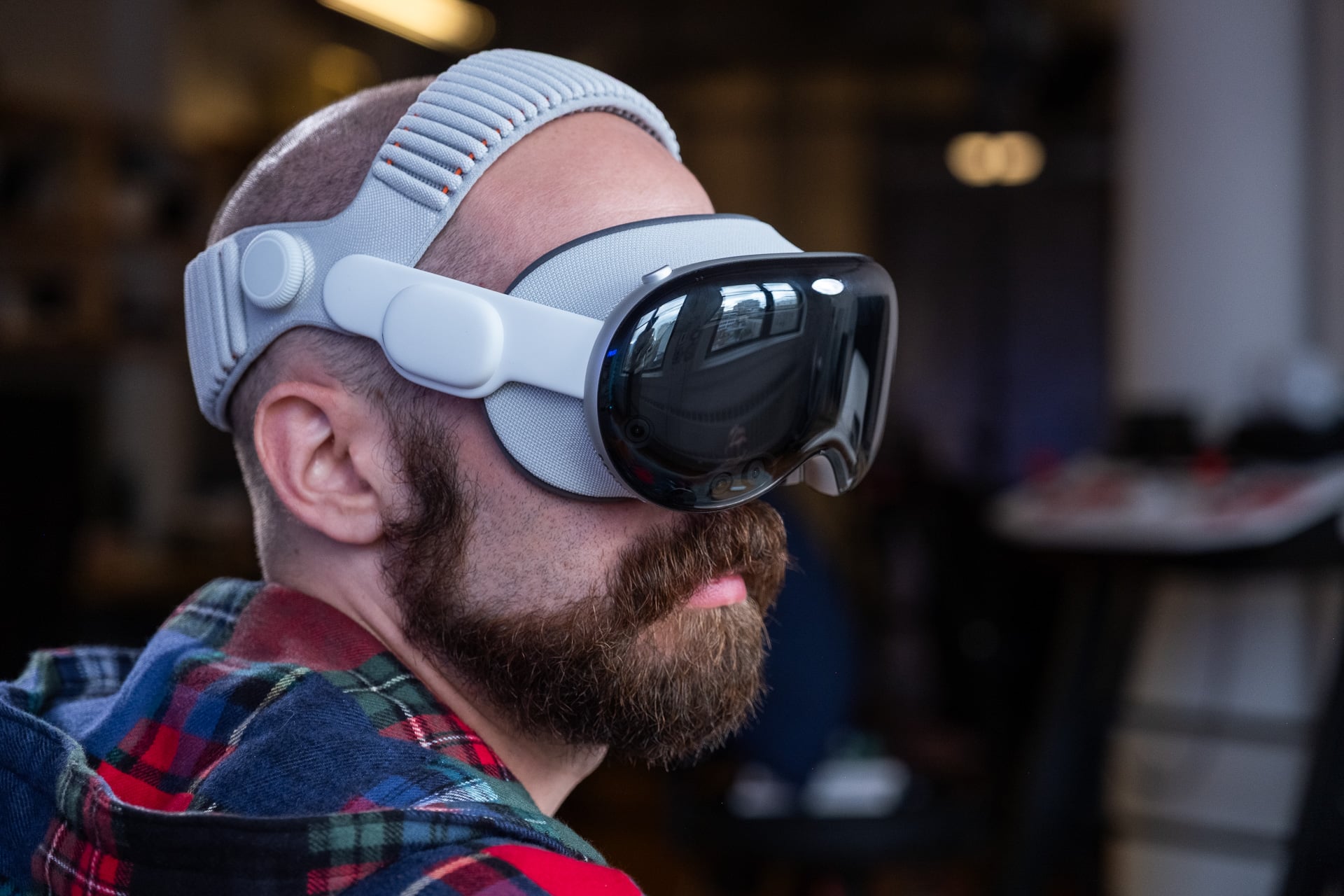
The thing is, there’s a chance that VR was never really meant to be such a massive category. As great as the experience can be, these aren’t devices that most people want to use all the time, and any company pitching one that way (looking at you, Apple Vision Pro) hasn’t really gained much traction. What if—and hear me out—VR wasn’t meant to go mainstream? Maybe it’s just a niche thing, and that’s okay?
I’m not delusional; I won’t sit here and tell you that Pimax, Lynx, or even Valve are going to crack the code and sell devices in the millions. But I also won’t sit here and tell you just because they’re likely not going to sell millions of units, that VR is dead. Meta might be pulling back, but the path that it forged for VR isn’t quite closed yet, just maybe a little bit more narrow than we’re used to. As much as I’m guilty of forgetting to use my Quest headset, the experiences I’ve had in it can be compelling, and for some people, they can even be sticky.
I’m not normally an optimist, but if there’s one thing that VR hardware lately has instilled in me, it’s that VR might still have some legs, and if the wonky avatars in Horizon Worlds are any indication, Meta doesn’t have the best history with legs in VR.
Read the full article here