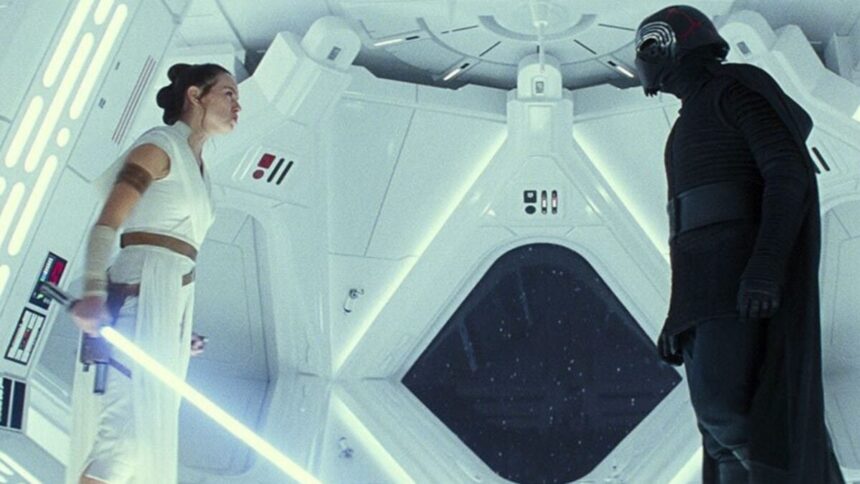
This year, after a nearly seven-year hiatus, Star Wars returns to the big screen. It’s the third-largest window ever between live-action films in the franchise, with the two longer ones being the 16 years between Return of the Jedi and The Phantom Menace and the 10 years between Revenge of the Sith and The Force Awakens. However, this latest wait feels wildly different, and it made us wonder, is there a correct, tried-and-true amount of time that should pass between Star Wars movies?
To put the current seven-year wait in context, we must look to the past. The reason those two longer windows were so long is that, in both cases, Star Wars was basically over. After Jedi, and again after Sith, George Lucas all but closed the book on the story. This time, though, that wasn’t the case.
In 2019, The Rise of Skywalker may have been the end of “The Skywalker Saga,” but no one considered it the end of Star Wars. Everyone knew it was coming back. It was just a question of when. So even though seven years is shorter than 16 and 10, it somehow carries more weight. Between Jedi and Phantom, as well as Sith and Force Awakens, people surely continued to talk about Star Wars, but it was more aspirational and hypothetical than anything else.
Part of that is because it’s what fans had become used to. During the times of both the original and prequel trilogies, waiting and debating Star Wars movies was the name of the game. Three years passed between the first, second, and third films of each trilogy, giving the filmmakers time to make the movies and fans to wildly obsess over them. That got taken up another level in the years leading up to The Phantom Menace, especially with the advent of the internet. And yet, Lucasfilm still waited three years between each movie even then, which let audiences sit with one film as they anxiously awaited the other.
The anticipation surrounding Star Wars was arguably the best part of Star Wars. Then Disney came on board.
Starting with the release of 2015’s The Force Awakens, fans got five Star Wars films in five years. And, while most of them had a full year in between, in the case of Solo, it was a mere six months. Two new Star Wars movies six months apart. It’s still unfathomable. And that time crunch took a lot of the fun out of it. Rumors, trailers, magazine features, all of it was so condensed and homogenized that it lost its luster. It was so much Star Wars so fast that excitement, understandably and inevitably, began to wane. So, by the time The Rise of Skywalker came out, we were a little burned out. That the movie failed to meet expectations didn’t help either.
Of course, that was just the beginning. After The Rise of Skywalker, Star Wars didn’t stop. It pivoted to a whole new medium. Beginning with the late 2019 release of The Mandalorian, Star Wars became a streaming franchise. Now, in addition to not having to wait too long, we didn’t even have to leave our house. No lining up. No advanced tickets. No communal experience at all. Just new Star Wars, every few months, in a bubble. And it was a lot of Star Wars.
Between 2019 and today, Lucasfilm released seven live-action shows, with 10 seasons between them, as well as six animated shows with about 18 seasons between them. (And that’s not even counting new episodes of The Clone Wars.) New Star Wars had become as regular as breathing, and, with that, some of the magic has gone away.
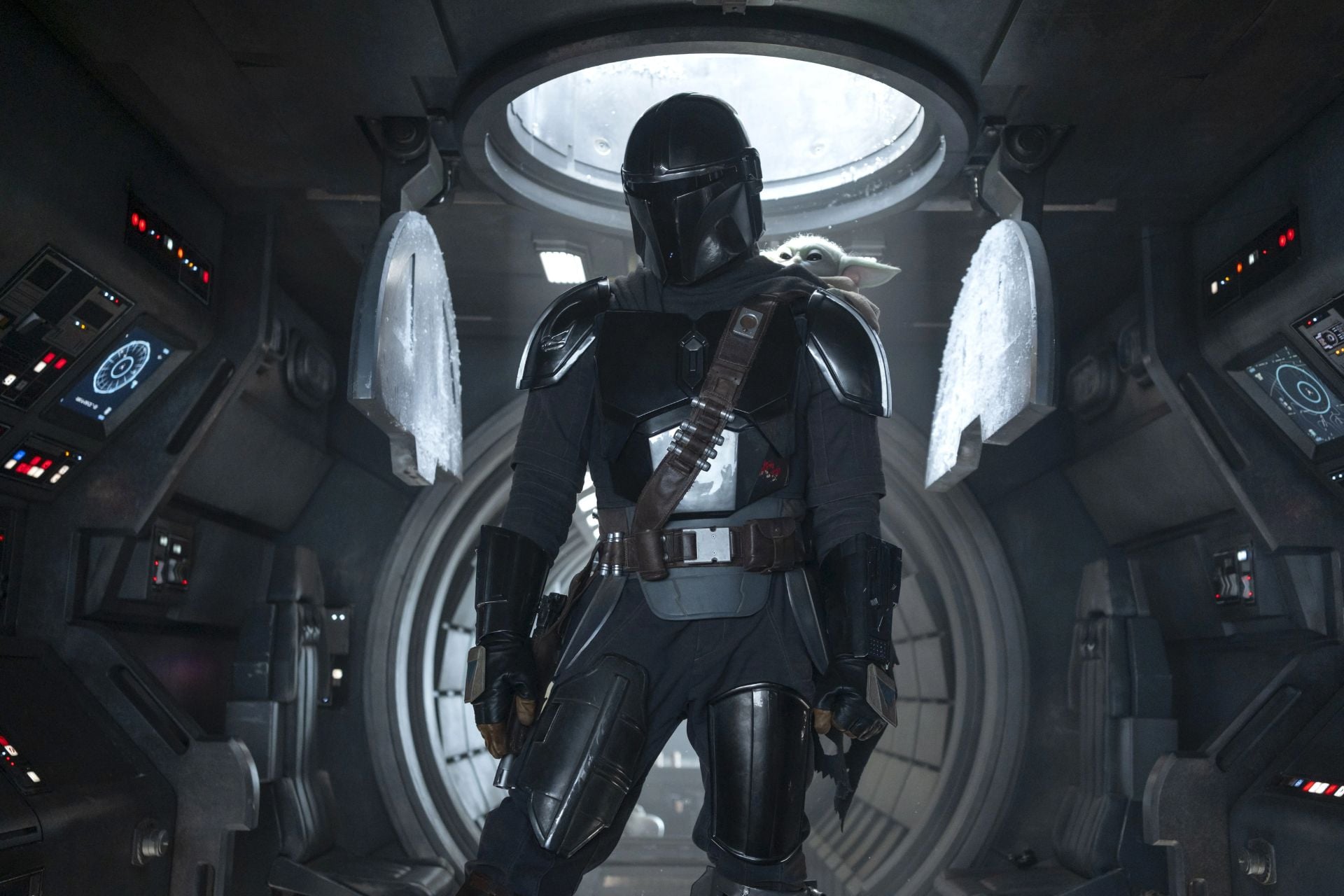
Which brings us to this year. In May, The Mandalorian and Grogu will become the first Star Wars movie released since 2019. Then, next year, it’ll be followed up by Star Wars: Starfighter. We can all agree that seven years is too long for what is essentially just another random chapter to the story. But we can probably also agree that after seven years, suddenly getting two seemingly unrelated, standalone films in back-to-back years is falling back into that dangerous old pattern. Maybe these two films, especially if they’re good, will make it work this time. Maybe seven years of waiting gives them success like The Force Awakens and Rogue One. But maybe it doesn’t.
And, with new leadership now in control of Lucasfilm, the franchise is reportedly pivoting back to being a primarily theatrical experience. We would be very surprised if a movie a year doesn’t once again become the norm. It would almost have to, especially with nearly a dozen movies in various stages of development.
So what’s the magic number? Is there a magic number? Well, three years seemed perfect, but we don’t think that’s happening again. One year, on the other hand, is probably too often. Can Disney and Lucasfilm really afford to wait two years between Star Wars movies? Probably not. But, we think, it would be a good thing in the long run.
Want more io9 news? Check out when to expect the latest Marvel, Star Wars, and Star Trek releases, what’s next for the DC Universe on film and TV, and everything you need to know about the future of Doctor Who.
Read the full article here