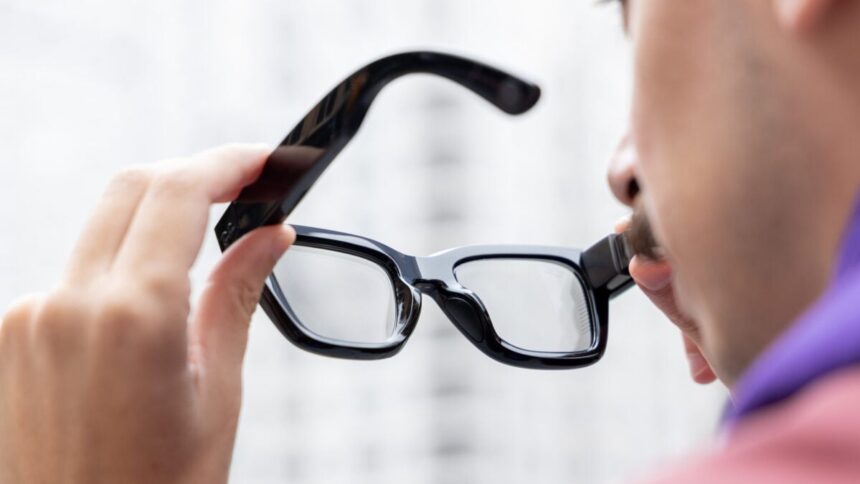
Members of the U.S. Senate aren’t the only ones who want to know what’s going on with Meta’s reported plans to add facial recognition to its Ray-Ban smart glasses. This week, more than 60 civil society organizations in the U.S. signed a letter addressing Meta, its partner EssilorLuxottica (the maker of Ray-Bans), as well as the White House, the Federal Trade Commission, and the Department of Justice.
Their concerns over the potential plan to add facial recognition sound familiar, though it’s more strongly worded and specific than prior inquiries. Here’s an excerpt from the joint letter:
Integrating facial recognition into Meta glasses is a dangerous and reckless plan that will harm both users and the entire public, regardless of whether they use Meta products, whether they consent, whether they are a public figure or layperson, and whether they even know about it. This move will endanger us all, and particularly give ammunition to scammers, blackmailers, stalkers, child abusers, and authoritarian regimes. It would also create acute and unnecessary national security risks.
This isn’t the first call for Meta to elaborate on potential plans to add facial recognition to its Ray-Ban smart glasses. Last month, U.S. Senators also sent a letter to Meta calling on CEO Mark Zuckerberg to fill the public and officials in on whether those plans actually exist and whether the company has actually considered the risks to public privacy and safety. For the record, Meta hasn’t actually confirmed that it’s working on adding facial recognition to its smart glasses, but the plans were reported by the New York Times in February.
Per the New York Times report, Meta told its employees that it plans to introduce facial recognition “during a dynamic political environment where many civil society groups that we would expect to attack us would have their resources focused on other concerns.” I think I speak for most everyone when I say, “yuck.”
Needless to say, the temperature is rising on Meta and its handling of privacy around smart glasses. Reports that it’s been using sensitive videos from Ray-Ban users to train AI—some of which contained nudity, credit card information, and other private moments—aren’t helping matters, either. Those videos, by the way, were reviewed by human contractors.
Despite all of that, Meta has been silent on the issue of privacy—though if calls like this continue to crop up, I’m not sure that its silence can last for much longer. And let’s be honest: would it really be that surprising to see Zuckerberg dragged in front of regulators to answer for the company’s dubious business practices once again?
Read the full article here