The Australian government is looking to spearhead yet another landmark social media regulation.
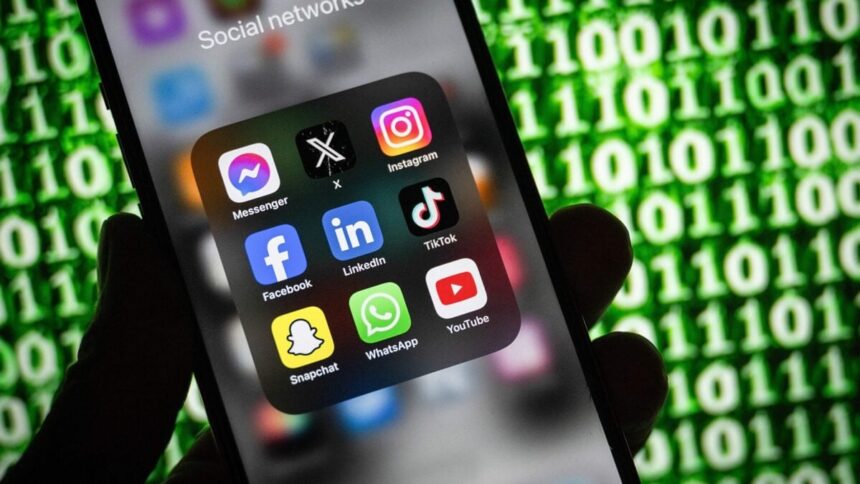
The Australian government is proposing to give social media users the option to switch off the default algorithmic feed, Australian Prime Minister Anthony Albanese announced on Tuesday. Under the draft legislation, “Digital Duty of Care”, users could opt to see only posts from the people they follow on platforms like Instagram or TikTok, instead of what the algorithm curates for them personally. If the measure passes, platform operators will have to send a notification to all users informing them of the option or face fines of up to $109.2 million Australian dollars, roughly equal to $79 million US.
“This is sensible, pragmatic, practical reform,” Albanese told reporters, according to a Reuters report. “It gives users choice and it will hold the big tech companies responsible for inaction if they don’t follow our laws.”
The law would only apply to users over the age of 16, as younger users are already subject to Australia’s landmark social media ban.
Back in December, Australia began enacting a first-of-its-kind social media ban for users under 16, basing it on years of studies that showed a link between increased social media use at a young age and worsened mental health outcomes like anxiety and depression.
In the 10 months since, numerous governments, including the United Kingdom, followed in the Australian government’s example with teen social media bans modeled after the Australian ban, even though the original ban’s efficiency has shown mixed results.
In the United States, that global regulatory movement translated to legal action, as platform operators like Meta continue to face thousands of teen social media addiction trials. At the crux of these trials are addictive design features, such as infinite scrolling or autoplay, which plaintiffs claim platforms deliberately put in place.
Australia’s announcement broadens the focus away from the specific design features and their impact on young users to the underlying algorithms that are running the operation, and how this algorithm-driven hyperpersonalization affects users across age groups.
Social media platforms began as platforms driven by very simple algorithms that presented a reverse chronological feed of content posted by the people users actively chose to follow. But they have quickly evolved into hyperpersonalized algorithm-curated feeds of posts from all corners of the platform, because the platform operators found this new model to be a better profit driver. These more advanced algorithms, which are increasingly becoming more AI-driven across platforms, keep users glued to the feed for longer.
In the never-ending hunt for increasing user engagement, many have accused social media algorithms of favoring polarizing, extreme, and often harmful content and rhetoric. Studies have shown that this algorithmic curation’s impact on users is rarely contained to the digital space, with algorithmically polarized users exhibiting skewed and often extremitized political beliefs.
Considering that Australia’s teen social media ban quickly became a blueprint sparking similar regulation worldwide, it wouldn’t be a far-fetched assumption to say this law, if it passes, could have a similar impact.
The European Union already enforces some restrictions on hyperpersonalized feeds by requiring platforms to offer users at least one recommendation-based feed option that does not rely on user profiling. Several social media platforms also already offer a similar option to users. Platforms like Instagram, TikTok, Facebook and X have separate tabs that users could switch to view feeds populated only by posts from the people they follow instead of the default algorithmically selected feed.
Read the full article here