
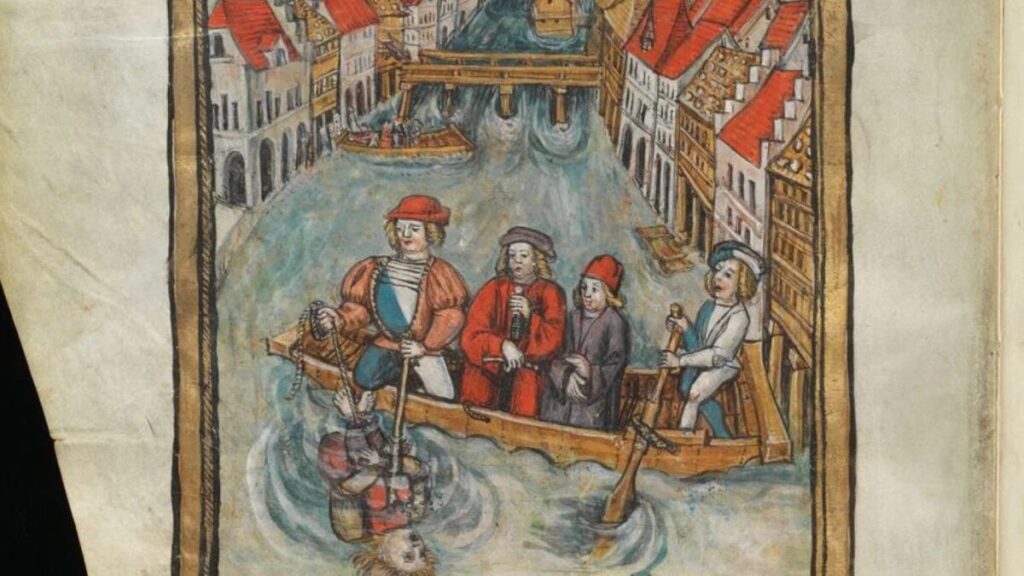
St. Mary Magdalene’s flood of 1342 was among the most catastrophic natural disasters in Medieval Europe. New research sheds further light on why the flood was so damaging—namely, because it followed a succession of floods over a couple of years.
In a Nature paper published yesterday, researchers present a highly detailed record of the flood, as well as the socioeconomic impact that the event had on Medieval European society. They learned that the Magdelena Flood was a part of 16 major flood events across Europe between 1341 and 1343. The continued flooding worsened the cumulative damage inflicted upon humans, buildings, and the natural…
Read the full article at GIZMODO.COM