

In Akira Kurosawa’s 1952 masterpiece, Ikiru, a lifelong bureaucrat in Tokyo’s Public Works Department is forced to reckon with the life he’s led and the legacy he’ll leave behind after a surprise cancer diagnosis reveals he has less than a year to live. It’s while the protagonist grapples with his impending death that he truly begins to savor living in ways he never had before. Inspired and reinvigorated, the man dedicates his final months of work and life to cutting through the red tape that had been hindering a group of concerned parents who wanted to drain the toxic cesspool their kids were forced to play in and build them a proper public playground in its place. With a BAFTA-winning performance by Takashi Shimura in the lead and a bittersweet-yet-hopeful message about what we leave to our children, it’s no wonder why Ikiru is consistently cited as one of the greatest films of all time.
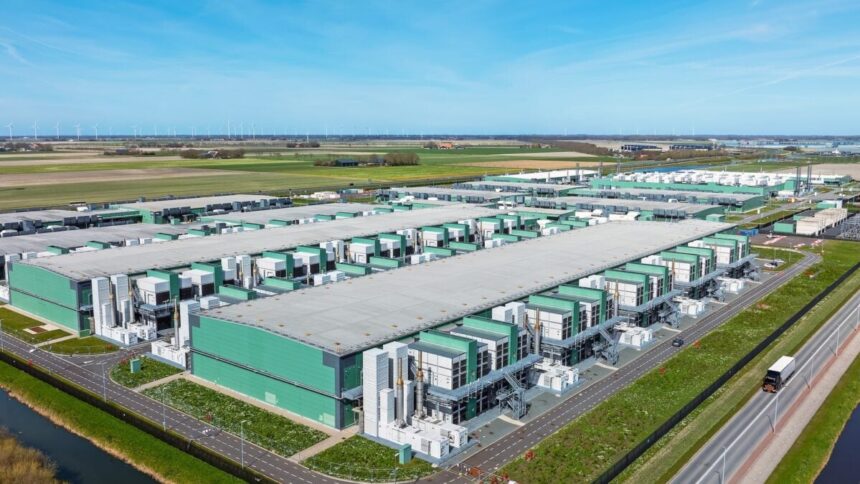
In what can only be described as a “reverse Ikiru,” a plot of land that had been deeded to a city with the stipulation it be turned into a public park is on track to be turned into an environment-destroying blight on the landscape after being sold to a data center developer.
As reported by 404 Media, the City of Taylor, Texas, paid a paltry $10 in 1999 to accept a donation of almost 88 acres from the Bland family farm. According to documents reviewed by 404, the conditional language in the original deed granted the land to the “Texas Parks and Recreation Foundation, a Texas non-profit corporation, to be held in trust for future use as parkland by Williamson County, Texas.”
But in the years since, ownership of the property kept changing hands. Texas Parks and Recreation Foundation granted it over to a different non-profit called the Williamson County Park Foundation in 2003 before they gave it to the City of Taylor outright a month later. So far, so good. But in 2008, the city sold the land for $15,000 to the Taylor Economic Development Corporation (TEDC). It sat unused until last year, when the TEDC sold the plot to the company currently developing the data center, Blueprint, for a cool $10 million.
When news of the sale broke, locals were initially concerned for the usual reasons one might have when learning that a 135,000-square-foot facility—the sort now known to wreak havoc on small towns—is being built next door without their approval or input. But thanks to the sharp memory of Pamela Griffin, a City of Taylor resident who grew up playing in a lot next to the contested land, data center opponents were clued in to the deed’s park clause and the legal leverage that might afford their fight.
Griffin recounted a childhood memory of a conversation between her father and Mr. Bland to 404. “I’m thinking about giving this land for parkland because these kids need somewhere to play,” she recalled Bland saying.
When activists knocked on Griffin’s door last year and alerted her to Blueprint’s plans to erect the data center in her town with a population of just 16,267, she brought the park stipulation to their attention. Following that lead and sifting through public records, the center’s opposition found documents that corroborated Griffin’s memory and revealed the land’s curious ownership history.
The City of Taylor offers only a few sentences of vague assurances on its website to “address concerns” of those worried about the air, noise, light, and other potentially harmful emissions the proposed center might put out. They also say it’s pretty much a done deal and, even if they wanted to, there’s no reversing course on this project. “Can the City just say no to data centers?” asks one FAQ question. “In short, no.”
The city’s executive director of community services, Daniel Seguin told 404 that Blueprint can just use the property for the center without city approval “because the property’s existing Employment Center zoning already allowed such a use.” He also claimed that the center would bring $30 million in tax revenue to the city over the next decade.
Griffin doesn’t buy this argument. She feels that, regardless of the changing of hands that occurred, the deed is pretty clear about what can be built on that land.
“I keep trying to tell everybody,” Griffin explained “if they start messing with deeds in Texas? Allowing deeds to be not upheld? What’s going to happen to all of us?”
It’s clear that Big Tech trying to circumvent a property deed in her state is nothing short of an existential fight for Griffin—one she’s willing to take up. She and her family have hired an attorney to fight the data center’s construction and give the land back to the community. Blueprint filed a motion to dismiss their initial suit, which the judge allowed. When Griffin’s lawyer asked for an injunction to stop further construction for the time it will take their case to make its way through the Third Court of Appeals in Austin, the judge denied it.
As Mr. Bland’s original benevolent wish for his land shows, life has the capacity to imitate the best of humanity exemplified in art. Unfortunately, our world is currently being shaped by people who seem outright hostile to both the arts and anything that would benefit the public over a shareholder. The art in Bland’s original vision has been stolen, chewed up, and regurgitated as AI slop.
Perhaps if the people who okayed this outrageous data center deal and those in the city council and TEDC who seem uninterested in listening to residents or halting the center’s unjust construction would be making more humanitarian decisions if only someone had sat them down to watch the public-serving example set in Kurosawa’s classic. Even for those lacking the cognitive horsepower necessary to follow an old black-and-white movie with subtitles, it might not be too late to have a change of heart and do the right thing. Living, Ikiru’s 2022 English remake starring Bill Nighy, is rentable right now on most streaming platforms.
Read the full article here